Iran War Resilience Revealed: 5 Key Realities Behind Ongoing Conflict
Despite weeks of intense bombardment by the United States and Israel, the Iran war resilience narrative is becoming increasingly clear: Iran remains far from defeated. While political leaders have claimed major victories, data and battlefield developments suggest a far more complex and prolonged conflict.
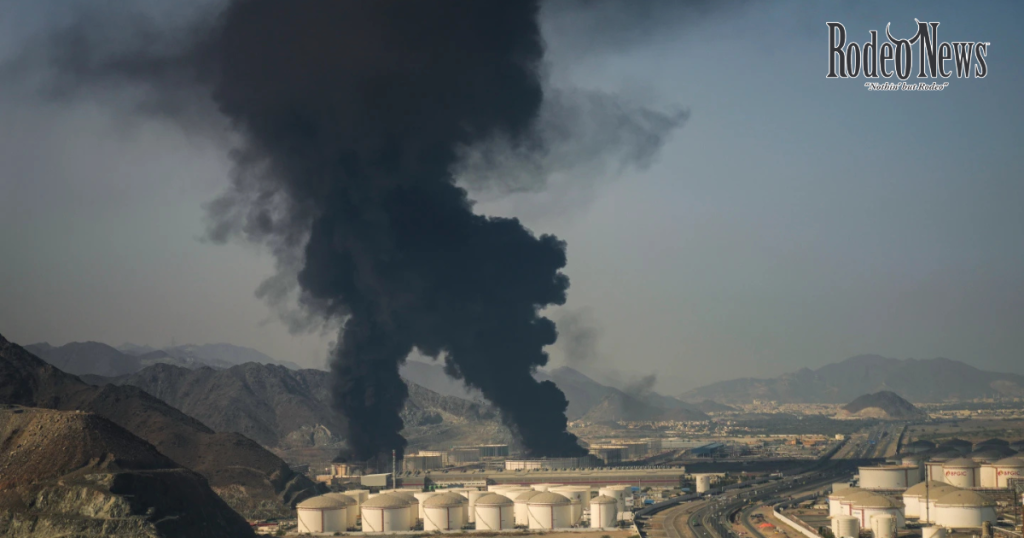
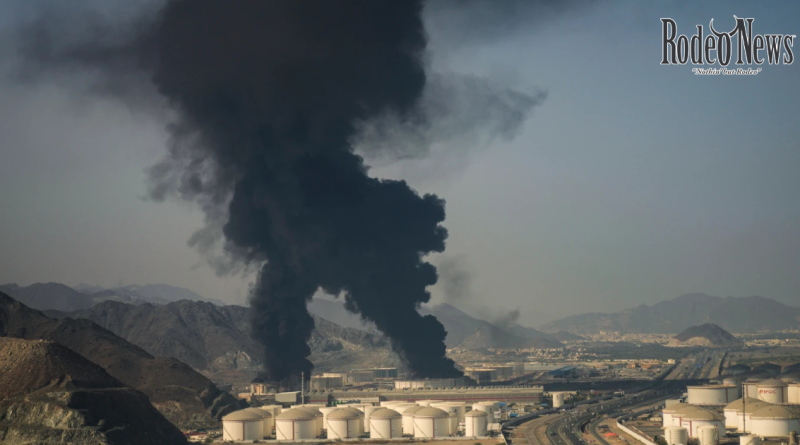
The war, which began in late February 2026 following coordinated US-Israeli strikes on Iranian military and nuclear targets, has evolved into a drawn-out confrontation with global consequences. Read the original AP News report
Below are five critical realities shaping the conflict today.
1. Iran’s Attacks Have Slowed — But Not Stopped
At first glance, it may appear that Iran’s offensive capabilities are weakening. Early in the war, Tehran launched nearly 100 missile and drone strikes in a single day. However, that number quickly dropped to around 50 and has since stabilized at roughly 30 strikes daily.
This decline has been highlighted by US officials as evidence of success. Defense leaders noted that recent activity represents the “lowest number” of attacks since the conflict began.
However, analysts caution against interpreting this as a sign of collapse. Instead, the pattern suggests a deliberate recalibration.
Iran is still launching consistent attacks across the region, targeting Israel and US allies in the Gulf. These include both missile strikes and increasingly sophisticated drone operations.
2. Strategy Over Weakness: Iran May Be Rationing Its Firepower
One of the most important aspects of Iran war resilience is strategic adaptation.
Experts believe Iran may not be running out of weapons — but instead conserving them. By pacing its attacks, Tehran can sustain long-term pressure while avoiding rapid depletion of its arsenal.
Conflict tracking data supports this theory. The steady rate of attacks over several weeks indicates controlled usage rather than forced limitation.
This approach aligns with Iran’s broader military doctrine, which emphasizes endurance and asymmetrical warfare. Rather than overwhelming force, Iran appears focused on prolonging the conflict and increasing costs for its adversaries.
3. Drones Are Changing the Battlefield
A major driver of Iran war resilience is its evolving use of drone technology.
Unlike traditional missiles, many of Iran’s drones fly at low altitudes, making them harder to detect and intercept. This has placed significant strain on US and Israeli defense systems.
According to reports, a notable portion of these attacks are successfully penetrating defenses, allowing Iran to strike strategic infrastructure.
These targets include:
- Energy facilities
- Oil pipelines
- Water desalination plants
- Military installations
The shift toward drones reflects a broader tactical evolution. Iran is leveraging cost-effective, difficult-to-counter systems to maintain pressure while minimizing its own losses.
4. The Global Economy Is Feeling the Impact
The consequences of Iran war resilience extend far beyond the battlefield.
One of the most significant developments is Iran’s influence over the Strait of Hormuz — a critical global oil route. Disruptions in this area have led to a dramatic drop in shipping traffic and a sharp increase in oil prices.
Recent reports indicate:
- Oil prices surged by around 50%
- Shipping traffic through the strait dropped dramatically
- Global supply chains are under strain
This has triggered ripple effects across the global economy, including rising fuel costs, increased food prices, and market instability.
For many countries, the economic impact may prove as significant as the military conflict itself.
5. Claims of Victory Clash With Reality
Political messaging has become a major point of contention in the war.
US leadership has repeatedly stated that Iran’s military capabilities have been severely degraded or even “decimated.”
However, ongoing attacks tell a different story.
Iran continues to:
- Launch daily strikes
- Maintain regional influence
- Disrupt global energy markets
This disconnect has fueled skepticism both domestically and internationally. Critics argue that the situation on the ground does not match official claims of success.
Meanwhile, the absence of a clear endgame strategy has raised concerns about how — or when — the conflict might conclude.
A War of Endurance, Not Speed
The Iran conflict is increasingly defined by endurance rather than rapid victory.
From the outset, the US and Israel aimed to cripple Iran’s military infrastructure and halt its nuclear ambitions. While significant damage has been inflicted — including strikes on missile sites and military facilities — Iran has demonstrated a capacity to adapt and persist.
This resilience is rooted in several factors:
- A decentralized military structure
- Extensive underground facilities
- Experience with sanctions and long-term pressure
- A doctrine centered on asymmetric warfare
These elements make Iran a uniquely challenging adversary.
Rising Risks of Escalation
As the conflict continues, the risk of escalation remains high.
Iran has already expanded its attacks beyond Israel, targeting US assets and allies across the region. Meanwhile, the US has signaled a willingness to continue — and potentially intensify — its military campaign.
There are also concerns about:
- Further disruptions to global energy supplies
- Increased civilian casualties
- Broader regional instability
Diplomatic efforts have so far failed to produce a breakthrough, leaving military action as the dominant force shaping events.
What Comes Next?
The future of the conflict remains uncertain.
Some analysts believe Iran’s strategy is aimed at forcing negotiations by increasing economic and political pressure. Others warn that prolonged fighting could lead to unintended escalation, drawing more countries into the conflict.
What is clear, however, is that Iran war resilience has reshaped expectations.
Rather than a quick resolution, the world may be facing a prolonged and unpredictable confrontation.
Conclusion
The Iran war resilience story is not one of immediate victory or defeat, but of adaptation, endurance, and strategic complexity.
Despite sustained US-Israeli attacks, Iran continues to operate effectively — launching strikes, disrupting global markets, and maintaining its position in the region.
As the conflict evolves, one thing is certain: this war is far from over.