COVID-19 Rise: 5 Symptoms to Watch Now
The COVID-19 rise is becoming increasingly noticeable across the United States, with federal data showing infections growing or likely growing in most states. The latest U.S. Centers for Disease Control and Prevention estimates indicate that COVID-19 infections were growing or likely growing in 48 states as of Aug. 26, while two states showed no clear change and none were classified as declining.
The increase comes as the country moves from summer into the fall respiratory-virus season. Although current data does not indicate a return to the emergency conditions seen during the height of the pandemic, the broad geographic spread means people may encounter the virus more frequently in coming weeks.
For many people, COVID-19 symptoms can still look similar to those caused by influenza, respiratory syncytial virus (RSV), a common cold or other respiratory infections. That makes it important to recognize the warning signs and understand when testing or medical care may be appropriate.
COVID-19 Rise Is Being Seen Across the U.S.
The latest CDC epidemic-trend estimates provide one of the clearest indications that COVID-19 transmission is increasing again.
As of Aug. 26, the CDC estimated that infections were growing or likely growing in 48 states.
Other surveillance systems are also showing increased viral activity.
Wastewater monitoring has become particularly useful because it can detect traces of SARS-CoV-2 even when people do not seek medical care or report their infections. Recent national data cited by health researchers showed SARS-CoV-2 concentrations increasing substantially in August compared with July, although levels remained below those recorded during the same period a year earlier.
The pattern is also visible in individual states.
In Texas, for example, CDC data showed COVID-19 infections growing or likely growing, while wastewater surveillance in parts of Harris County reached high or very high levels.
The important distinction is that rising infections do not automatically mean rising severe disease. The CDC notes that epidemic-trend estimates indicate the direction of transmission rather than the overall burden of illness.
5 COVID-19 Symptoms to Watch
One of the biggest challenges during a COVID-19 rise is determining whether new symptoms are caused by coronavirus or another respiratory infection.
There is no single symptom that can reliably identify COVID-19. However, several symptoms remain commonly associated with infection.
1. Cough
A persistent cough remains one of the symptoms people should watch for.
It may be dry or accompanied by mucus. A cough can also occur with influenza, RSV, allergies and other respiratory illnesses, so it cannot confirm COVID-19 by itself.
If a cough develops alongside fatigue, sore throat, congestion or fever, testing may help determine whether COVID-19 is involved.
2. Sore Throat
A sore or irritated throat can be an early symptom of COVID-19.
Because sore throats are common during colds and other viral infections, many people may initially assume they have a routine seasonal illness.
However, during the current COVID-19 rise, a sudden sore throat accompanied by other respiratory symptoms deserves attention, particularly after close contact with someone who has been sick.
3. Congestion or Runny Nose
Nasal congestion and a runny nose can also occur with COVID-19.
These symptoms can make the virus difficult to distinguish from an ordinary cold. People may experience a blocked nose, sneezing or a feeling of pressure in the sinuses.
Testing becomes particularly useful when congestion occurs with other COVID-19 symptoms or after a known exposure.
4. Fatigue and Headache
Fatigue is another symptom that can accompany COVID-19.
Some people may feel unusually tired even when their respiratory symptoms are relatively mild. Headaches can also occur.
Because tiredness and headaches have many possible causes, including poor sleep, dehydration, stress and other infections, they should be considered alongside the full group of symptoms rather than treated as proof of COVID-19.
5. Fever, Chills or Shortness of Breath
Fever and chills can occur during COVID-19 infection. Shortness of breath is also a recognized symptom and deserves more attention than many of the milder signs.
A person who is struggling to breathe, experiencing persistent chest pain or pressure, or developing severe or rapidly worsening symptoms should seek urgent medical attention.
Recent reporting on the current summer rise lists symptoms including cough, sore throat, congestion, fatigue, fever, chills, headache, shortness of breath and gastrointestinal problems.
Some COVID-19 Symptoms Can Be Easy to Miss
The current COVID-19 rise does not necessarily produce the dramatic symptoms associated with early waves of the pandemic.
For some people, infection can resemble a mild cold.
That means someone may continue working, attending school or socializing without realizing they have COVID-19. Others may experience more noticeable symptoms and recover at home.
Gastrointestinal symptoms can also occur, including nausea or diarrhea. These symptoms are not unique to COVID-19, but they can appear as part of an infection.
This is one reason health experts continue to emphasize testing and staying home when sick rather than trying to diagnose an infection based on symptoms alone.
Why COVID-19 Is Rising Again
COVID-19 has never followed exactly the same seasonal pattern as influenza.
While flu activity typically becomes more prominent during colder months, coronavirus transmission can increase during summer as well as winter.
Several factors can contribute to a summer or late-summer increase.
Travel can bring people from different communities into closer contact. Schools reopening can increase interactions among children, teenagers, teachers and families. More indoor gatherings can also provide opportunities for respiratory viruses to spread.
The latest increase is occurring as the country prepares for the broader fall and winter respiratory-virus season. Recent wastewater surveillance indicates that viral concentrations have risen sharply in several areas.
What the COVID-19 Rise Means for High-Risk People
The increase is particularly important for people more vulnerable to severe COVID-19.
Older adults, people with certain chronic medical conditions and others at elevated risk may face greater consequences from infection than healthy younger adults.
That does not mean everyone needs to return to pandemic-era restrictions.
Instead, individuals can consider practical measures based on their personal risk and the amount of virus circulating in their community.
These can include staying up to date with recommended vaccinations, improving ventilation, avoiding close contact with people who are actively sick and considering a well-fitting mask in crowded indoor environments.
A Stanford infectious-disease specialist recently cited wastewater trends as evidence that the current increase could continue for several weeks and recommended vaccination and high-quality masking for people seeking additional protection.
Updated COVID Vaccines Are Arriving
The current rise is also occurring as updated COVID-19 vaccines for the 2026-27 season become available.
The Food and Drug Administration recently approved updated formulations designed to better match circulating virus strains.
Meanwhile, major U.S. medical organizations have issued updated recommendations for COVID-19, flu and RSV vaccination ahead of the fall and winter season. The groups emphasized vaccination for people at increased risk while acknowledging that federal recommendations have changed.
Anyone considering an updated COVID-19 vaccine should discuss eligibility and timing with a healthcare professional, particularly if they have medical conditions or other factors that could affect their risk.
What to Do If You Develop Symptoms
If symptoms appear, the first step is to avoid spreading the infection to others.
Current CDC respiratory-virus guidance emphasizes staying home and away from other people while respiratory symptoms are present. People can generally return to normal activities after their symptoms have been improving for at least 24 hours and they have been fever-free for 24 hours without using fever-reducing medication.
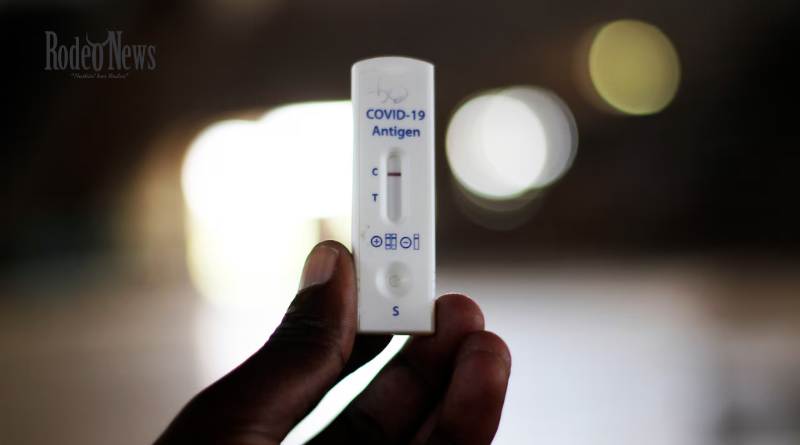
Testing can also help clarify whether COVID-19 is responsible.
A positive result can be especially important for people at higher risk because some treatments work best when started early.
If symptoms are severe or worsening, medical advice should be sought rather than relying solely on home monitoring.
When COVID-19 Symptoms Need Urgent Attention
Most respiratory infections do not require emergency treatment.
However, certain symptoms should not be ignored.
Seek urgent medical attention for serious breathing difficulties, persistent chest pain or pressure, significant confusion, severe weakness or other rapidly worsening symptoms.
People at higher risk should also contact their healthcare provider promptly if they develop symptoms that could represent COVID-19, because treatment decisions can depend on how long symptoms have been present and a person’s individual risk factors.
The Bigger Picture Behind the COVID-19 Rise
The current COVID-19 rise is a reminder that the virus remains part of the respiratory-virus landscape.
The numbers may look very different from those seen during the most severe periods of the pandemic. Hospital systems are not facing the same level of crisis, and many infections are relatively mild.
But widespread transmission still matters.
More infections mean more opportunities for vulnerable people to become infected and for healthcare systems to see additional COVID-19 patients. It also means people should not automatically dismiss respiratory symptoms as “just a cold.”
At the same time, the current data should be interpreted carefully.
CDC epidemic-trend estimates measure whether infections are moving upward or downward. They do not directly measure how severe each infection is or how many people are being hospitalized.
That distinction is important when evaluating headlines about COVID-19.
Bottom Line
The COVID-19 rise is now being detected across most of the United States, according to the latest CDC estimates. The increase is occurring as summer ends and Americans prepare for another fall respiratory-virus season.
For individuals, the most practical approach is awareness rather than alarm.
Watch for symptoms such as cough, sore throat, congestion, fatigue, headache, fever, chills and shortness of breath. Because those symptoms overlap with other respiratory illnesses, testing remains the most useful way to determine whether COVID-19 is responsible.
People who develop symptoms should take steps to avoid exposing others, while those at higher risk should consider contacting a healthcare professional early.
The latest numbers show that COVID-19 has not disappeared. Instead, the virus continues to evolve and circulate, making basic awareness and sensible precautions important as the country heads into fall.
External sources: CDC COVID-19 epidemic trends · Associated Press vaccine guidance report
Internal link suggestions: Link “COVID-19 symptoms” to your existing COVID-19 health guide; link “updated COVID vaccine” to your vaccination explainer; link “respiratory-virus season” to your seasonal illness coverage.