There’s Fire All Around Us: A Firsthand Account of Climate Breakdown in the Pantanal
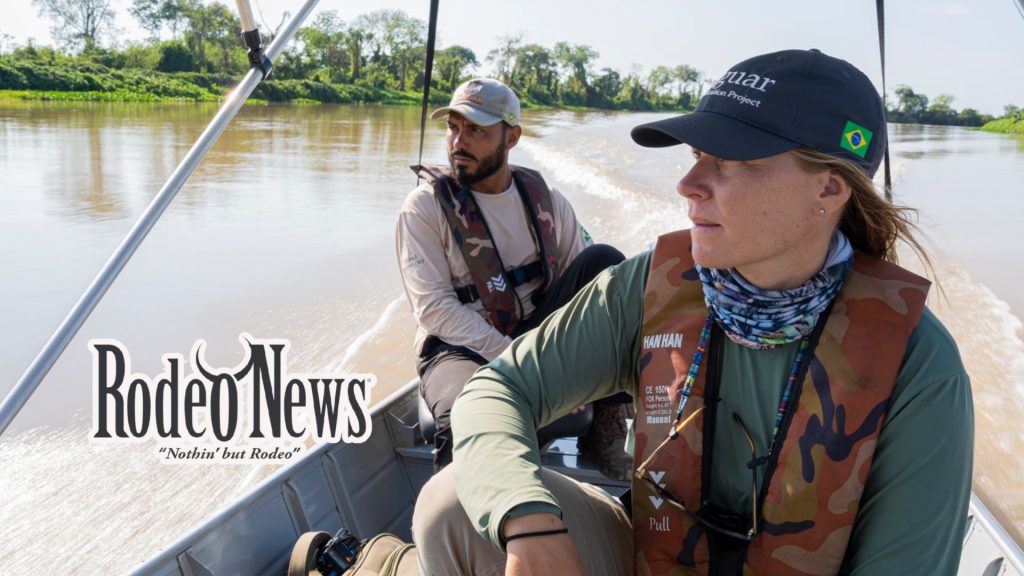
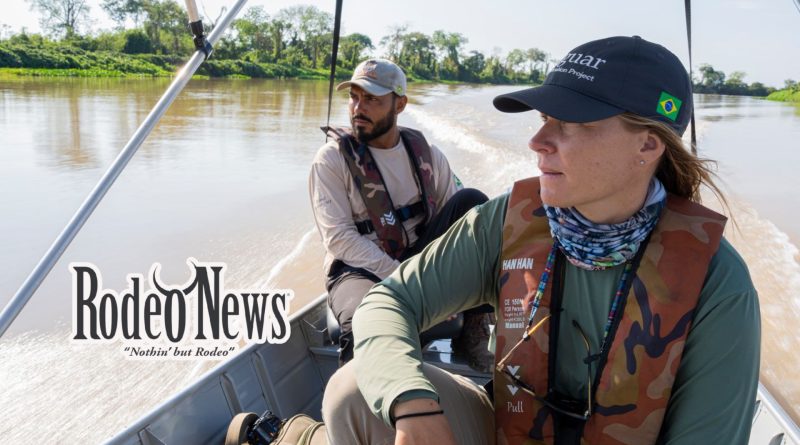
My name is Abbie Martin. My work has taken me from captaining a boat in the Caribbean to researching jaguars deep in Pantanal, Brazil — one of the planet’s largest tropical wetlands. What I never imagined was witnessing wildfire after wildfire swallowing our research stations, disrupting animal lives, and blazing a trail through what was once green and vibrant.
The Wet Season, Then the Drought
In the Pantanal, the wet season typically lasts from December through April. The water rises, the land is lush, the wildlife thrives. Then the dry season begins in June, the brown replaces the green, and everything gathers around the remaining water sources. I know this rhythm well: the trees carry a mark of where the water used to be, animals crowd the banks of rivers, every river becomes a highway of survival.
The Mega-Fire That Changed Everything
June 2020. A time when the world was locked down for a pandemic — but here, it was also the worst fire on record. We couldn’t even get to the reserve. My friend Duda sent videos of wildlife fleeing, of ash clouds that made the air impossible to breathe. A two-mile-wide NASA scan showed the scope: 25 miles (40 km) of flame. I suffered a panic attack in the hospital. The inferno burnt for four months. It hid in the roots, axed the firebreaks, jumped rivers like an unseen creature.
Survival in the Heart of the Blaze
We drove through ash windstorms; visibility dropped to ten metres. The fire wasn’t just around us. It was above, below, inside the land. We watched bulldozers carve firebreaks while a 12-year-old boy wielded rubber mats to beat back the flames. When the fire jumped tyres of the rescue truck, weknew this was it.
“There’s fire all around us. This was it. We’re going to explode. We’re going to die.”
The experience shifted something inside me.
Life After the Burn
In the aftermath the first rains came — and green returned almost overnight. But the scars stayed. Dead trees, altered water flow, animals gone. In a single burn zone you might taste soot in the air for months.
Yet hope persisted. One jaguar, Ousado, injured in 2020, had third-degree burns and was treated with stem cells. He was released after 38 days and still hunts today. Every cub born feels like a message: nature still fights.
What’s Driving the Inferno?
It isn’t just nature. Several factors converge:
- Natural cycles of drought and flood.
- Humanity’s footprint: the cattle industry clearing land, humans fumbling firefighting resources.
- And overarching it all: climate breakdown. The Pantanal is drying out, the rate of above-average fires is increasing.
The river is the last refuge. As long as the water flows, the jaguars, the capybaras, the entire ecosystem have a fighting chance. But if that river stops, the jungle fades.
What We Must Do
- Protect and restore the river systems — the lifeline of the wetlands.
- Support local communities and research teams who are on the front lines of fire and survival.
- Push global emissions down. Without climate action, the Wetlands become deserts, the fire seasons longer, the stakes higher.
- Witness. Share. Act. Because this isn’t a remote story. It’s our planet, our future