Alaska’s Coastal Villages Ravaged by Remnants of Typhoon Halong: Evacuations Underway
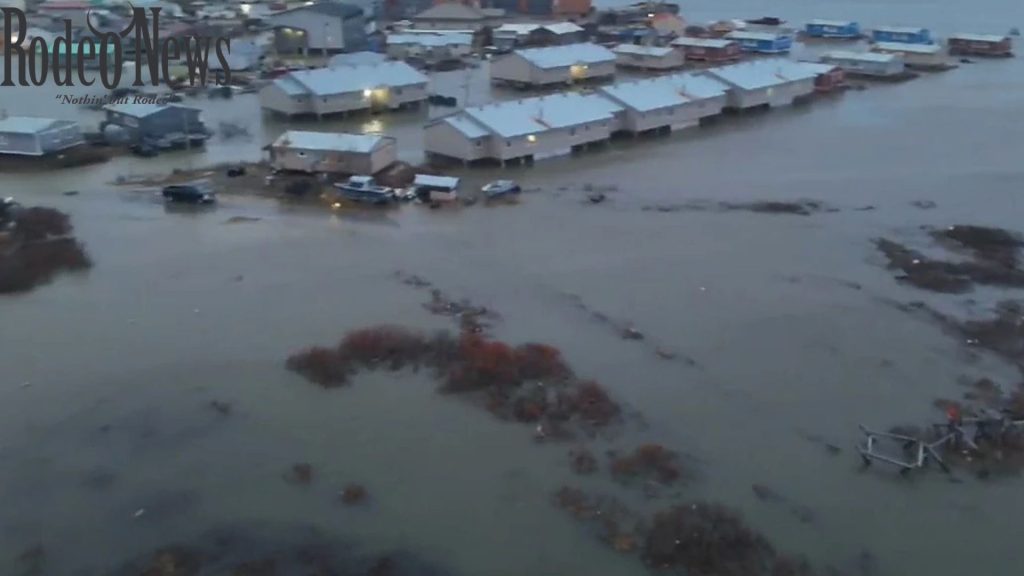
When the remnants of Typhoon Halong swept into western Alaska over the weekend, the damage was swift and severe. Small villages along the Yukon-Kuskokwim Delta were hardest hit — entire homes were ripped off foundations, road access vanished, and more than 1,300 people were forced to flee.
Disaster in Isolation
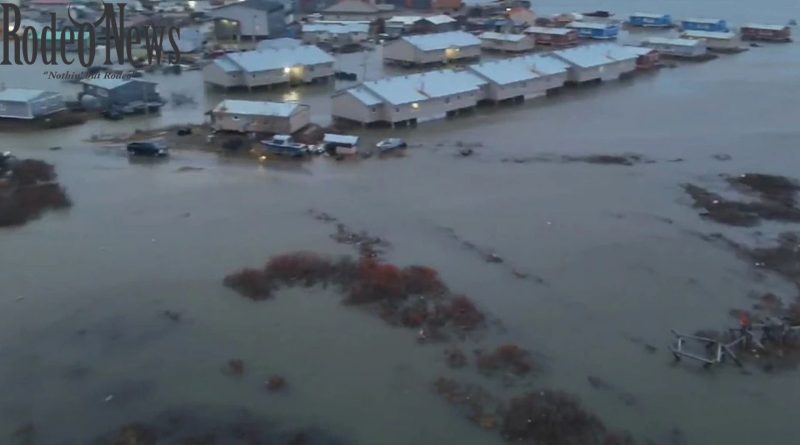
Communities like Kipnuk and Kwigillingok — reachable only by air or water — bore the storm’s brunt. High winds, storm surge, and flooding obliterated infrastructure. In Kwigillingok, every home was reported damaged, with about three dozen drifting from their foundations.
In Kipnuk, residents watched homes float away in the night. More than 20 houses reportedly drifted through rising waters. One resident described seeing a submerged house slide past her own, nearly roof-level in floodwaters.
Rescue Efforts and Displacements
The U.S. Coast Guard, Alaska National Guard, and state emergency teams coordinated rescues. Dozens were lifted from rooftops; others sheltered in damaged school buildings, some lacking working toilets.
As of the latest reports, at least one person has died, and two remain missing Over 50 people have been rescued so far.
Battle Against Time and Winter
With winter fast approaching, recovery plans are hamstrung by remoteness, failing infrastructure, and limited transport windows.
Bethel, the regional hub, has taken in evacuees, but capacity is strained. Some residents may be relocated further inland — to Fairbanks or Anchorage — pending shelter availability.
Fuel depots and freezers storing salmon, moose, and other subsistence supplies were damaged or destroyed. Officials warn that contamination from fuel leaks may threaten ecosystems critical to the communities’ survival.
Broader Impacts and Climate Context
Meteorologists note this event echoes Ex-Typhoon Merbok in 2022 — a rare storm reaching Alaska with destructive results.
Rick Thoman, a climate expert at the University of Alaska Fairbanks, cautions that while Alaska Native communities are resilient, no community can easily rebound when nearly every structure is uninhabitable as winter sets in.
What Lies Ahead
- Damage assessment is ongoing; many areas remain inaccessible by road.
- Emergency aid — food, water, generators, medical supplies — is being air-dropped where possible.
- Long-term recovery may require relocating entire villages or rebuilding with climate-resilient design.
- Federal and state funding will be critical, especially in bridging the logistical and seasonal constraints.
As Alaska’s remote communities reel from this blow, the coming weeks will test their resilience — and demand a sustained, coordinated response