Iran Missile Attack Revealed: 10 Strikes Escalate War
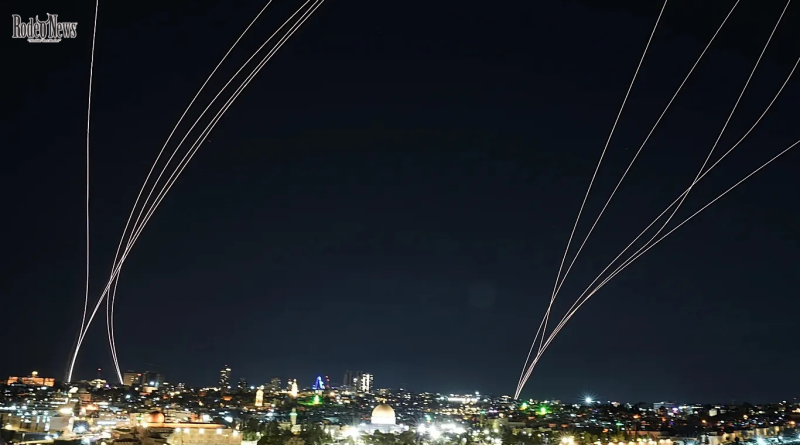
The latest Iran missile attack has sharply escalated tensions in the Middle East, signaling that the ongoing conflict is far from reaching a resolution. In one of the most intense barrages in recent weeks, Iran launched a coordinated wave of ballistic missiles targeting central Israel, raising fears of a broader regional war.
This development comes at a time when global leaders were cautiously hoping for de-escalation. However, the scale and precision of this Iran missile attack suggest a deliberate shift back toward confrontation.
A Sudden and Powerful Escalation
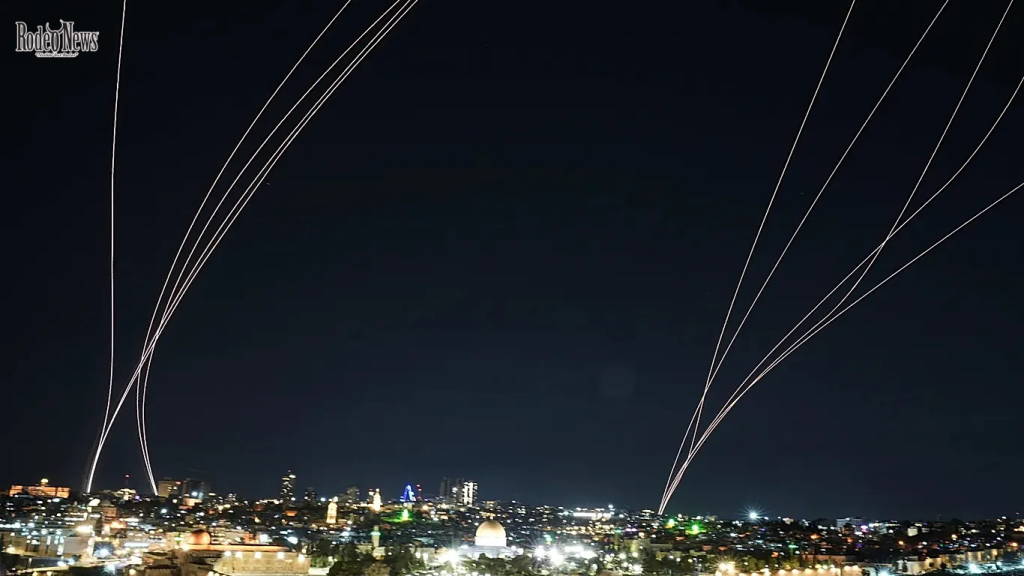
The recent Iran missile attack involved approximately 10 ballistic missiles, making it the largest strike in nearly three weeks. Air raid sirens echoed across Israeli cities, including areas near Tel Aviv, as defense systems scrambled to intercept incoming threats.
Although Israel’s advanced air defense systems successfully intercepted most of the missiles, the psychological and strategic impact of the attack was undeniable. The strike demonstrated that Iran retains significant offensive capabilities despite ongoing military pressure.
Moreover, the timing of the attack indicates a calculated move. Just as diplomatic discussions were gaining momentum, the escalation disrupted any immediate hopes for stability.
Israel’s Defense Systems Put to the Test
Israel responded swiftly by activating its multi-layered defense systems. These include advanced interception technologies designed to neutralize ballistic threats before they reach populated areas.
Despite their effectiveness, no system is flawless. Debris from intercepted missiles still posed risks, and emergency services were deployed across multiple locations. The Iran missile attack therefore tested not only military readiness but also civilian resilience.
Meanwhile, Israeli authorities maintained a high alert level, preparing for the possibility of additional waves of attacks.
Why the Iran Missile Attack Happened
The latest Iran missile attack is part of a broader pattern of retaliation. The conflict intensified following a series of strikes on Iranian military and nuclear facilities by U.S. and Israeli forces.
In response, Iran has adopted a strategy that combines missile launches, drone operations, and regional proxy involvement. This multi-layered approach allows Iran to maintain pressure without committing to a full-scale conventional war.
Furthermore, the attack serves as a message. It signals that Iran is not deterred and remains capable of responding forcefully despite sustained military pressure.
Strategic Implications of the Attack
This Iran missile attack carries several important implications for the region and beyond.
1. Iran’s Capabilities Remain Intact
Despite reports of significant damage to its infrastructure, Iran has proven it can still coordinate large-scale strikes.
2. The Conflict Is Far From Over
While some leaders have suggested that the war is nearing completion, this attack contradicts that narrative. Instead, it highlights ongoing volatility.
3. Risk of Wider War Increases
Each escalation raises the possibility of broader regional involvement. Neighboring countries and allied groups may become more directly engaged.
Global Reactions and Concerns
The international community is closely monitoring the situation. Governments across Europe and Asia have expressed concern over the renewed escalation triggered by the Iran missile attack.
Energy markets, in particular, are reacting to the instability. The Middle East plays a critical role in global oil supply, and any disruption can have immediate economic consequences.
In addition, diplomatic efforts are facing renewed challenges. While some countries are pushing for negotiations, others are preparing contingency plans in case the conflict intensifies further.
Economic Impact of the Iran Missile Attack
The Iran missile attack is not just a military event—it also has significant economic implications.
Oil Prices and Energy Markets
Tensions in the region often lead to spikes in oil prices. Even the threat of disruption can influence global markets.
Investor Sentiment
Financial markets tend to react quickly to geopolitical uncertainty. The latest escalation has already contributed to volatility in stock markets.
Global Trade Risks
Shipping routes, especially near key chokepoints, may face disruptions. This could affect supply chains worldwide.
Civilian Impact and Human Cost
While military analysis often dominates headlines, the human impact of the Iran missile attack cannot be overlooked.
Civilians in affected areas experienced fear and uncertainty as sirens sounded and explosions were heard. Even when casualties are limited, the psychological toll is significant.
Emergency responders continue to play a critical role, ensuring that communities receive assistance and support during these high-risk situations.
Diplomatic Efforts Under Pressure
The Iran missile attack has complicated ongoing diplomatic efforts aimed at reducing tensions. Several countries had been working to mediate between the involved parties, but the latest escalation has made negotiations more difficult.
However, diplomacy is not entirely off the table. Some nations continue to advocate for dialogue, emphasizing that a prolonged conflict would have severe global consequences.
What Happens Next?
The future trajectory of the conflict remains uncertain. However, several key scenarios are being closely watched:
- Further Retaliation: Israel may respond with additional strikes, potentially escalating the situation further.
- Continued Missile Attacks: Iran could launch more barrages if tensions persist.
- Diplomatic Breakthrough: Despite challenges, negotiations could still emerge as a pathway to de-escalation.
Each of these scenarios carries its own risks and implications.
A Turning Point in the Conflict
The latest Iran missile attack represents more than just another military exchange. It marks a potential turning point in the conflict, where escalation becomes more likely than resolution.
At the same time, it highlights the fragile balance between military action and diplomatic efforts. While both sides continue to assert their positions, the risk of miscalculation remains high.
Conclusion: A Crisis Still Unfolding
The recent Iran missile attack underscores the ongoing instability in the Middle East. Despite periods of relative calm, the conflict continues to evolve, with each new development adding complexity.
For now, the situation remains fluid. Military actions, economic pressures, and diplomatic efforts are all shaping the outcome. As the world watches closely, one thing is clear: the path forward is uncertain, and the stakes are incredibly high.