Iran War Trump Exit Plan Signals Possible Turning Point
The Iran war Trump strategy appears to be entering a dramatic new phase, as U.S. President Donald Trump signals that American military operations in Iran could end within weeks. The announcement has triggered global speculation about whether the conflict is nearing its conclusion—or simply entering a more unpredictable stage.
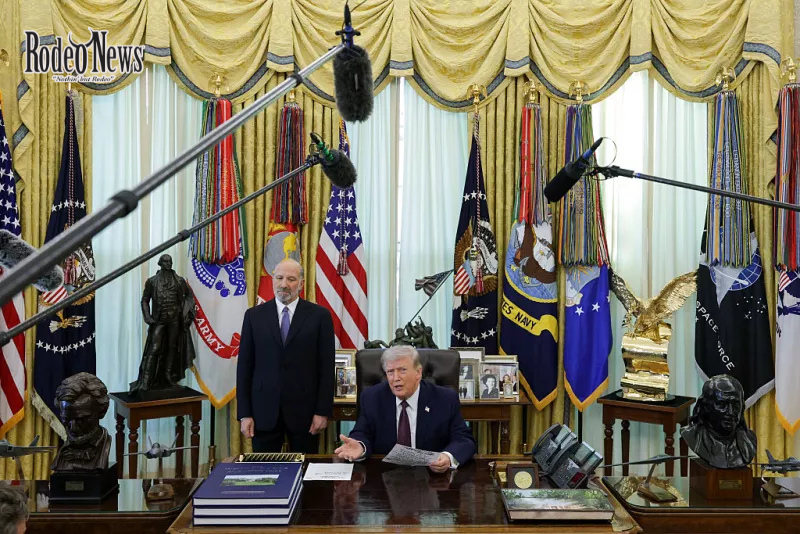
After more than a month of intense fighting between U.S.-Israeli forces and Iran, the White House is now hinting at a rapid withdrawal. However, despite the optimistic tone, analysts warn that the situation on the ground remains volatile, with ongoing strikes, regional instability, and unresolved political tensions.
A War That Began With Massive Strikes
The current conflict began in late February 2026, when the United States and Israel launched a coordinated military campaign targeting Iran’s nuclear and military infrastructure. The operation aimed to neutralize what Washington described as a growing nuclear threat and destabilizing regional influence.
The initial strikes were extensive, hitting key facilities, military bases, and leadership targets. Among the most significant developments early in the war was the reported killing of Iran’s Supreme Leader, a move that dramatically escalated tensions across the Middle East.
From the outset, Trump framed the operation as essential to preventing a larger global conflict, even suggesting it could avert a potential world war.
Trump Signals a Rapid Exit Strategy
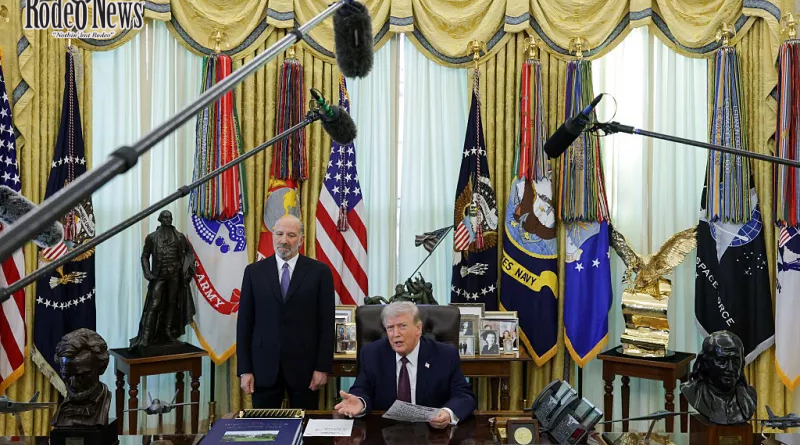
Now, the Iran war Trump narrative is shifting. The president has indicated that U.S. forces could withdraw within two to three weeks, suggesting that key military objectives have largely been achieved.
This potential exit marks a sharp contrast to earlier rhetoric, which included calls for “unconditional surrender” and even regime change in Iran. Over time, Trump’s stated goals have evolved, reflecting both battlefield realities and mounting domestic and international pressure.
Despite the optimism, the administration has not clearly defined what constitutes “victory.” Critics argue that without a concrete endgame, a withdrawal could leave a dangerous power vacuum in the region.
Ongoing Conflict Despite Optimism
While Trump has suggested the war may soon end, fighting continues across multiple fronts. Iranian forces and allied groups are still launching missile and drone attacks targeting U.S. and Israeli interests in the region.
Recent reports indicate that strikes have extended beyond Iran, affecting countries such as Qatar, Saudi Arabia, and the United Arab Emirates. At the same time, maritime traffic through the Strait of Hormuz—a critical global oil route—has been severely disrupted.
This ongoing violence underscores a key contradiction: even as leaders speak of de-escalation, the conflict remains active and dangerous.
Global Economic Impact Intensifies
The Iran war Trump developments have had immediate consequences for the global economy. Oil prices initially surged above $100 per barrel amid fears of supply disruptions, particularly due to the partial shutdown of the Strait of Hormuz.
However, recent optimism about a possible U.S. withdrawal has led to a rebound in financial markets and a drop in oil prices. Investors are betting that a reduced military presence could stabilize the region and restore energy flows.
Still, experts caution that the economic impact of the war could linger for months, especially if infrastructure damage and geopolitical tensions persist.
Diplomatic Efforts and Deadlock
Behind the scenes, diplomatic efforts to end the war are ongoing—but progress remains limited. The United States has reportedly put forward ceasefire proposals that include strict conditions, such as limits on Iran’s nuclear program and military capabilities.
Iran, however, has rejected these terms as unrealistic and continues to deny that formal negotiations are taking place.
Instead, communication between the two sides is occurring indirectly through mediators, including regional powers attempting to de-escalate the situation.
This diplomatic stalemate highlights the complexity of the conflict. Even if the U.S. withdraws militarily, a long-term resolution remains uncertain.
Shifting War Objectives Raise Questions
One of the most debated aspects of the Iran war Trump strategy is the shifting nature of its objectives. Initially framed as a mission to stop Iran’s nuclear ambitions, the war’s goals expanded to include weakening military capabilities and encouraging regime change.
Over time, however, the administration has softened its stance, focusing more on degrading Iran’s infrastructure rather than achieving sweeping political transformation.
This evolution has raised concerns among analysts, who argue that unclear objectives can complicate both military strategy and post-war planning.
Domestic and International Pressure Mounts
At home, the war has become increasingly controversial. While some Americans support the campaign as a necessary show of strength, others question its cost, both financially and in terms of human lives.
Reports indicate that the conflict has already resulted in American casualties and billions of dollars in military spending, adding to political pressure on the administration.
Internationally, tensions have also risen. European allies have shown reluctance to become deeply involved, and disagreements within NATO have further complicated the geopolitical landscape.
These pressures may be influencing Trump’s apparent willingness to bring the war to a close.
The Strait of Hormuz: A Critical Flashpoint
A central issue in the conflict is control of the Strait of Hormuz, a narrow waterway through which a significant portion of the world’s oil supply passes.
Iran’s actions in the region have disrupted shipping and contributed to global energy instability. At the same time, Trump has suggested that the U.S. may not take responsibility for securing the strait after its withdrawal, leaving the task to other nations.
This stance has raised concerns among global leaders, who fear that continued instability could trigger further economic shocks.
What Happens Next?
As the Iran war Trump situation evolves, several key questions remain unanswered:
- Will the U.S. actually withdraw within weeks, or will the timeline shift again?
- Can diplomatic efforts succeed where military action has stalled?
- What role will regional powers play in stabilizing—or escalating—the conflict?
For now, the war appears to be at a crossroads. The possibility of a U.S. exit offers hope for de-escalation, but the lack of a clear resolution means that uncertainty still dominates the outlook.
Conclusion: A Fragile Moment in Global Politics
The latest developments in the Iran war Trump saga suggest that the conflict may be approaching a निर्ण decisive moment. Trump’s signals of a rapid withdrawal have injected optimism into global markets and diplomatic circles alike.
However, the reality on the ground tells a more complex story—one marked by ongoing violence, unresolved tensions, and competing geopolitical interests.
Whether this moment leads to peace or further instability will depend on what happens next. For now, the world is watching closely as one of the most significant conflicts of 2026 enters what could be its final—and most uncertain—phase.