Tiger Woods Ryder Cup Exit Shocking 2027 Decision
The Tiger Woods Ryder Cup story has taken a dramatic turn after the golf legend officially stepped away from captaining Team USA in the 2027 tournament. The announcement, confirmed by the PGA of America, comes amid a turbulent period in Woods’ personal and professional life, raising serious questions about his future in the sport.
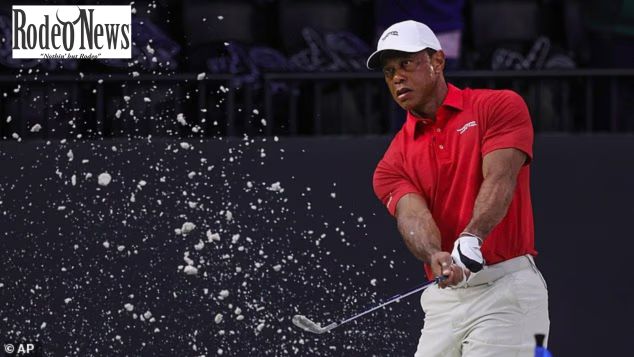
Once considered the overwhelming favorite to lead the United States at the prestigious Ryder Cup, Woods has now withdrawn, citing the need to prioritize his health and recovery. The decision marks one of the most significant moments in recent golf history.
A Sudden Withdrawal That Shook Golf
The Ryder Cup is one of the biggest events in global golf, and Woods’ expected role as captain for 2027—set to take place at Adare Manor in Ireland—was widely anticipated. However, recent developments have changed everything.
The 15-time major champion announced he would step away from golf “for a period of time” to focus on his well-being following a serious car crash.
Shortly after, the PGA of America confirmed that Woods would no longer serve as captain.
According to official statements, the organization fully supports his decision, emphasizing that his health must come first.
This unexpected move has left fans, analysts, and players stunned.
The Incident Behind the Decision
The turning point in the Tiger Woods Ryder Cup situation was a recent car accident near his home in Florida.
Reports indicate that Woods was involved in a rollover crash after attempting to overtake another vehicle. Authorities noted signs of impairment, and he was later charged with driving under the influence (DUI).
Although Woods passed a breathalyzer test, investigators found prescription medication in his possession. He has pleaded not guilty and is seeking treatment as part of his recovery process.
This incident is not isolated. It marks another chapter in a long history of injuries, surgeries, and off-course challenges that have impacted his career.
Health Comes First
In his statement, Woods made it clear that stepping away from the Ryder Cup—and golf in general—was necessary.
“This is necessary in order for me to prioritize my well-being and work toward lasting recovery,” he said.
The decision reflects a broader reality: at 50 years old, Woods has been battling physical limitations for years. From multiple back surgeries to the life-threatening car crash in 2021, his body has endured immense strain.
Now, the focus has shifted entirely toward recovery rather than competition.
Impact on the 2027 Ryder Cup
Woods’ absence creates a major leadership vacuum for Team USA.
He was not just a symbolic choice—he was a strategic one. Woods has extensive experience in team competitions, including serving as a playing captain during the 2019 Presidents Cup.
Without him, the PGA of America must now identify a new leader capable of guiding the team in one of golf’s most intense international showdowns.
The Ryder Cup itself has a long and storied history as a match-play competition between the United States and Europe, known for its fierce rivalry and global audience.
Replacing a figure like Woods will not be easy.
A Career at a Crossroads
The Tiger Woods Ryder Cup withdrawal also raises deeper questions about his future.
Once the dominant force in golf, Woods has struggled in recent years to remain competitive. His last appearances have been limited, and his physical condition has often prevented him from completing tournaments.
Experts are divided on what comes next. Some believe Woods could transition into a full-time leadership or ambassadorial role within golf. Others argue that his competitive career may effectively be over.
Even before this latest incident, there were doubts about whether he could win another major tournament.
The Golf World Reacts
The reaction across the golf community has been mixed—ranging from support to concern.
Officials from the PGA of America expressed full backing for Woods, praising his courage in stepping away to focus on his health.
Meanwhile, analysts have pointed out that patience with Woods has been wearing thin, given his recurring issues both on and off the course.
Still, many fans remain hopeful that he can recover and return in some capacity.
Missing The Masters and Beyond
Another major consequence of this decision is Woods’ absence from upcoming tournaments, including the Masters—an event he has won five times.
His withdrawal from competitive golf means fans will not see him at Augusta, further signaling the seriousness of his situation.
At this stage, there is no clear timeline for his return.
Legacy Beyond the Ryder Cup
Regardless of how the current situation unfolds, Woods’ legacy in golf is already secure.
He is widely regarded as one of the greatest players in history, having transformed the sport with his dominance, charisma, and global appeal.
The Tiger Woods Ryder Cup chapter may be closing, but his influence on golf will continue for decades.
From inspiring a new generation of players to reshaping the commercial landscape of the sport, Woods’ impact goes far beyond trophies and titles.
What Happens Next?
The immediate future for Woods involves treatment, recovery, and legal proceedings related to his recent arrest.
For the PGA of America, the focus shifts to finding a new Ryder Cup captain—a decision that will shape the U.S. team’s prospects in 2027.
For fans, the question remains: will Tiger Woods return to golf again?
At this point, the answer is uncertain.
Final Thoughts
The Tiger Woods Ryder Cup withdrawal is more than just a headline—it’s a defining moment in the career of one of golf’s greatest icons.
It highlights the challenges athletes face beyond the spotlight and underscores the importance of health over competition.
While Woods’ absence will be deeply felt at the 2027 Ryder Cup, his decision to step back may ultimately be the most important move of his life.
The golf world now watches and waits—hoping for recovery, clarity, and perhaps one more chapter in the remarkable story of Tiger Woods.