U.S. Green Berets Rally in Defense of Afghan Allies After Washington, D.C. Shooting
In the wake of a deadly shooting near the White House that left one U.S. guardsman dead and another critically wounded, members of the U.S. Green Berets have publicly defended their former Afghan counterparts, arguing the actions of one individual should not prejudice entire communities.
The Washington, D.C. Attack: What Happened
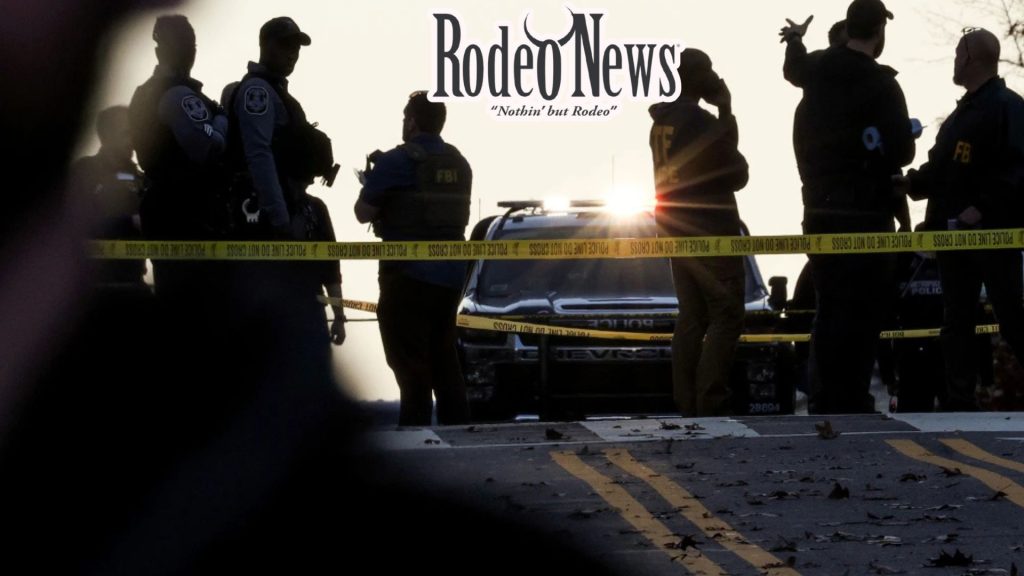
On November 26, 2025, two members of the West Virginia National Guard—a 20-year-old woman and a 24-year-old man—were ambushed near the Farragut West metro station, just two blocks from the White House. The assailant, later identified as Rahmanullah Lakanwal, opened fire with a .357 Magnum revolver, striking both guards in the head. One died of her injuries; the other remains in critical condition. The suspect was shot as he fired and was taken into custody.
Investigators describe the incident as a targeted, ambush-style attack. While law enforcement has not publicly confirmed a motive, the attack is being treated as a possible act of terrorism.
The Shooter’s Background
Lakanwal, a 29-year-old Afghan national, entered the U.S. in September 2021 under Operation Allies Welcome — a humanitarian resettlement program for Afghans who had worked with U.S. forces during the Afghanistan war. In Afghanistan, he had served in a paramilitary “Zero Unit,” part of a CIA-backed counterterrorism force operating with Afghan security services in Kandahar Province.
After arriving in the United States, Lakanwal applied for asylum in 2024; his application was granted in 2025. His green-card application remains pending.
Green Berets Push Back Against Collective Blame
Following the attack, some in the U.S. questioned whether Afghan immigrants — including former members of Afghan forces — pose a security risk. However, veterans of the Green Berets warn against painting all Afghan allies with the same brush. As reported by defense circles, many former Afghan soldiers worked side-by-side with U.S. special forces, sharing intense combat experiences, risking their lives, and depending on American support.
They argue that the vast majority of these individuals remain law-abiding and loyal; to tar the whole group because of one tragic act would be neither fair nor justified.
Aftermath: Immigration Freeze and Broad Repercussions
In response to the shooting, the U.S. Citizenship and Immigration Services (USCIS) announced an immediate halt to all immigration requests involving Afghan nationals. The freeze aims to allow a full review of security and vetting protocols following the attack.
Meanwhile, refugee organizations have warned that the backlash may unfairly target innocent Afghan refugees and allies. They caution that sweeping policies and aggressive detentions could punish people who served the U.S. faithfully — undermining trust and discouraging future cooperation.
What This Means
The episode exposes deep tensions in U.S. immigration, national security, and the legacy of America’s involvement in Afghanistan. The shooting — horrific and unforgivable — stands as the act of a lone individual. Yet its ripple effects now threaten to derail years of resettlement efforts, cooperation with former Afghan allies, and trust in asylum-based immigration.
For those who worked with the U.S. military in Afghanistan, the message from the Green Berets is clear: “Don’t punish many for the actions of one