Apple may be preparing for another major iPhone launch, but the most important advantage could have little to do with the phone’s hardware. The iPhone 18 Pro release date is shaping up to be a strategic weapon that could put Apple in a powerful position against Samsung, Google and other Android manufacturers during one of the industry’s most important sales periods.
Apple is expected to introduce the iPhone 18 Pro and iPhone 18 Pro Max in September 2026, with September 9 widely reported as the expected event date. Current reports also suggest that Apple could use the launch to introduce a new generation of premium iPhones while competing Android manufacturers have already spent weeks promoting their latest flagship devices.
That timing matters.
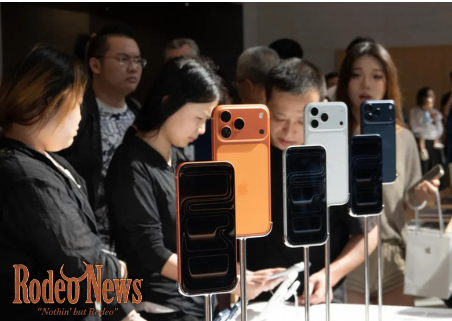
Samsung and Google have increasingly positioned their major smartphone announcements earlier in the year. This gives their products time to attract attention, but it also creates a vulnerability. When Apple’s annual iPhone event arrives, those devices may already be several weeks into their commercial life.
Apple can then enter the market with a fresh product just as consumers begin thinking seriously about their next smartphone purchase.
Why the iPhone 18 Pro Release Date Matters
The smartphone industry is heavily influenced by launch timing.
A technically impressive phone can struggle if it arrives at the wrong moment. Likewise, a product does not necessarily need to introduce every major innovation to dominate consumer attention if its launch coincides with a crucial buying season.
That is where the iPhone 18 Pro release date becomes especially significant.
According to Forbes contributor Ewan Spence, Apple’s September launch window gives the company an opportunity to benefit from the momentum created by earlier Android launches. Samsung and Google can introduce premium devices during the summer, establish their products in stores and spend heavily on advertising. Apple can then arrive later and reset the conversation.
The strategy is not simply about being first.
It is about being first when it matters most.
Apple’s September iPhone cycle is already deeply embedded in the smartphone market. Retailers, wireless carriers, consumers and accessory manufacturers all understand that the arrival of a new iPhone can change purchasing decisions almost overnight.
That makes Apple’s calendar difficult for competitors to escape.
Apple Can Let Samsung and Google Go First
One of the biggest advantages of Apple’s schedule is that it can watch its rivals before making its own final push.
Samsung and Google have already established an earlier launch rhythm for premium Android products. That gives Apple valuable information about consumer reaction to pricing, artificial intelligence features, camera technology and hardware design.
The iPhone 18 Pro can therefore arrive after the market has already revealed what consumers like and dislike about the competition.
This creates a remarkably different strategic position.
Instead of entering an uncertain market, Apple can observe the response to products such as Samsung’s latest Galaxy devices and Google’s Pixel 11 generation before its own launch receives worldwide attention.
That does not mean Apple can instantly copy competing features. However, the company can adjust its marketing priorities and messaging based on what has happened during the summer.
If consumers respond strongly to AI, Apple can emphasize its AI capabilities.
If privacy becomes a bigger selling point, Apple can highlight its approach to on-device processing and its broader ecosystem.
If premium smartphone prices generate criticism, Apple’s marketing team can frame the value of the iPhone around software, services, cameras, performance and long-term support.
The later launch therefore provides more than additional sales time. It provides intelligence.
The Holiday Shopping Window Could Be Apple’s Biggest Advantage
Timing becomes even more important as the year moves toward the holiday shopping season.
Consumers who buy smartphones through carriers often make decisions around upgrade cycles, promotions and trade-in offers. September and October are therefore critical months for manufacturers trying to capture premium customers.
Samsung and Google may have launched their products months earlier, but Apple can arrive just as consumers are entering the final stages of their purchase decisions.
Forbes argues that Apple’s September timing can compress the effective sales window available to premium Android competitors. Once the new iPhone reaches stores, carrier marketing and retail attention can shift heavily toward Apple’s latest generation.
That creates a difficult situation for Android manufacturers.
They can spend heavily to promote their devices before Apple’s launch. But once the iPhone arrives, they may need to spend even more to maintain visibility.
Alternatively, they can move their flagship releases further away from Apple’s September window.
Neither option is particularly comfortable.
Android Phones Face a Different Marketing Challenge
Samsung, Google and other Android manufacturers have one advantage Apple cannot easily replicate: variety.
Android companies can experiment with different designs, form factors, camera systems and price points. Samsung, for example, can use foldables as a way to differentiate itself from conventional smartphones.
Google has also increasingly used artificial intelligence as a central part of the Pixel identity.
Yet this diversity can also create a marketing problem.
Apple’s message is comparatively simple. A new iPhone arrives, the company promotes it across its retail network and carrier partners, and consumers immediately understand where it sits in the product lineup.
Android is more fragmented.
Different manufacturers use different versions of Android. Updates can vary by device and region. Hardware experiences also differ substantially between manufacturers.
Apple’s control over both hardware and software gives it a consistency that can be extremely valuable during a major launch.
iOS 27 Could Strengthen the iPhone 18 Pro Strategy
The hardware launch is only one part of Apple’s advantage.
The expected arrival of iOS 27 alongside the iPhone 18 generation could give Apple another opportunity to present a unified software experience.
Apple traditionally controls the distribution of iOS across supported iPhones, allowing major software updates to reach users much more consistently than Android updates across the wider ecosystem.
Forbes previously highlighted this difference as another potential advantage for the iPhone 18 Pro. Apple’s public beta process also gives the company months to gather feedback and refine the operating system before the final release.
That could become increasingly important as Apple expands its artificial intelligence features.
Consumers are not simply buying a processor or camera anymore. They are buying an integrated software experience.
If Apple can make iOS 27 feel polished from the first day the iPhone 18 Pro reaches customers, the company will be able to market the combination of hardware and software as a complete package.
That is harder for the fragmented Android ecosystem to replicate at exactly the same scale.
A Higher iPhone 18 Pro Price May Be Easier to Accept
There is another major factor surrounding Apple’s 2026 strategy: price.
Reports cited by Forbes indicate that Apple may increase the price of the iPhone 18 Pro and iPhone 18 Pro Max by roughly $100 to $200 compared with the previous generation.
That would normally create a significant marketing challenge.
Consumers are highly sensitive to flagship smartphone prices, particularly when upgrades become more incremental.
However, Apple’s position at the end of the premium launch cycle could soften the impact.
If Samsung and Google have already established higher prices for their own premium devices, Apple would not necessarily be perceived as the company that started the price increase.
Instead, Apple could appear to be following an industry-wide trend.
This is a subtle but powerful distinction.
A consumer seeing several premium phones priced higher than previous generations may become more accustomed to the new market baseline. Apple could then introduce the iPhone 18 Pro at a higher price without being solely responsible for resetting expectations.
That does not guarantee consumers will accept the increase. But it could make the psychological impact smaller.
The iPhone 18 Pro Could Arrive at the Perfect Moment
The broader strategy becomes clearer when all these elements are considered together.
Samsung and Google launch early.
Consumers compare the latest Android phones.
Manufacturers reveal their prices and new AI features.
Retailers begin preparing for the holiday shopping period.
Apple watches the market.
Then the iPhone 18 Pro arrives.
That sequence gives Apple several opportunities to adjust its messaging before its most important launch of the year.
The company can emphasize whichever features have become most relevant to consumers.
And because the iPhone is already one of the world’s best-known smartphone brands, Apple does not need to spend the same amount of time explaining what the product is.
The company mainly needs to explain why consumers should upgrade.
The Foldable iPhone Adds Another Layer
The expected 2026 iPhone launch could become even more significant because Apple is widely rumored to be preparing a foldable iPhone alongside its Pro models.
Reports suggest the foldable device could be positioned above the conventional Pro lineup and command a much higher price.
If that happens, Apple would suddenly have another product capable of dominating technology headlines.
A foldable iPhone could attract consumers interested in a new form factor, while the iPhone 18 Pro would remain the conventional premium choice.
That would give Apple two different stories to tell during the same launch period.
It could also force Samsung and Google to defend their positions in both traditional flagship smartphones and foldable devices at the same time.
For Samsung in particular, this could be significant because its foldable phones have traditionally represented one of the strongest examples of hardware differentiation within the Android market.
What This Means for Smartphone Buyers
For consumers, Apple’s strategy could make the second half of 2026 particularly interesting.
Anyone considering a premium Android smartphone may want to compare it with the iPhone 18 Pro before making a final decision.
The same applies to consumers already using an older iPhone.
The iPhone 18 Pro is expected to bring improvements across performance, cameras, battery technology and artificial intelligence, although many specifications remain based on reports and rumors rather than Apple’s official announcements. Current reporting has also pointed to a new-generation chip and possible camera and display improvements.
That uncertainty is important.
Apple has not officially confirmed every reported specification or feature. Consumers should therefore treat leaked specifications and projected prices as preliminary until the company makes its announcements.
Still, the strategic picture is becoming easier to understand.
Apple does not necessarily need to launch first.
It needs to launch when the market is ready to spend.
Apple May Be Playing the Long Game
The biggest lesson from the expected iPhone 18 Pro release date is that smartphone competition is no longer purely about specifications.
Launch calendars matter.
Retail relationships matter.
Carrier promotions matter.
Software timing matters.
Pricing psychology matters.
Apple’s September strategy brings all of those elements together.
Samsung and Google can still challenge Apple with better cameras, new AI capabilities, innovative designs and aggressive pricing. Android also remains the dominant platform across much of the global smartphone market.
But Apple’s advantage is the predictability and scale of its annual iPhone cycle.
When the new iPhone arrives, the industry responds.
That gives Apple a powerful position heading into the final quarter of the year.
The Real Winner Could Be Apple
The iPhone 18 Pro release date may ultimately prove to be more important than any single rumored specification.
A September launch would put Apple’s next premium iPhone directly in front of consumers at a critical point in the purchasing calendar. By then, Samsung and Google will have already shown their cards, while Apple can use the information gathered during the summer to sharpen its own strategy.
The company could also benefit from a market that has already adjusted to higher flagship prices.
Meanwhile, iOS 27 should provide a unified software foundation, while a possible foldable iPhone could generate additional attention around the same event.
That combination gives Apple a powerful setup for the 2026 holiday season.
The Android competition is far from defeated. Samsung, Google and other manufacturers continue to innovate rapidly, particularly in artificial intelligence, cameras and foldable hardware.
However, Apple does not need to win every category.
It only needs to make its September launch the moment consumers cannot ignore.
If the expected schedule holds, the iPhone 18 Pro could arrive with exactly that advantage.
Source: Forbes — iPhone 18 Pro Release Date Has Already Crushed The Competition