Legal Battles Intensify Over Trump-Era National Guard Deployments in U.S. Cities
In a rare and contentious use of federal military force in domestic settings, President Donald Trump has overseen deployments of the National Guard and Marines in multiple U.S. cities — a move now facing mounting legal challenges.
Cities in the Crosshairs
Los Angeles
The first major deployment came in June, when 4,000 National Guard members and 700 Marines were sent to Los Angeles.
Federal judges have twice ruled against the deployments, finding that no “rebellion” existed to justify the move and that troops were used in roles prohibited under the Posse Comitatus Act.
However, a U.S. appeals court has paused those rulings and so far has given the administration the green light to maintain the troop presence.
Washington D.C.
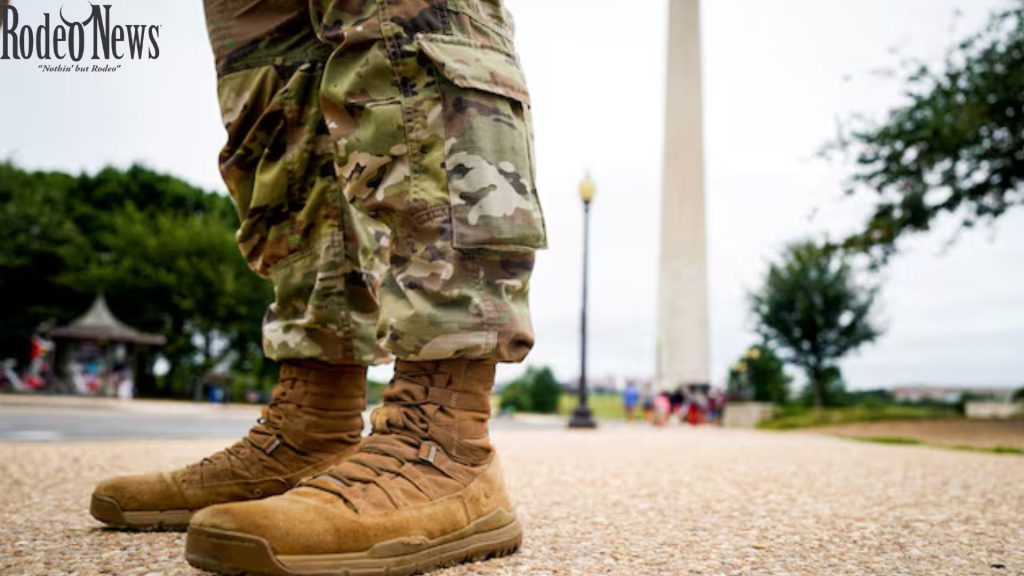
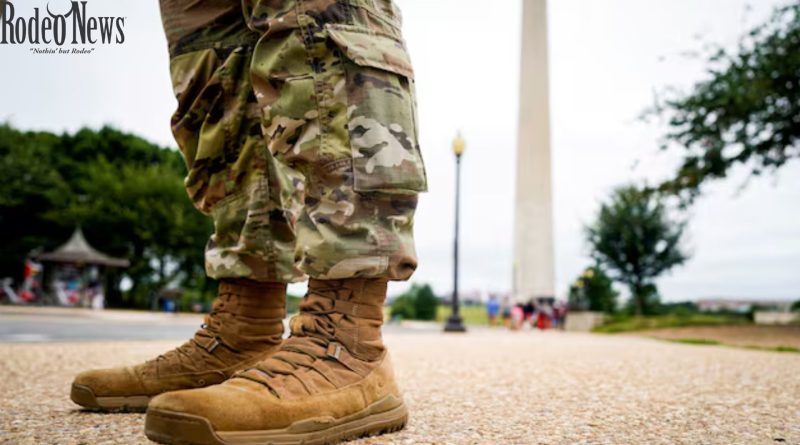
In the nation’s capital, about 2,500 National Guard troops have been deployed. Because Washington isn’t part of any state, the president has broad law-enforcement authority there.
The city’s mayor, with support from local officials, argues the Guard is being used as a “federally run police force” without a proper legal basis. The city’s attorney general has filed suit under the Home Rule Act of 1973.
Chicago
Troops are not yet deployed in Illinois, but a move had been planned. The administration’s effort to send them was hit by a judge’s temporary restraining order after the state sued to block it.
The judge ruled that federal claims of widespread violence were “less than credible,” noting local law-enforcement described protests as “small and largely peaceful.”
Portland
Although 200 troops were ordered to Portland on 27 September, a federal judge blocked the move, rejecting the president’s depiction of the city as “war-ravaged” as lacking basis.
An appeals court later paused that injunction — though only the part about control of the Oregon Guard — leaving the broader question unresolved.
Memphis
In Memphis, the situation is slightly different. The Tennessee National Guard remains under the control of Republican Governor Bill Lee, not the federal government.
Still, state lawmakers and the county mayor have sued, arguing the deployment violates state constitution and laws. A judge has declined to block the troops for now, but a hearing is scheduled.
The Legal & Constitutional Stakes
The central issues swirl around questions of federal versus state authority, the domestic use of military force, and the limits of presidential power.
The Posse Comitatus Act restricts the use of the U.S. military for domestic law-enforcement functions, though its applicability in each case is being tested.
The Home Rule Act gives Washington D.C. local self-governance over policing — a point of clash with the federal administration.
The question of what constitutes a “rebellion” or sufficient crisis to trigger these deployments is under judicial scrutiny.
At stake is whether the president can deploy federalised National Guard troops into U.S. cities without state approval or under broad discretion of “law and order” justification. And ultimately, the Supreme Court of the United States is expected to weigh in on whether the existing rulings hold and how far such presidential authority extends.
Why It Matters
From a governance and separation-of-powers standpoint, these battlegrounds reflect deeper tensions:
For states and cities, there’s fear of federal overreach into local policing and civil-liberties erosion.
For the federal government, the use of troops is framed as a response to “lawlessness” — though the deployment critics say lacks proportional justification.
Politically, the issue plays into debates about protests, immigration policy (the stated reason for many of the deployments), and the militarisation of domestic policy.