Iran Strait Crisis Revealed: 5 Shocking Global Impacts
The Iran Strait Crisis has rapidly escalated into one of the most dangerous geopolitical flashpoints of 2026, reshaping global trade, energy markets, and international security. Centered on the strategically vital Strait of Hormuz, the conflict has disrupted one of the world’s most critical maritime routes and triggered ripple effects across continents.
As tensions between Iran and the United States intensify, the situation has evolved into a complex standoff involving military action, economic pressure, and fragile diplomacy. The crisis is not just regional—it is global in scope and consequence.
What Is the Iran Strait Crisis?
The Iran Strait Crisis refers to the ongoing confrontation during the broader 2026 Iran war, where control over the Strait of Hormuz has become a central strategic objective.
This narrow waterway connects the Persian Gulf to global shipping lanes and carries roughly 20% of the world’s oil supply.
In early 2026, following coordinated airstrikes by the U.S. and its allies, Iran responded by asserting control over the strait and restricting passage for foreign vessels.
Since then, the region has seen:
- Naval blockades
- Attacks on commercial ships
- Escalating insurance and shipping risks
- Diplomatic deadlock
1. Global Oil Supply Faces Severe Disruption
The most immediate and visible effect of the Iran Strait Crisis is on global energy markets.
The Strait of Hormuz is a lifeline for oil exports from major producers such as Saudi Arabia, Iraq, and the United Arab Emirates. When access is restricted, global supply tightens almost instantly.
Recent reports show:
- Oil prices surging above $100 per barrel
- Supply chains strained due to reduced tanker movement
- Market volatility driven by uncertainty
Because such a large share of global oil flows through this route, even partial disruption creates outsized consequences. Analysts warn that prolonged instability could trigger inflation spikes and energy shortages worldwide.
2. Shipping Industry in Crisis Mode
Shipping through the Strait of Hormuz has become increasingly dangerous and unpredictable.
Commercial vessels now face:
- Armed attacks and seizures
- Sudden route closures
- Conflicting military orders
In some cases, ships have been forced to turn back mid-journey due to safety concerns.
Moreover, insurers have dramatically tightened requirements. Some now require vessels to follow Iran-approved routes to qualify for coverage, highlighting the level of control Iran is attempting to exert.
Insurance costs have skyrocketed from around 0.25% in peacetime to as high as 8% of a ship’s value, making trade through the region significantly more expensive.
3. A Dangerous “Dual Blockade” Strategy
One of the most striking features of the Iran Strait Crisis is the emergence of what analysts describe as a dual blockade.
- The U.S. has imposed a naval blockade on Iranian ports
- Iran has effectively restricted access to the Strait of Hormuz
This creates a situation where:
- Iran cannot easily export oil
- Global shipping cannot freely pass through the strait
The result is a stalemate that increases pressure on both sides while amplifying global economic risks.
Iran has stated it will not reopen the strait while under blockade, framing the U.S. actions as continued hostility.
Meanwhile, U.S. officials insist that Iran cannot be allowed to control or “normalize” authority over such a critical international waterway.
4. Fragile Diplomacy and Uncertain Peace Talks
Diplomatic efforts to resolve the crisis remain ongoing—but fragile.
Iran has proposed a deal that would:
- End attacks in the Strait of Hormuz
- Restore safe passage for ships
- Pause nuclear negotiations until later
However, the United States remains skeptical. Officials question whether Iran would comply with long-term commitments, particularly regarding its nuclear program.
This deadlock has stalled meaningful progress, leaving the crisis unresolved and volatile.
Regional mediators, including countries like Pakistan and Oman, have attempted to facilitate talks, but no breakthrough has been achieved.
5. Global Economic Shockwaves
Beyond oil and shipping, the Iran Strait Crisis is sending shockwaves through the global economy.
Key impacts include:
Rising Inflation
Higher energy costs are feeding into broader inflation, affecting everything from transportation to food prices.
Supply Chain Disruptions
Shipping delays and increased costs are disrupting global trade routes, particularly for Asia, which depends heavily on Gulf energy exports.
Financial Market Volatility
Markets have experienced sharp fluctuations as investors react to uncertainty and geopolitical risk.
The International Energy Agency has described the situation as one of the most severe energy security challenges in modern history.
Why the Strait of Hormuz Matters So Much
The strategic importance of the Strait of Hormuz cannot be overstated.
- It is only about 34 kilometers wide at its narrowest point
- It serves as the primary export route for Gulf oil
- It connects major energy producers to global markets
Any disruption here has immediate and far-reaching consequences. Unlike other trade routes, there are few viable alternatives capable of handling the same volume of energy shipments.
Military Escalation Risks
The Iran Strait Crisis also carries significant military risks.
Both sides have increased their presence in the region:
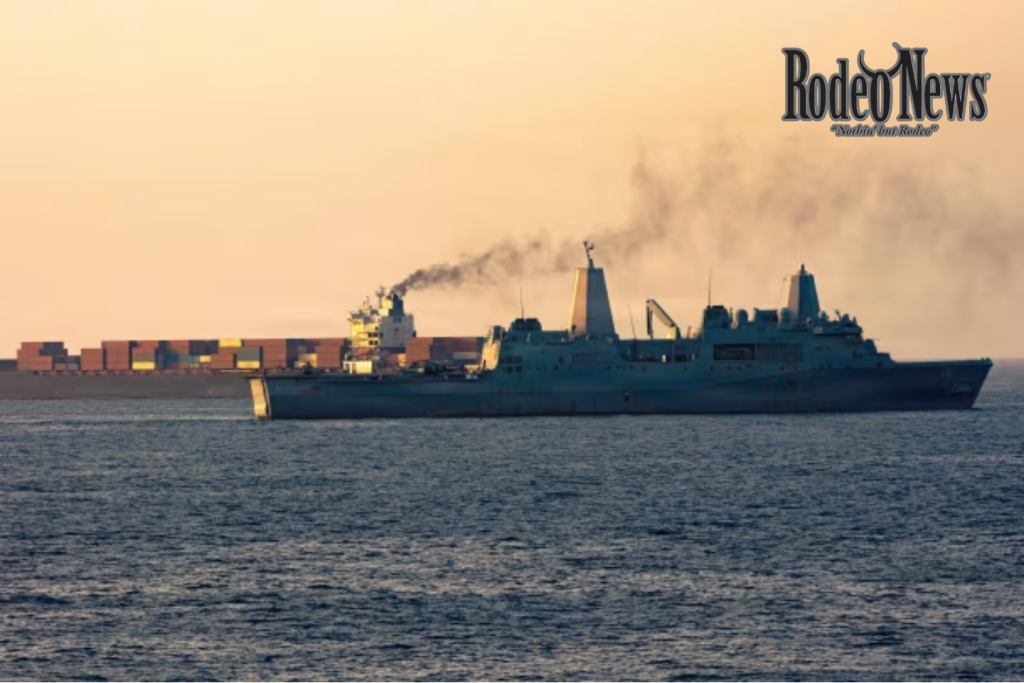
- The U.S. has deployed naval forces to escort ships and enforce its blockade
- Iran has used naval units, drones, and mines to assert control
Incidents such as attacks on vessels and seizures of ships raise the risk of miscalculation, which could escalate into a broader conflict.
Even with temporary ceasefires, violence has continued sporadically, underscoring how fragile the situation remains.
What Happens Next?
The future of the Iran Strait Crisis remains uncertain.
Three possible scenarios are emerging:
1. Diplomatic Breakthrough
A negotiated agreement could reopen the strait and stabilize markets—but would require major concessions from both sides.
2. Prolonged Stalemate
The current situation could persist, with limited shipping, high oil prices, and ongoing tension.
3. Escalation into Wider Conflict
Any major incident—such as a large-scale attack—could trigger a broader regional war involving additional countries.
Conclusion
The Iran Strait Crisis is more than a regional conflict—it is a global turning point.
With energy markets disrupted, shipping routes under threat, and diplomacy stalled, the stakes could not be higher. The Strait of Hormuz remains at the center of this crisis, serving as both a strategic chokepoint and a symbol of the broader struggle between competing powers.
As the world watches closely, one thing is clear: the outcome of this crisis will shape global politics, economics, and security for years to come.