Hezbollah Beirut Attack Raises Fresh Fears Over Fragile Truce
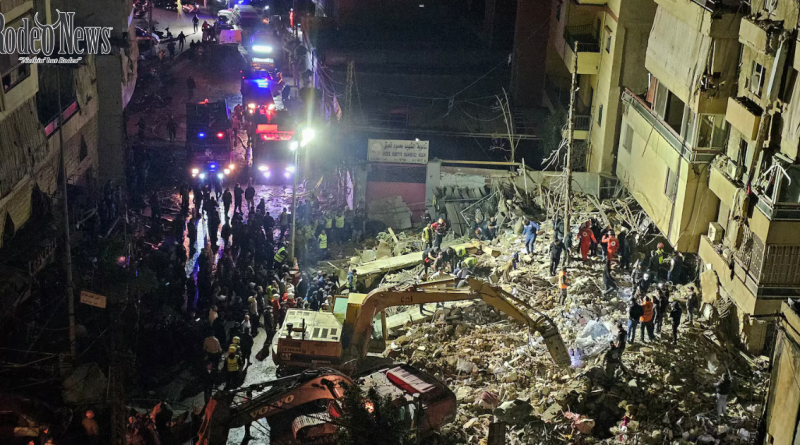
A new Hezbollah Beirut attack crisis erupted Wednesday after Israel launched an airstrike on the southern suburbs of Beirut, targeting a commander linked to Hezbollah’s elite Radwan Forces. The strike marked the first direct attack near the Lebanese capital since a fragile ceasefire was established in mid-April, immediately raising fears that the region could slide back into full-scale conflict.
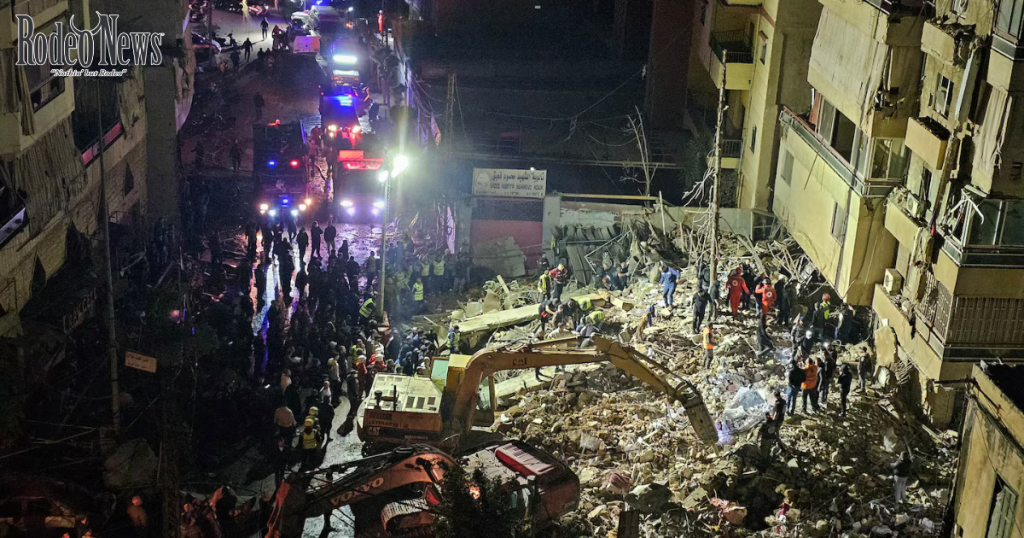
The attack hit the densely populated Haret Hreik neighborhood, a known Hezbollah stronghold in Beirut’s southern suburbs. Witnesses described loud explosions, damaged residential buildings, and panic among civilians as rescue teams rushed to the scene.
Israeli officials confirmed the operation shortly after the strike. Prime Minister Benjamin Netanyahu and Defense Minister Israel Katz defended the attack, saying Israel would continue targeting Hezbollah militants involved in operations against Israeli communities and military forces.
The latest escalation threatens to unravel diplomatic efforts aimed at stabilizing the Israel-Lebanon border after months of violence.
Israel Says Hezbollah Commander Was Targeted
According to Israeli authorities, the Hezbollah Beirut attack operation specifically targeted a commander from Hezbollah’s Radwan Forces, an elite military unit established after the 2006 Lebanon war.
The Radwan unit has become one of Hezbollah’s most experienced fighting forces, particularly after years of involvement in the Syrian civil war. Israeli intelligence claims members of the group played key roles in attacks against Israeli soldiers and border communities.
The airstrike reportedly struck a multi-story building in Haret Hreik, causing major structural damage. Lebanese media reported casualties, although official numbers remained unclear as emergency crews continued search operations.
Israel described the strike as a “precise operation,” insisting it was aimed solely at militant targets. However, the attack’s location near civilian infrastructure immediately sparked criticism and concern from observers monitoring the conflict.
Meanwhile, Lebanese officials accused Israel of violating the ceasefire agreement that had reduced hostilities in Beirut over recent weeks.
Haret Hreik Once Again Becomes Flashpoint
Haret Hreik has repeatedly become a focal point in the broader Israel-Hezbollah conflict. The suburb, located in Beirut’s southern district known as Dahiyeh, has long been associated with Hezbollah political offices, military facilities, and senior commanders.
During previous conflicts, Israel conducted multiple strikes in the area, including attacks that killed senior Hezbollah figures in both 2024 and 2025.
Residents say the latest Hezbollah Beirut attack revived memories of earlier wars that devastated parts of Lebanon’s capital.
Smoke was seen rising above damaged buildings following the strike, while local residents fled surrounding streets fearing additional attacks.
The renewed violence also triggered anxiety among businesses and families already struggling with Lebanon’s severe economic crisis.
Fragile Ceasefire Faces Major Test
The ceasefire brokered in April had temporarily reduced fighting between Israel and Hezbollah after months of deadly cross-border clashes.
However, tensions never fully disappeared.
Israeli forces continued operations in southern Lebanon, while Hezbollah maintained military activity near the border. Sporadic rocket launches and drone incidents repeatedly threatened the truce.
The latest Hezbollah Beirut attack now places the ceasefire under its greatest pressure yet.
Regional analysts warn that any retaliatory response from Hezbollah could quickly reignite broader fighting across Lebanon and northern Israel.
The conflict has already inflicted a devastating human toll. Reports indicate more than 2,700 people in Lebanon have been killed since the violence intensified earlier this year, while casualties have also been reported in Israel.
International diplomats have continued urging restraint, fearing that escalation between Israel and Hezbollah could destabilize the wider Middle East.
Netanyahu Signals Continued Military Pressure
Israeli Prime Minister Benjamin Netanyahu signaled that Israel would not scale back military operations despite ceasefire discussions.
Officials in Jerusalem insist Hezbollah remains an ongoing threat and argue that military pressure is necessary to protect northern Israeli communities.
In a joint statement, Netanyahu and Defense Minister Katz said “no terrorist has immunity,” reinforcing Israel’s willingness to conduct targeted operations deep inside Lebanon.
The statement also emphasized close coordination with the United States regarding regional security concerns.
Israel has increasingly linked its campaign against Hezbollah to broader tensions involving Iran, which supports the Lebanese militant group financially and militarily.
Recent developments involving Iran, maritime tensions in the Strait of Hormuz, and U.S. military activity have added further complexity to the crisis.
Hezbollah Yet to Announce Response
As of Wednesday evening, Hezbollah had not officially confirmed whether the targeted commander was killed in the Hezbollah Beirut attack.
The group also stopped short of announcing any immediate retaliation.
However, Hezbollah-affiliated media condemned the strike and accused Israel of intentionally undermining ongoing diplomatic efforts.
Observers note that Hezbollah faces a difficult decision.
A large-scale retaliation could trigger another devastating war inside Lebanon. Yet failing to respond may weaken the group’s standing among supporters who expect retaliation after Israeli strikes on senior figures.
The organization has historically responded carefully to targeted assassinations, balancing military action with political considerations inside Lebanon.
Lebanon’s Government Calls for Calm
Lebanese officials urged calm following the Hezbollah Beirut attack while condemning the Israeli operation.
Government representatives warned that renewed violence could destroy remaining hopes for political stability and economic recovery.
Lebanon continues to face one of the world’s worst financial crises, with widespread poverty, banking collapse, and severe infrastructure problems affecting millions.
Many Lebanese citizens fear another prolonged war would deepen humanitarian suffering.
Prime Minister Nawaf Salam reiterated calls for maintaining the ceasefire and prioritizing diplomatic negotiations over military escalation.
International mediators, including U.S. officials, are reportedly continuing efforts to preserve communication channels between both sides.
Middle East Tensions Continue to Rise
The Hezbollah Beirut attack comes during a period of heightened instability across the Middle East.
Ongoing disputes involving Iran, Israeli military operations, and regional proxy groups have increased fears of a wider regional confrontation.
At the same time, diplomatic negotiations involving Washington and Tehran remain fragile.
Security experts warn that even limited clashes between Israel and Hezbollah carry significant risks due to the military capabilities possessed by both sides.
Hezbollah is believed to maintain a large arsenal of rockets and drones, while Israel continues developing advanced missile defense systems and intelligence operations.
The combination has created a tense military balance where localized incidents can quickly escalate into broader conflict.
What Happens Next
The coming days may determine whether the latest Hezbollah Beirut attack becomes another isolated escalation or the beginning of a larger confrontation.
So far, both Israel and Hezbollah appear cautious about entering a full-scale war. However, repeated violations of the ceasefire increase the possibility of miscalculation.
Diplomatic pressure from the United States, European countries, and regional governments may play a key role in preventing further escalation.
Still, the situation remains highly volatile.
Residents across Lebanon and northern Israel now wait anxiously to see whether the fragile truce can survive yet another major test.
For now, the Beirut strike serves as a reminder that despite ongoing negotiations and ceasefire efforts, the Israel-Hezbollah conflict remains far from resolved.