Allyson Felix Comeback Revealed: 2028 Olympic Dream
The Allyson Felix comeback is officially underway, and it’s already reshaping the conversation around age, legacy, and ambition in elite sports. At 40 years old, the most decorated female track and field athlete in history has announced her intention to return to competition with one bold goal: qualifying for the 2028 Olympic Games in Los Angeles.
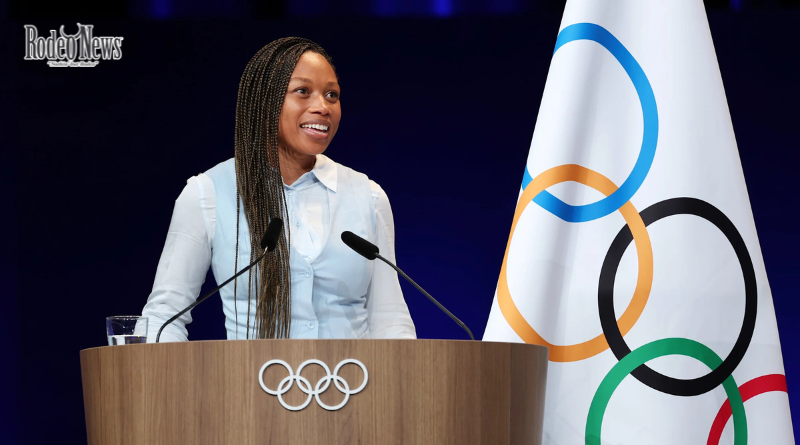
For many athletes, retirement marks the end of a physically demanding journey. However, Felix is challenging that narrative. Her decision to pursue another Olympic appearance—potentially her sixth—signals not just a personal milestone, but a broader cultural moment in sports where longevity is increasingly celebrated.
A Legendary Career That Still Evolves
Before diving into the significance of the Allyson Felix comeback, it’s important to understand the magnitude of her legacy.
Felix retired after the Tokyo Olympics with 11 Olympic medals, including seven golds, making her the most decorated athlete in track and field history. Her career spans nearly two decades, during which she dominated sprint events and became a global icon.
Yet despite her unmatched success, one thing was missing: competing in a home Olympics.
That opportunity will finally arrive in 2028 when Los Angeles hosts the Summer Games.
According to recent reports, Felix described the chance to compete in front of a home crowd as a powerful motivator. The roar of a hometown audience—something she never experienced during her career—remains a dream she’s not ready to give up.
Why Now? The Motivation Behind the Comeback
The Allyson Felix comeback is not driven by unfinished business in the traditional sense. Instead, it stems from a mix of personal ambition, emotional reflection, and evolving perspectives on what’s possible at age 40.
Felix has openly acknowledged that she is no longer in her physical prime. However, that reality has not deterred her. Instead, it has reframed her mission.
She emphasized the importance of pursuing bold goals, even when they seem unconventional. The idea is simple yet powerful: age should not define limits.
Her experience at the 2024 Paris Olympics—where she attended as a spectator—played a key role in reigniting her competitive fire. Watching from the sidelines brought mixed emotions, including a renewed desire to be back on the track.
Inspired by Athletes Defying Age
Felix is not alone in redefining athletic longevity. Her comeback is part of a broader trend of elite athletes competing well into their late 30s and 40s.
She has drawn inspiration from figures like LeBron James, Tom Brady, and Lindsey Vonn—athletes who extended their careers far beyond traditional expectations.
This shift reflects advancements in sports science, recovery methods, and training techniques. More importantly, it highlights a changing mindset: experience and discipline can sometimes rival youthful explosiveness.
For Felix, this evolution creates a window of possibility. While she may not match her peak performance, her experience and strategic racing could still make her competitive.
The Challenges Ahead
Despite the excitement surrounding the Allyson Felix comeback, the road to the 2028 Olympics will not be easy.
1. Fierce U.S. Qualification System
The United States track and field trials are among the most competitive in the world. Only the top athletes earn a spot on the Olympic team, and younger sprinters are constantly emerging.
Felix will need to prove she can still compete at an elite level against athletes nearly half her age.
2. Physical Demands
Sprint events require explosive power, speed, and recovery—qualities that naturally decline with age. Maintaining peak condition at 40 will require meticulous training and injury prevention.
3. Balancing Family and Training
Felix is now a mother of two, and she has made it clear that family remains a priority. Unlike earlier in her career, she plans to limit international travel and focus on training closer to home.
This balance adds another layer of complexity to her comeback journey.
A Symbol Beyond Competition
The Allyson Felix comeback is about more than medals—it represents a broader cultural shift.
Felix has long been an advocate for women in sports, particularly around issues like maternity rights and fair sponsorship contracts. Her decision to return to competition as a mother of two sends a powerful message: elite performance and motherhood are not mutually exclusive.
Her comeback also challenges societal expectations about aging. In many ways, Felix is redefining what it means to be an elite athlete—not just in terms of performance, but in resilience and purpose.
The LA 2028 Factor
The location of the 2028 Olympics plays a crucial role in this story.
Los Angeles is not just another host city—it’s Felix’s hometown. Competing there would be deeply personal, adding emotional weight to her comeback.
The 2028 Games are already shaping up to be a landmark event, with new sports and innovations expected to attract global attention.
For Felix, being part of that moment—whether as a competitor or supporter—is non-negotiable. She has even stated that she would regret not trying to qualify.
What Success Looks Like
Interestingly, Felix has redefined success for this stage of her career.
Winning another Olympic medal would be extraordinary, but it’s not the only measure of achievement. Simply qualifying for the Games at age 42 would be historic.
Even more importantly, the journey itself—training, competing, and pushing boundaries—holds intrinsic value.
Felix has made it clear that regardless of the outcome, she intends to embrace the experience fully. If she falls short of qualification, she will still attend the Games with her family and support the next generation of athletes.
The Broader Impact on Sports
The Allyson Felix comeback could have lasting implications beyond track and field.
Redefining Peak Age
Athletes across sports may feel empowered to extend their careers, challenging outdated assumptions about aging.
Inspiring Future Generations
Young athletes—especially women—can look to Felix as proof that life events like motherhood do not have to end a career.
Changing Industry Norms
Sponsors, teams, and organizations may need to adapt to support athletes at different life stages.
Final Thoughts
The Allyson Felix comeback is one of the most compelling sports stories in recent years. It blends legacy, ambition, and cultural change into a narrative that goes far beyond the track.
At 40, Felix is not chasing validation—she’s chasing possibility.
Whether she qualifies for the 2028 Olympics or not, her decision to return has already made an impact. It challenges norms, inspires millions, and reminds us that greatness is not defined by age, but by courage.
As the road to Los Angeles 2028 unfolds, one thing is certain: the world will be watching.