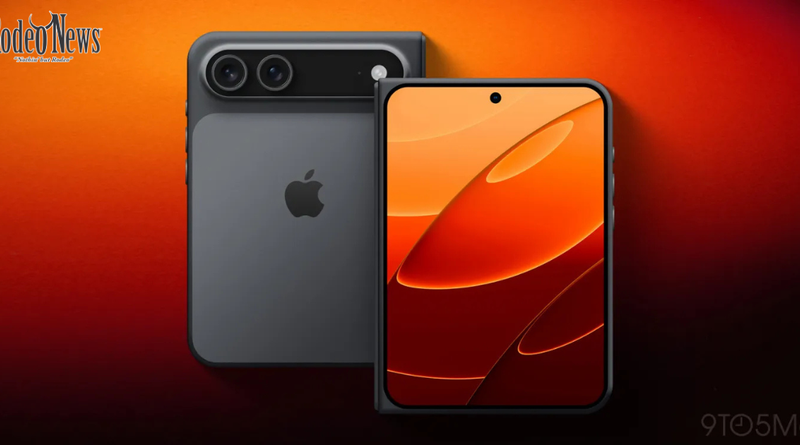
iPhone Ultra: 5 Big Form-Factor Reveals
Apple’s first foldable iPhone could be closer to reality than ever, and the iPhone Ultra form factor is beginning to look easier to visualize. Although Apple has yet to officially unveil the device, recent comparisons involving Samsung’s Galaxy Z Fold 8 offer an intriguing preview of how Apple’s rumored foldable could look and feel in everyday use.
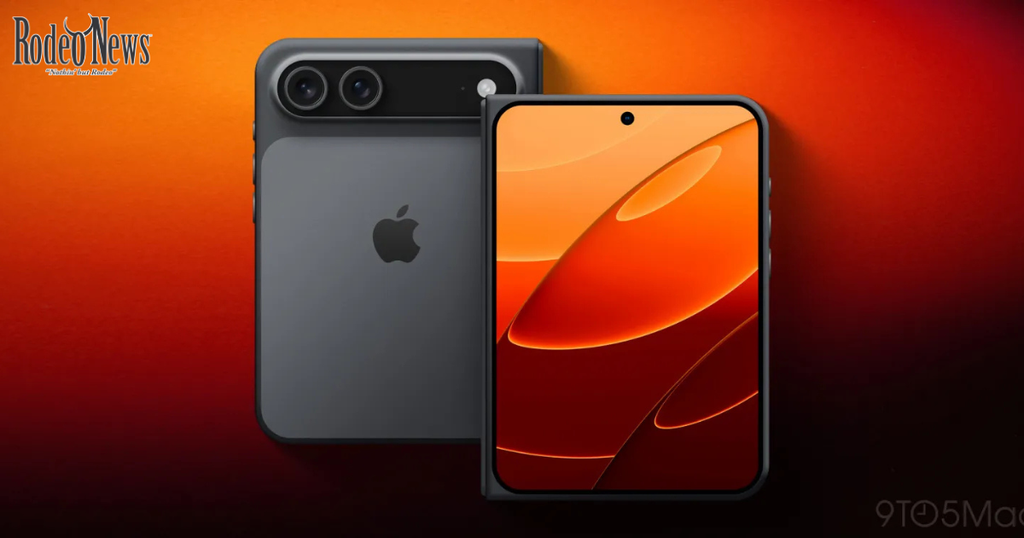
The biggest surprise is the combination of a relatively compact exterior with a much larger interior display. Reports indicate that the iPhone Ultra could feature a 5.5-inch outer screen and a 7.6-inch inner display when unfolded. That would put Apple’s first foldable firmly into the book-style foldable category. 99to5Mac
The concept is important because Apple would not simply be making a larger iPhone. Instead, the company appears to be preparing a device that could occupy the space between an iPhone and an iPad mini while still fitting inside a pocket when closed.
iPhone Ultra Could Change the Meaning of a Large iPhone
For years, Apple’s iPhone lineup has largely followed a familiar formula. Users choose between different screen sizes, camera systems and premium features, but the basic smartphone shape remains the same.
The rumored iPhone Ultra would break that pattern.
Rather than stretching the traditional iPhone into an even larger slab, Apple is reportedly preparing a book-style foldable. The device would have a conventional-looking external screen for everyday tasks, then open horizontally to reveal a substantially larger display.
That approach has already become familiar to Android users through products such as Samsung’s Galaxy Z Fold series. However, Apple’s implementation could give the concept a very different appeal because of the company’s tightly integrated hardware and software ecosystem.
Recent reporting based on the Galaxy Z Fold 8 also gives consumers a useful physical reference. Samsung’s newest foldable reportedly uses the same general 5.5-inch outer and 7.6-inch inner display dimensions attributed to the upcoming iPhone. 99to5Mac
That means consumers can already get a reasonable idea of the potential footprint of Apple’s device before the company officially shows it.
The iPhone Ultra Could Be Surprisingly Compact
One of the most interesting aspects of the rumored design is what happens when the device is closed.
A book-style foldable necessarily becomes thicker than a traditional smartphone because two display sections, a hinge and additional internal components must fit together. Yet the overall footprint can remain relatively compact.
Photos comparing Samsung’s Galaxy Z Fold 8 with Apple products help illustrate this point. The foldable can deliver a tablet-like screen while maintaining a footprint that is considerably more manageable than carrying a conventional tablet.
For users who remember the iPhone 13 mini, the comparison becomes even more interesting.
The iPhone 13 mini was designed for people who wanted a genuinely small smartphone. Its 5.4-inch display made it one of the most compact modern iPhones, but the model was eventually discontinued as Apple moved toward larger devices.
The rumored iPhone Ultra could offer an unusual alternative.
When closed, its external screen would be smaller than the displays found on Apple’s largest iPhones. Yet opening the device could reveal a screen approaching the size of a small tablet. 99to5Mac
That makes the concept particularly appealing to people who like compact phones but still want a large display when they need it.
iPhone Ultra vs. iPhone 13 Mini: A Different Kind of Compact Phone
It would be inaccurate to call the iPhone Ultra a direct successor to the iPhone 13 mini. The two products would be designed around completely different philosophies.
The iPhone 13 mini is small because everything inside the device is built around a compact conventional smartphone chassis.
The iPhone Ultra, by contrast, would be compact when folded.
That distinction could be important in everyday use.
A traditional small phone gives users a smaller screen all the time. A foldable can potentially provide a smaller external footprint without sacrificing access to a much larger display.
For example, checking notifications, responding to a short message or making a phone call could be handled on the outer screen. When the user wants to watch video, browse a website, read documents or work with multiple apps, the device could be opened.
This effectively creates two modes of use in one product.
The idea also explains why comparisons between the Galaxy Z Fold 8 and iPhone 13 mini are so interesting. Images shared by enthusiasts show that the foldable’s footprint can be surprisingly close to a compact iPhone in certain dimensions, despite offering a much larger display when opened. 99to5Mac
The Inner Screen Could Feel Like an iPad Mini
The most dramatic transformation would happen when the iPhone Ultra is opened.
According to the original 9to5Mac report, the rumored internal display is 7.6 inches. That puts it close to the size of Apple’s iPad mini, although the two devices would not be identical in physical design or proportions. 99to5Mac
This is where the foldable concept becomes more than a novelty.
A display in this range is large enough to make certain activities significantly more comfortable than they are on a standard phone.
Reading long-form articles, viewing photographs, watching videos and working with larger web pages could all benefit from the additional screen real estate. Multitasking could also become more practical if iOS is optimized specifically for the larger foldable canvas.
The key question, however, will be software.
Apple cannot simply make an iPhone screen larger and expect every application to behave like an iPad application. Developers will need appropriate layouts, and Apple’s operating system will need to understand when the device is closed, partially opened or fully unfolded.
That software experience could ultimately determine whether the iPhone Ultra feels revolutionary or simply like an expensive foldable phone.
Galaxy Z Fold 8 Provides an Early Preview
The reason the Galaxy Z Fold 8 is such a useful comparison is straightforward: it reportedly has almost the same screen dimensions as the rumored iPhone Ultra.
Samsung introduced the Galaxy Z Fold 8 in July, giving the market an actual product that can be physically handled before Apple’s rumored foldable arrives. Photos from early users therefore provide a practical reference for people trying to understand Apple’s upcoming design. 99to5Mac
This is particularly useful because specifications alone cannot communicate how a foldable feels.
A smartphone’s dimensions can look impressive on paper, but pocketability depends on much more than screen size. Width, thickness, weight, hinge placement and the shape of the corners all contribute to the experience.
The reported iPhone Ultra design is expected to have rounded corners, meaning it should not look exactly like Samsung’s device even if the overall dimensions are similar.
Still, the Galaxy Z Fold 8 offers perhaps the clearest preview available before Apple’s own hardware reaches consumers.
Why the Form Factor Matters for Apple
Apple entering the foldable market would represent a major shift for the iPhone.
Samsung, Google and other Android manufacturers have spent years developing foldable smartphones. Apple has remained on the sidelines while the technology matured.
That delay could work in Apple’s favor.
Instead of being first, Apple can enter the category after competitors have already exposed many of the biggest challenges. Hinge durability, flexible displays, crease visibility, software optimization and battery efficiency have all been major concerns for foldable phones.
The company therefore has an opportunity to approach the category with a more mature design.
The reported iPhone Ultra also appears to be aimed at a premium segment rather than replacing the conventional iPhone. That would make sense strategically. A foldable requires more complex components and manufacturing processes, so it is unlikely to compete directly with Apple’s mainstream models on price.
Instead, Apple could position it as a flagship device for consumers who want the newest form factor and are willing to pay a premium for it.
iPhone Ultra Could Become Apple’s Most Versatile Phone
The most compelling argument for the iPhone Ultra is versatility.
A normal smartphone forces users to choose a screen size. A tablet provides a large display but is inconvenient to carry everywhere. A foldable attempts to solve both problems with a single device.
Closed, the phone can handle traditional smartphone tasks.
Open, it becomes a miniature tablet.
That combination could make the device especially attractive to frequent travelers, professionals and consumers who regularly move between communication, entertainment and productivity tasks.
Imagine checking a boarding pass on the outer screen, then opening the phone to review a document or watch a video. The same device could move between those experiences without requiring a separate tablet.
Of course, that promise depends heavily on Apple’s implementation.
The company will need to make the hinge reliable, ensure the display is durable and optimize iOS for the changing screen configuration. The device also needs to remain comfortable enough to carry every day.
The Biggest Question Is Still the Real-World Experience
Images and specifications can only reveal so much.
The real test for the iPhone Ultra will come when people can actually put it in a pocket, open it with one hand, use the outer screen for everyday tasks and spend several hours working with the larger display.
That is also why the Galaxy Z Fold 8 comparisons are so useful.
They provide a physical reference rather than merely a collection of leaked specifications. Seeing a similarly sized foldable next to an iPad mini or iPhone 13 mini makes the concept much easier to understand. 99to5Mac
Apple’s reported design could therefore occupy a unique position in its product lineup.
It may not replace the iPhone Pro for traditional smartphone users. It may not replace the iPad mini for dedicated tablet users either. Instead, it could target consumers who want elements of both categories in a single premium device.
Apple’s Foldable Future Is Finally Taking Shape
The rumored iPhone Ultra is significant because it could mark Apple’s first major departure from the conventional iPhone form factor in years.
The reported 5.5-inch outer display and 7.6-inch inner display would create a device that is compact enough to use as a phone while offering a much larger canvas when opened. Comparisons with the Galaxy Z Fold 8 suggest that consumers already have a good physical reference for what that experience could look like. 99to5Mac
At the same time, comparisons with the iPhone 13 mini highlight another intriguing possibility. Apple’s foldable could appeal to people who miss the portability of smaller iPhones but do not want to give up a large screen.
The biggest unknowns remain Apple’s software implementation, final dimensions, durability, pricing and the precise hardware specifications. Until Apple officially introduces the product, those details should be treated as reports and expectations rather than confirmed specifications.
Still, the basic idea is becoming increasingly easy to picture.
The iPhone Ultra could be a phone when users need a phone and a small tablet when they need something bigger. If Apple can make that transition feel natural, the company’s first foldable iPhone could become much more than another entry into an already crowded foldable market.
It could redefine what consumers expect an iPhone to be.
Source: 9to5Mac — iPhone Ultra form-factor comparison
Suggested internal links: Link “foldable iPhone,” “iPhone 18 Pro,” and “iPad mini” to relevant existing articles on your website.
Suggested external links: Use Apple’s official product pages and credible reporting from established technology publications for additional context.
Image ALT Text
iPhone Ultra form factor compared with iPhone 13 mini and iPad mini
This version is structured for WordPress SEO and readability, while keeping the unreleased-device claims appropriately attributed rather than presenting rumors as confirmed specifications.