A San Francisco mountain lion spotted near Golden Gate Park over the weekend appears to have left the city, bringing an unusual wildlife encounter to an apparent end.
The large cat was reported near the eastern end of the Golden Gate Park Panhandle on Saturday night, September 5, after a resident walking a dog noticed the animal in a tree near Fell and Baker streets. A San Francisco Recreation and Parks ranger later confirmed seeing the mountain lion in the tree at about 8:30 p.m., prompting authorities to issue a public safety alert.
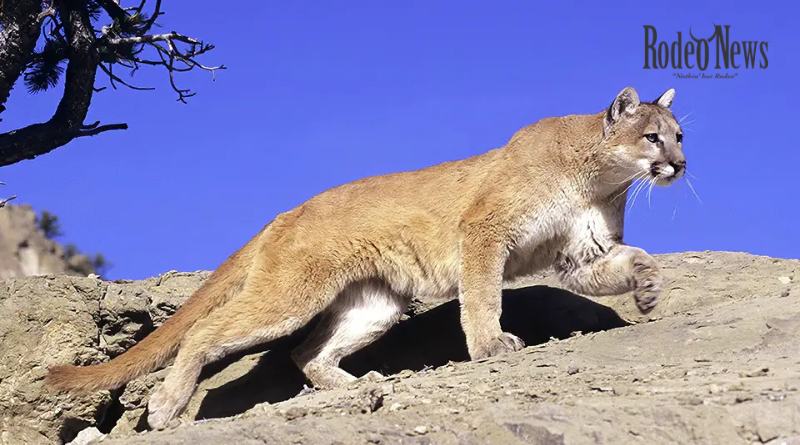
San Francisco Animal Care and Control, the San Francisco Recreation and Parks Department and the California Department of Fish and Wildlife responded to the scene. Officials monitored the area while trying to give the animal enough space to leave safely.
By Sunday, authorities believed the mountain lion had moved on toward a more natural habitat.
The encounter nevertheless attracted significant attention because mountain lions are rarely seen inside San Francisco’s densely populated urban environment.
San Francisco Mountain Lion Was Spotted in a Tree
The initial report came from a person walking a dog in the Panhandle area.
According to officials, the animal was seen climbing into a tree near Fell and Baker streets. The location sits close to the eastern portion of Golden Gate Park and is surrounded by busy roads, homes and pedestrian routes.
A Recreation and Parks ranger subsequently confirmed that the animal was in the tree, providing authorities with enough information to begin a coordinated response.
The confirmation led to an alert for people living and traveling nearby. Residents were advised to remain aware of their surroundings and avoid approaching the animal.
The situation was particularly unusual because the mountain lion was not trapped inside a building or surrounded by structures. Instead, it had climbed into a tree and had access to a potential route back toward more natural habitat.
That distinction ultimately influenced how wildlife officials handled the situation.
Why Officials Did Not Immediately Capture the Lion
One of the most important details about the San Francisco mountain lion encounter is that authorities did not immediately tranquilize or capture the animal.
Instead, officials allowed the mountain lion space and monitored the area.
Animal Care and Control said the animal was not displaying aggressive behavior. Wildlife officials also considered the setting relatively favorable because the mountain lion was in a tree with access to a possible wildlife corridor.
That meant an intervention could have created more risk than simply allowing the animal to leave on its own.
A similar situation unfolded very differently earlier this year when another young mountain lion entered San Francisco’s Pacific Heights area. That animal was eventually tranquilized and relocated after moving through a much more challenging urban environment.
In the latest incident, authorities apparently determined that patience was the safer option.
Animal Care and Control described the situation as essentially a best-case scenario because the mountain lion was not cornered and had an opportunity to return to the wild without being physically handled.
Mountain Lion Apparently Left San Francisco Overnight
By Sunday, officials said there was no longer evidence that the mountain lion remained in the original area.
Authorities believed the animal had exited the location overnight and moved through a natural corridor.
However, exactly when the mountain lion left the tree was not immediately clear.
California Department of Fish and Wildlife personnel who responded to the scene did not personally see the animal leave. San Francisco police also did not locate it during their response.
Officials used thermal-imaging technology as part of the search, but dense foliage made it difficult to determine the animal’s exact position.
That uncertainty is important.
Rather than claiming that the animal was definitively observed leaving the city, authorities said the available evidence suggested it had moved away from the area.
The City Administrator’s Office later said the mountain lion was believed to have left the area sometime overnight through a nature corridor and was no longer in the city.
A Second Possible Sighting Added More Mystery
The story became more complicated Sunday afternoon when another person reported seeing a mountain lion near the northwestern edge of Golden Gate Park.
The reported location was around 44th Avenue and Fulton Street, less than half a mile from the coast.
Wildlife experts were unable to confirm the second sighting. Rangers and animal-control personnel searched the area but did not find the animal.
Still, the reported location was significant because it was consistent with the direction authorities hoped the mountain lion would travel.
Wildlife officials said the animal could potentially use Golden Gate Park as a route toward the coast and then return toward more suitable habitat.
Mountain lions are famously elusive animals. Their ability to hide in dense vegetation can make them extremely difficult to track, even when officials know roughly where one was last seen.
That may explain why the animal effectively disappeared despite the large response.
Was the San Francisco Mountain Lion Dangerous?
There was no indication that the mountain lion displayed aggressive behavior during the incident.
Officials said the animal’s behavior was consistent with a frightened or defensive wild animal rather than one actively seeking confrontation.
That distinction matters.
Mountain lions generally try to avoid people. When one enters an urban environment, it may be moving through unfamiliar territory while searching for food, shelter or a new home range.
Experts believe young mountain lions may wander considerable distances after leaving their mother’s territory.
The San Francisco encounter may have involved a young animal searching for its own territory, according to comments reported by the San Francisco Chronicle.
Even when an animal is not behaving aggressively, however, people should not approach it.
A mountain lion remains a powerful wild predator, and sudden movements or attempts to corner the animal can create dangerous circumstances.
What Residents Should Do If They See a Mountain Lion
Authorities have urged San Francisco residents to use caution if they encounter a mountain lion.
The most important instruction is simple: do not run.
People who see a mountain lion should slowly back away while giving the animal as much space as possible. Officials have also advised residents to keep dogs on leashes and to pick up small children when appropriate.
If the animal approaches, authorities have advised people to make themselves appear larger, wave their arms and make noise.
Running can potentially trigger a predator’s instinct to chase, which is why remaining calm and facing the animal is generally recommended.
People should also avoid attempting to photograph the animal from close range or following it.
The safest outcome is for the mountain lion to have a clear route away from people.
Mountain Lions Are Not Completely Unusual in San Francisco
Although a San Francisco mountain lion sighting can cause alarm, officials say these encounters are not unprecedented.
San Francisco Animal Care and Control receives multiple mountain lion reports each year, according to statements cited by local news organizations. Most encounters do not result in the animal being captured or relocated.
The animals can travel through the Bay Area’s interconnected natural spaces.
Some mountain lions move north from the Peninsula and may pass through areas around Lake Merced, Golden Gate Park or the Presidio. When an animal finds a route through the city, it may eventually return to a more suitable habitat on its own.
This is one reason officials can sometimes prefer monitoring over immediate intervention.
The goal is not necessarily to capture every mountain lion that enters the city.
Instead, wildlife officials want to prevent dangerous encounters while allowing the animal to return to an environment where it can survive naturally.
The Latest Sighting Follows Another 2026 Encounter
The weekend incident was not the first major mountain lion encounter San Francisco has experienced in 2026.
Earlier this year, another mountain lion was spotted around Lafayette Park and later in Pacific Heights.
That animal eventually had to be tranquilized and captured before being moved to a natural environment.
The contrast between the two incidents highlights why wildlife officials assess each situation individually.
A mountain lion trapped between buildings or surrounded by people presents a different challenge from one resting in a tree with a potential escape route.
In the latest case, officials determined that allowing the animal to leave naturally was the better option.
Why Golden Gate Park Can Serve as a Wildlife Corridor
Golden Gate Park may seem like a highly urban destination, but its extensive vegetation provides cover for wildlife moving through San Francisco.
For a mountain lion, areas of dense vegetation can offer opportunities to avoid people while traveling between different parts of the region.
The reported Sunday sighting near the western end of the park was particularly encouraging to officials because the location was close to the coast.
Wildlife experts hoped the animal would continue away from densely populated areas and return toward its normal habitat.
The ability of wildlife to move through connected natural areas is increasingly important in regions where cities and undeveloped landscapes meet.
For residents, however, those corridors can sometimes bring unexpected encounters.
Officials Ask the Public to Report New Sightings
Although the immediate alert was lifted, residents were still encouraged to report any new sightings.
San Francisco Animal Care and Control asked anyone who sees a mountain lion in the city to contact the agency at (415) 554-9400.
Reporting sightings allows wildlife officials to understand where the animal may be traveling and whether additional public warnings are necessary.
Residents should avoid attempting to follow the animal or determine its destination themselves.
Instead, the safest approach is to move away, keep pets under control and provide authorities with the location and direction of travel if it can be done safely.
The San Francisco Mountain Lion Story Ends With a Rare Good Outcome
For now, the San Francisco mountain lion appears to have accomplished what wildlife officials wanted: it left the most populated part of the city without confrontation.
The animal was seen, monitored and given enough space to move away.
There were no reports of aggressive behavior or injuries connected to the encounter.
Officials also avoided an unnecessary capture operation, allowing the mountain lion to potentially return to a more natural environment on its own.
The episode serves as a reminder that San Francisco’s urban landscape exists alongside a much larger Bay Area ecosystem.
For residents, seeing a mountain lion in Golden Gate Park may be startling. For wildlife officials, however, the safest resolution can sometimes be the simplest one: give the animal room, keep people away and let it find its way home.
For now, authorities say there is no ongoing threat associated with the original Panhandle sighting. Still, residents should remain alert and report any new mountain lion sightings to San Francisco Animal Care and Control.