Trump’s Controversial 28‑Point Peace Plan for Ukraine: Concessions, Deadlines, and Geopolitical Fallout
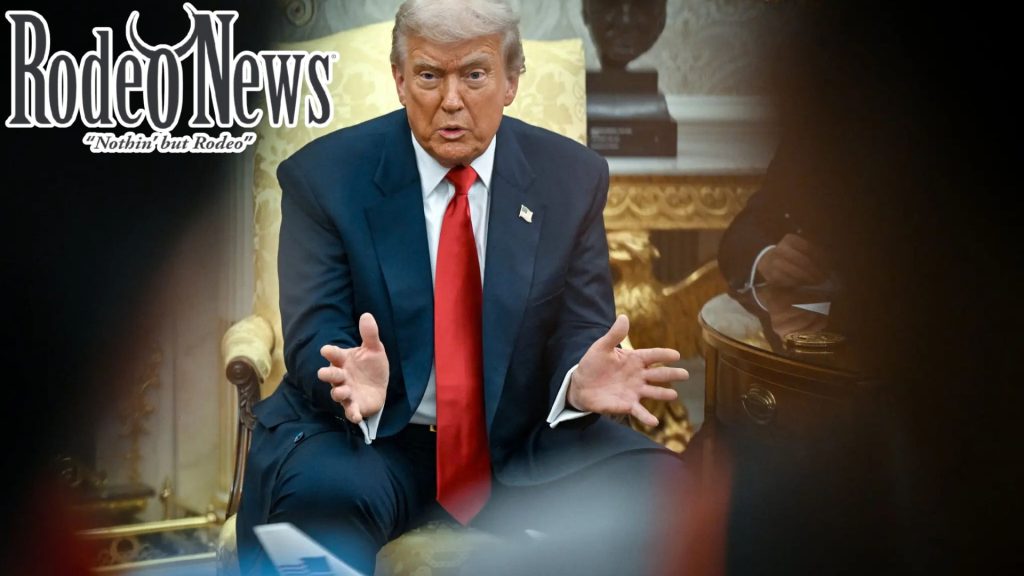
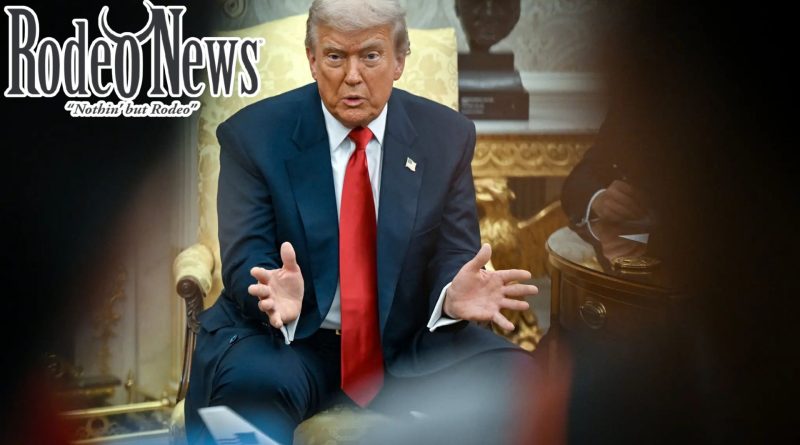
In November 2025, former U.S. President Donald Trump unveiled a sweeping 28-point draft peace plan aimed at ending the war between Russia and Ukraine. The proposal, developed with his special envoy Steve Witkoff and Russian officials, has sparked controversy by appearing to embrace many of Moscow’s long-standing demands — and imposing steep concessions on Kyiv.
Key Elements of the Plan
According to media reports, the core features of the draft include:
Territorial Concessions
Ukraine would recognize Russian control over Crimea, Donetsk, and Luhansk — areas that have been fiercely contested since 2014.
In Kherson and Zaporizhzhia, conflict lines would be “frozen” along current frontiers.
Military Restrictions
The Ukrainian army would be capped at 600,000 personnel, significantly reducing its current force size.
Ukraine would be barred from acquiring certain long-range arms, especially missiles capable of striking deep into Russia.
Neutrality & Security Guarantees
The proposal requires Ukraine to renounce NATO membership permanently.
In exchange, Ukraine would receive “reliable security guarantees” — but the plan’s language leaves many details vague.
The Guardian
A non-aggression treaty involving Russia, Ukraine, and European powers would be established, mediated by the U.S.
Economic Reconstruction
The plan foresees using $100 billion in frozen Russian assets to fund reconstruction in Ukraine.
The Guardian
Russia would be reintegrated into global economic forums, such as rejoining the G8, contingent on respecting the agreement.
Governance & Elections
Ukraine would hold national elections within 100 days of the agreement, according to the draft.
There would be programs in schools and society to promote cultural tolerance and mutual understanding.
The Guardian
Oversight Mechanism
A U.S.-led “Peace Council”, potentially chaired by Trump, would monitor compliance and help enforce the deal.
Newsweek
The IAEA (International Atomic Energy Agency) would oversee the Zaporizhzhia nuclear plant; electricity from it would be shared equally by Russia and Ukraine.
Reactions and Pushback
Russia / Putin:
Russian President Vladimir Putin publicly welcomed the plan, calling it a possible basis for a “final peace settlement.”
The Moscow Times
However, he warned that if Kyiv rejects the deal, Russia could resume its advance, citing claimed territorial gains — like in Kupiansk — as evidence of Moscow’s leverage.
Ukraine / Zelenskyy:
Ukrainian leadership has responded with caution. While Kyiv has officially confirmed receipt of the draft, many in Kyiv — including President Volodymyr Zelenskyy — view it as deeply one-sided and potentially undermining Ukraine’s sovereignty.
In parallel, Trump issued a deadline of November 27 (Thanksgiving) for Ukraine to accept his terms, a move that some interpret as an ultimatum.
Europe:
European leaders are alarmed. Many argue that the U.S. plan was negotiated without adequate consultation with European allies.
The Guardian
There is growing concern that the proposal effectively rewards Russian aggression and could destabilize the broader European security architecture.
U.S. Political Reactions:
Trump’s own party has expressed mixed views. Some Republicans support the urgency to end the war; others, including senators, argue the plan reads like Russia’s wish list, warning that conceding to many of these demands would undermine NATO’s credibility and betray U.S. allies.
Risks and Strategic Stakes
Sovereignty vs. Peace: The plan forces Ukraine to weigh the very real cost of territory and military capability against the promise of peace and reconstruction support.
Security guarantees: While the plan promises security guarantees, their enforcement mechanism and credibility remain unclear.
European exclusion: By sidelining European powers in the drafting, the U.S. risks alienating its NATO allies — potentially weakening collective security.
Precedent: If accepted, this deal could set a precedent for wartime territorial concessions, raising deep ethical and geopolitical questions.
Conclusion
Donald Trump’s 28-point proposal represents one of the most ambitious — and controversial — attempts to broker peace in the Ukraine war. While it offers a detailed framework for ending hostilities, its heavy tilt toward Russian interests, combined with tight deadlines and deep concessions, makes it a hard sell for Kyiv and a source of alarm for European allies.
Whether Ukraine ultimately accepts, rejects, or seeks to renegotiate, the plan is already reshaping diplomatic conversations about the future of European security — and testing the limits of what “peace” might cost