Fall 2026 Vaccines: What to Know Before Respiratory Virus Season
Fall 2026 vaccines are becoming available as Americans prepare for another respiratory virus season, but this year’s guidance looks different from previous years.
Leading U.S. medical organizations are stepping forward with updated recommendations for flu, COVID-19 and RSV vaccination. Their guidance comes as federal vaccine recommendations have shifted, creating uncertainty for patients, parents and health care providers.
The American Academy of Pediatrics, American Academy of Family Physicians, American College of Obstetricians and Gynecologists and Infectious Diseases Society of America have all issued guidance for their respective patient populations.
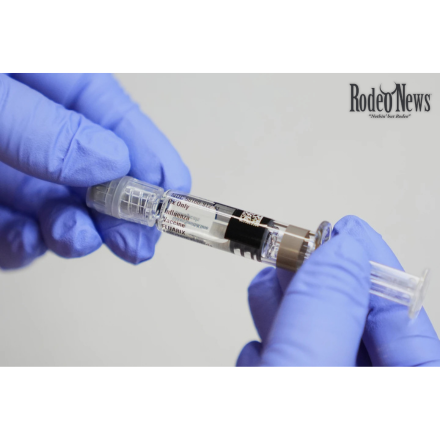
The goal is straightforward: provide people with clearer, science-based information before fall and winter respiratory illnesses become more widespread.
Here’s what to know about the Fall 2026 vaccines and the three major respiratory viruses.
1. Fall 2026 Vaccines Include Protection Against Three Major Viruses
The fall vaccination conversation is largely focused on influenza, COVID-19 and respiratory syncytial virus, commonly known as RSV.
These viruses behave differently and can affect different groups of people more severely.
Influenza is a seasonal respiratory infection that can cause fever, cough, muscle aches and fatigue. COVID-19 remains capable of causing serious illness, particularly among people at higher risk. RSV can also be dangerous, especially for older adults and infants.
Because the viruses are different, receiving one vaccine does not replace protection against another.
Medical groups are therefore encouraging eligible people to discuss the appropriate combination of vaccines with their health care providers.
The recommendations are particularly important this year because federal guidance has become more complicated.
According to the Associated Press, leading medical organizations are attempting to fill an information gap while federal health agencies work through changes in their vaccination recommendations.
2. Flu Vaccination Remains a Major Fall Priority
For most people, the annual flu vaccine remains a central part of fall prevention.
Medical groups are recommending influenza vaccination for nearly everyone age 6 months and older, with particular emphasis on people who face a higher risk of complications.
That includes older adults, pregnant people, young children and individuals with certain chronic health conditions.
The purpose of the flu vaccine is not necessarily to guarantee that a vaccinated person will never become infected.
Instead, vaccination is especially valuable because it can reduce the likelihood of severe disease and complications.
That distinction matters.
People sometimes assume that getting vaccinated is pointless if they can still catch a virus. However, preventing hospitalization and severe illness is one of the most important goals of seasonal vaccination.
When Should You Get the 2026 Flu Vaccine?
Timing is another important consideration.
Medical guidance highlighted by AP indicates that October is generally a good time for flu vaccination.
Getting vaccinated too early can sometimes mean protection has less time to remain strong later in the season. However, people should not necessarily delay vaccination indefinitely if an opportunity is available.
The ideal timing can also vary depending on age, health status, local virus activity and individual circumstances.
Anyone uncertain about timing should discuss the decision with a medical professional.
3. COVID-19 Vaccine Recommendations Have Changed
COVID-19 vaccination is one of the areas where the biggest changes have occurred.
The Food and Drug Administration approved updated COVID-19 vaccine formulations for the 2026-27 season, according to AP. The changes come as federal recommendations have become more limited than they were during earlier stages of the pandemic.
Current federal approval language focuses primarily on older adults and people with certain health risks.
However, major medical organizations continue to support vaccination more broadly, including for children when parents and health care providers determine it is appropriate.
This difference between federal policy and professional medical guidance is one reason many Americans may find the 2026 vaccination season confusing.
Patients may encounter different recommendations depending on which organization or health professional they consult.
Why Updated COVID Vaccines Still Matter
COVID-19 continues to circulate throughout the year.
Unlike influenza and RSV, which are strongly associated with colder seasons, COVID-19 can produce significant waves during warmer months.
Recent surveillance has shown increasing COVID-19 activity across much of the United States. Wastewater data indicated rising SARS-CoV-2 levels in numerous areas, although overall respiratory illness levels remained relatively low.
The updated vaccines are designed to better match viruses expected to circulate during the new season.
For people who are eligible or who are considering vaccination, the timing of an updated dose can therefore be an important discussion with a health care provider.
4. RSV Protection Is Especially Important for Certain Groups
RSV is another major focus of the Fall 2026 vaccines discussion.
Respiratory syncytial virus commonly causes cold-like symptoms, but it can lead to serious respiratory illness in vulnerable people.
Older adults are among the groups at greater risk of severe RSV disease.
Pregnancy is another important consideration because vaccination during late pregnancy can help protect newborns from RSV during their earliest months of life.
Medical organizations are also recommending RSV vaccination for certain immunocompromised people and other high-risk groups.
Unlike flu vaccination, RSV vaccination is not intended as a universal annual shot for everyone.
Eligibility depends on factors such as age, pregnancy and individual risk.
That makes it particularly important for people to check current recommendations rather than assuming that the same vaccination schedule applies to everyone.
5. Vaccine Side Effects Are Usually Temporary
Another concern during vaccination season is side effects.
The AP report notes that common side effects from flu and COVID-19 vaccines include temporary soreness at the injection site, fatigue, headache, muscle aches and mild fever.
These reactions generally resolve on their own.
Experiencing a temporary reaction after vaccination does not necessarily mean that something has gone wrong. In many cases, it reflects the body’s immune system responding to vaccination.
However, anyone who experiences severe or unusual symptoms should seek medical advice promptly.
People with questions about previous vaccine reactions, allergies, pregnancy or underlying medical conditions should discuss vaccination with a qualified health professional before receiving a shot.
Why 2026 Vaccine Guidance Is More Confusing
For many years, Americans became accustomed to receiving relatively straightforward seasonal vaccination advice.
This year is different.
Federal health authorities have changed some longstanding recommendations, while major medical organizations continue to publish their own guidance based on available evidence.
The result is a more complicated information environment.
Dr. Sandra Fryhofer of the American Medical Association told AP that confusion surrounding vaccine recommendations has become a significant problem. Medical groups say they want patients to have consistent, science-based information while the federal process remains unsettled.
That does not mean patients should ignore federal recommendations.
Rather, it means people may need to have a more detailed conversation with their health care providers about their individual risk and the benefits of vaccination.
Who Should Pay Special Attention to Fall 2026 Vaccines?
Although recommendations differ by vaccine, some groups consistently face a higher risk from respiratory infections.
These include:
- Older adults
- Pregnant people
- Young children
- People with certain chronic medical conditions
- People with weakened immune systems
- People with other factors that increase the risk of severe respiratory disease
For these groups, preventing hospitalization and serious complications can be particularly important.
Families with young children should also pay close attention to pediatric recommendations because vaccine schedules and eligibility can differ from those for adults.
Parents should not assume that adult vaccination guidance automatically applies to children.
Can Flu and COVID Vaccines Be Given Together?
People often wonder whether multiple seasonal vaccines need to be separated.
In many circumstances, vaccines can be administered during the same visit, but the appropriate schedule depends on the specific vaccines, age and individual medical circumstances.
A pharmacist, doctor or other qualified health professional can determine the appropriate timing.
The practical benefit of combining eligible vaccinations into one appointment is convenience.
Instead of requiring multiple visits, patients may be able to receive more than one recommended vaccine during the same encounter.
However, the decision should be based on current medical guidance rather than convenience alone.
Why Vaccination Is Only One Part of Respiratory Virus Prevention
Vaccination is an important prevention tool, but it is not the only one.
People can also reduce the spread of respiratory viruses by staying home when they are sick, improving ventilation, avoiding close contact with vulnerable people when ill and practicing good hand hygiene.
For COVID-19 specifically, recent health guidance also emphasizes staying home while respiratory symptoms are present and returning to normal activities after symptoms have improved overall for at least 24 hours and a person has been fever-free for 24 hours without using fever-reducing medication.
In crowded indoor environments, masks may also provide additional protection, particularly during periods of increased virus transmission.
The best approach can depend on the level of illness circulating in a community and an individual’s personal risk.
What the New Vaccine Season Means for Families
For families, the biggest challenge may not be access to vaccines but understanding which vaccines are recommended.
The answer can vary based on age, pregnancy status, health conditions and previous vaccination history.
Parents may have questions about children’s COVID-19 vaccination. Older adults may need to consider both RSV and flu protection. Pregnant people may receive recommendations designed to protect both themselves and their newborn.
That is why the current medical guidance emphasizes individualized decisions.
Rather than following a single schedule for everyone, people are increasingly being encouraged to consider their specific circumstances.
The Bigger Picture for Fall and Winter 2026
The arrival of the Fall 2026 vaccines comes at a time when respiratory virus prevention remains an important public health issue.
COVID-19 has become a continuing seasonal and year-round health concern rather than a virus confined to a single winter period.
Influenza remains a major annual cause of illness.
RSV continues to pose a particular threat to older adults, infants and other vulnerable groups.
At the same time, changing federal recommendations have made the vaccination landscape more difficult for the public to navigate.
Medical organizations are attempting to simplify that process by publishing recommendations based on current evidence and the needs of their patient populations.
Bottom Line: Check Your Vaccine Needs Before Fall Illness Spreads
The Fall 2026 vaccines season is underway, with updated flu and COVID-19 shots becoming available and RSV protection recommended for specific higher-risk groups.
The most important takeaway is that vaccination decisions are increasingly individualized.
Most people should expect influenza vaccination to remain an important part of seasonal protection. COVID-19 vaccination recommendations now depend more heavily on age and individual risk, while RSV vaccination is targeted primarily at groups most vulnerable to severe disease.
Because recommendations can change and may differ according to individual circumstances, people should check with a health care professional for advice that applies specifically to them.
As fall approaches, taking the time to understand vaccine eligibility, timing and potential benefits can help families prepare for another respiratory virus season.