
Pennsylvania Measles Outbreak Reaches Nearly 800 Cases
The Pennsylvania measles outbreak has grown to 792 confirmed cases across 39 counties, while a dispute continues over four deaths that the state has classified as measles-associated but that have not been included in the Centers for Disease Control and Prevention’s national measles death total.
The latest figures from the Pennsylvania Department of Health, released September 21, show that 25 new cases were identified since September 18. The state also reported 155 hospitalizations and four confirmed measles-associated deaths. Four vaccinated people have been identified among the state’s cases, representing less than 1% of the total.
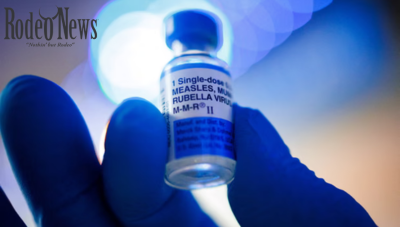
The difference between the state and federal death figures has become a major point of discussion as the outbreak continues to spread. Pennsylvania officials have publicly reported four measles-associated deaths in 2026, while the CDC dashboard currently shows no measles deaths for the year.
The CDC says the discrepancy is connected to the way national mortality data are being classified and to an effort to establish a standardized definition for deaths caused by measles.
CDC Measles Death Count Remains at Zero
The CDC’s national measles reporting system normally draws mortality information from the National Center for Health Statistics, which uses information submitted through death records.
According to the CDC, NCHS currently has no 2026 death records in which measles is listed as the underlying cause. The agency says it is working with the Council of State and Territorial Epidemiologists to develop a standardized case definition for measles deaths.
That process has created a difference between state-level reporting and the federal dashboard.
Pennsylvania’s Department of Health has classified four deaths as measles-associated. The first two were previously reported, while the state announced two additional deaths on September 15. Both of those individuals were unvaccinated, according to Pennsylvania health officials.
The state says its dashboard is intended to provide the latest information on confirmed cases, hospitalizations, deaths and community transmission.
The CDC, meanwhile, has said that its national figure will be updated as additional information becomes available and relevant reviews are completed.
Why the Death Definition Matters
The disagreement is partly about terminology.
A death certificate can contain several medical conditions, but national mortality statistics distinguish between an underlying cause and other conditions that contributed to a death. The CDC’s National Center for Health Statistics defines the underlying cause as the disease or injury that initiated the sequence of events leading directly to death.
That distinction becomes important when a patient has measles alongside another medical condition.
Pennsylvania has its own approach to identifying measles-associated deaths. The CDC is now working toward a standardized national definition that can be applied consistently across jurisdictions.
The issue has attracted criticism from some former public-health officials and medical professionals, who argue that the state’s reported deaths should be reflected more quickly in federal outbreak reporting.
Former CDC chief medical officer Debra Houry told the Guardian that the delay was unusual and argued that attention should remain focused on controlling transmission rather than on the terminology surrounding the death count.
CDC officials, however, have pointed to the ongoing process for establishing a consistent definition rather than describing the difference as a decision to erase or disregard deaths.
That distinction is important because the two figures are not necessarily measuring exactly the same thing.
Pennsylvania Cases Continue to Rise
The Pennsylvania measles outbreak has expanded rapidly during September.
The state reported 676 cases across 37 counties on September 11. By September 16, the total had reached 731 cases across 38 counties. Three days later, the state reported 767 cases and 150 hospitalizations. By September 21, the case total had risen to 792, with transmission reported in 39 counties.
The numbers show how quickly the outbreak has moved through additional communities.
Pennsylvania has described the response as a statewide public-health effort, including vaccination clinics and expanded outreach. In August alone, more than 46,000 MMR vaccine doses were administered across the state. More than 25,000 additional doses were administered during the first two weeks of September, according to the Pennsylvania Department of Health.
The state also held pop-up vaccination clinics in communities affected by the outbreak. During two days in September, health officials said 11 clinics administered more than 400 MMR vaccinations.
Pennsylvania has additionally requested assistance from the CDC through the agency’s Epi-Aid process, which can provide specialized federal public-health support during outbreaks. State officials began the formal process on September 16.
Doctors Prepare for More Measles Cases
The growing number of cases has created increasing pressure on hospitals and infectious-disease specialists.
John Goldman, an infectious-disease specialist at the University of Pittsburgh Medical Center, told the Guardian that doctors are encountering measles cases more frequently than they have in decades. He also described cases involving congenital measles, in which newborns acquire the infection around birth or before birth.
Congenital infection is particularly concerning because infants are generally too young to receive the routine two-dose MMR vaccination series.
The reappearance of measles at this scale also means many younger doctors have little direct experience treating the disease.
Goldman said he had seen measles only twice earlier in his career, in 1988 and 1992, before seeing cases again during the current outbreak. He told the Guardian that he is now treating patients with measles on a much more regular basis.
The situation demonstrates how quickly a disease that had become relatively uncommon in the United States can place new demands on health systems when community transmission increases.
Measles Can Cause Serious Complications
Measles is highly contagious and can spread through respiratory particles released when an infected person breathes, coughs or sneezes.
The Pennsylvania Department of Health says the virus can remain infectious in the air and on surfaces for as long as two hours after an infected person leaves an area. Symptoms generally begin seven to 21 days after exposure.
Early symptoms can include fever, cough, runny nose and red, watery eyes. A characteristic rash typically develops afterward, beginning on the head and spreading downward.
Most people recover, but measles can cause serious complications, including pneumonia and inflammation of the brain.
Pennsylvania’s health department says nearly 20% of people who contract measles are hospitalized. It also estimates that one to three people per 1,000 measles patients die.
Those figures help explain why health officials are closely monitoring the state’s hospitalization numbers as the case total approaches 800.
MMR Vaccination Remains Central to the Response
The Pennsylvania Department of Health continues to identify vaccination as the main tool for preventing measles transmission.
The department says two doses of the measles, mumps and rubella vaccine provide about 97% lifetime protection against measles. People with two documented doses generally do not need another dose, while adults who have only one documented dose or cannot locate their vaccination records are advised to discuss their circumstances with a healthcare professional.
The outbreak data also show that vaccinated cases remain uncommon. Pennsylvania reported four measles cases among vaccinated people, accounting for less than 1% of its confirmed cases in the September 21 update.
Vaccination also plays a community role.
Some people cannot be fully protected through vaccination because they are too young or have certain medical circumstances. When a highly contagious virus circulates, those individuals can depend partly on lower levels of transmission around them.
That makes vaccination coverage an important factor in controlling outbreaks.
A Broader National Measles Resurgence
The Pennsylvania measles outbreak is part of a wider resurgence across the United States.
The CDC’s national data showed 3,294 confirmed measles cases by September 10, 2026. Subsequent reporting raised the national total to 3,471 cases by September 17.
The national increase comes after years in which measles cases were comparatively uncommon in the United States.
Before the current resurgence, deaths from measles had been rare in the country. That makes the question of how deaths should be identified and reported particularly important for national surveillance.
Accurate surveillance allows public-health agencies to track where infections are occurring, identify high-risk communities and determine where additional resources may be needed.
It can also help healthcare providers recognize the disease sooner.
Pennsylvania and CDC Face Pressure to Clarify the Numbers
The disagreement over the four deaths has added another layer to an already significant public-health response.
Pennsylvania officials have asked the federal government for outbreak assistance while also pressing for the state’s four measles-associated deaths to be acknowledged in national reporting. Reuters previously reported that Pennsylvania’s request for federal assistance was tied to the state’s position on recognizing the four deaths.
The CDC’s position is that a standardized definition is needed before national mortality figures can be consistently classified.
The two sides therefore face a practical challenge: responding to an active outbreak while the technical framework for counting measles deaths is being developed.
For health officials, the immediate priorities remain identifying cases, tracing exposures, supporting patients and increasing vaccination coverage where necessary.
Meanwhile, hospitals are preparing for additional infections.
What Happens Next?
The Pennsylvania measles outbreak is likely to remain under close observation as health officials continue updating case and hospitalization figures.
The state’s latest report shows that transmission has now been identified across 39 counties, with 792 confirmed cases and 155 hospitalizations. The four deaths reported by Pennsylvania remain absent from the CDC’s national death total while federal officials work on a standardized definition.
The CDC says it will update its reporting as additional information becomes available and reviews are completed.
For Pennsylvania, however, the outbreak response is already underway. Health officials are expanding vaccination opportunities, monitoring new infections and working with healthcare providers across affected communities.
The central issue is no longer simply how many cases have been recorded. It is also whether transmission can be brought under control before more people become seriously ill.
As the Pennsylvania measles outbreak approaches another major milestone, state and federal health authorities will continue to face questions about the accuracy, timing and interpretation of the numbers being reported.
For now, one fact is clear: measles transmission remains active across Pennsylvania, and the state’s health system is continuing to respond to an outbreak that has already produced hundreds of hospitalizations and four state-reported measles-associated deaths.