Iran Ceasefire Revealed: 5 Critical Risks Ahead
The Iran ceasefire has brought a temporary pause to escalating tensions in the Middle East, but experts warn that the situation remains dangerously unstable. While the halt in hostilities between the United States and Iran offers short-term relief, underlying conflicts remain unresolved, raising serious concerns about a potential resurgence of violence.
This article explores the deeper implications of the Iran ceasefire, the geopolitical stakes involved, and the five critical risks that could determine whether peace will hold—or collapse.
A Fragile Iran Ceasefire, Not a Lasting Peace
The current Iran ceasefire is widely viewed as a tactical pause rather than a comprehensive peace agreement. Although military operations have slowed, there is no formal resolution addressing the root causes of the conflict.
Meanwhile, diplomatic efforts are ongoing but fragile. Analysts emphasize that ceasefires without clear frameworks often serve as temporary breathing space rather than permanent solutions. Therefore, the Iran ceasefire should be understood as a moment of de-escalation—not an endpoint.
1. Iran’s Nuclear Program Remains Unresolved
One of the most critical issues underlying the Iran ceasefire is Tehran’s nuclear program. Reports indicate that significant quantities of enriched uranium remain unaccounted for, raising alarms among global powers.
Why This Matters
- Nuclear capability directly impacts regional security
- Lack of transparency increases mistrust
- Negotiations have yet to produce enforceable limits
Moreover, without a verifiable agreement, the nuclear issue continues to be a major trigger point. As a result, any breakdown in diplomacy could rapidly escalate into renewed conflict.
2. Strait of Hormuz Tensions Continue
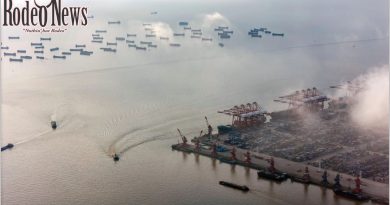
The Strait of Hormuz remains one of the world’s most strategically important waterways. Despite the Iran ceasefire, tensions in this region persist.
Key Risks
- Disruption to global oil supply
- Naval confrontations between rival forces
- Economic shockwaves worldwide
However, even minor incidents in the Strait could have massive global consequences. Therefore, the stability of this narrow passage is directly tied to the success of the Iran ceasefire.
3. Israel-Hezbollah Conflict Intensifies
While the Iran ceasefire has reduced direct confrontation between Iran and the United States, it has not stopped regional conflicts—especially between Israel and Hezbollah.
Current Situation
- Increased military activity in Lebanon
- Continued cross-border tensions
- Risk of wider regional escalation
Meanwhile, this shift in focus could complicate diplomatic efforts. If the Israel-Hezbollah conflict intensifies further, it may undermine the broader stability that the Iran ceasefire aims to achieve.
4. Military Gains Without Political Solutions
Although some reports suggest that Iran’s military capabilities have been weakened, experts caution that military success alone does not ensure long-term peace.
The Reality
- Tactical victories do not resolve ideological conflicts
- Political agreements are still missing
- Power dynamics remain volatile
Therefore, the Iran ceasefire highlights a recurring pattern in global conflicts: military outcomes must be supported by political solutions to ensure lasting stability.
5. U.S. Strategy: Balancing Pressure and Restraint
The United States appears to be pursuing a dual strategy—applying pressure on Iran while avoiding full-scale escalation.
Strategic Approach
- Maintain military readiness
- Encourage diplomatic negotiations
- Prevent broader regional war
However, this “controlled tension” strategy carries inherent risks. If miscalculated, it could either embolden adversaries or trigger unintended escalation.
The Bigger Picture: Conflict Has Shifted, Not Ended
The Iran ceasefire has not ended the conflict—it has simply transformed it. Instead of direct military confrontation, the struggle has shifted into political, economic, and strategic arenas.
Key Observations
- Diplomatic negotiations are now central
- Regional conflicts remain active
- Global powers are closely monitoring developments
Meanwhile, this shift makes the situation more complex. Unlike open warfare, these indirect pressures are harder to predict and control.
Global Implications of the Iran Ceasefire
The impact of the Iran ceasefire extends far beyond the Middle East. It influences global markets, international relations, and energy security.
Economic Impact
- Oil prices remain volatile
- Investor confidence fluctuates
- Trade routes face uncertainty
Political Impact
- Increased involvement from global powers
- Shifting alliances in the region
- Renewed focus on diplomatic solutions
For more insights on global conflict dynamics, visit:
https://www.reuters.com/world/
https://www.bbc.com/news/world
What Happens Next?
The future of the Iran ceasefire depends largely on diplomatic progress. If negotiations succeed, the ceasefire could evolve into a broader agreement. However, failure to address key issues may lead to renewed hostilities.
Possible Scenarios
- Successful negotiations leading to long-term stability
- Prolonged stalemate with ongoing tensions
- Renewed conflict triggered by unresolved disputes
Therefore, the coming weeks will be critical in determining the trajectory of the Iran ceasefire.
Expert Analysis: Why the Risk Remains High
Experts agree that the Iran ceasefire is inherently unstable due to the complexity of the issues involved.
Key Reasons
- Multiple stakeholders with conflicting interests
- Deep-rooted ideological differences
- Lack of trust between negotiating parties
Moreover, historical patterns suggest that temporary ceasefires often collapse without comprehensive agreements.
Internal Perspective (Example for Your Website)
For further analysis and updates on global conflicts, visit:
https://yourwebsite.com/middle-east-analysis
Our platform provides in-depth coverage and expert insights into evolving geopolitical situations, including the ongoing Iran ceasefire.
Conclusion: A Calm Before the Storm?
The Iran ceasefire offers a momentary pause in a highly volatile conflict, but it does not eliminate the underlying risks. With critical issues still unresolved, the possibility of renewed escalation remains high.
Ultimately, the success of the Iran ceasefire will depend on sustained diplomatic efforts and the willingness of all parties to reach meaningful agreements. Until then, the situation should be viewed with cautious optimism.