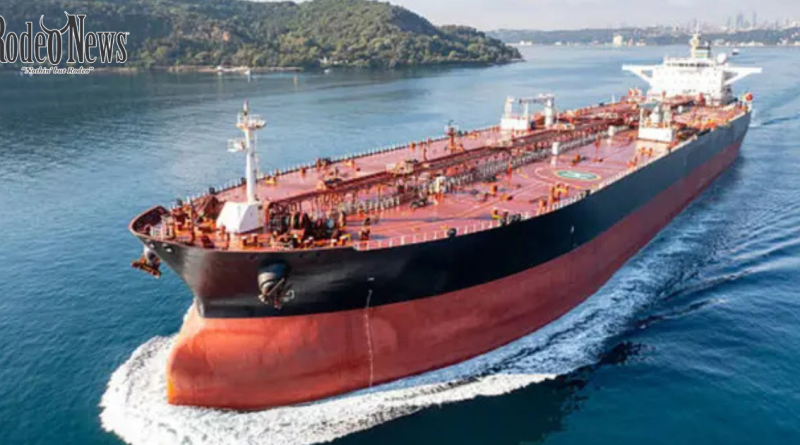
US Oil Exports 5.2M BPD Record Revealed Amid Global Supply Shock
The global energy market is undergoing a dramatic transformation as US oil exports 5.2M bpd are projected to hit a historic record, driven by supply disruptions linked to the escalating Iran war. Analysts say this surge reflects a rapidly shifting energy landscape, where geopolitical tensions are forcing nations to compete aggressively for alternative oil supplies.
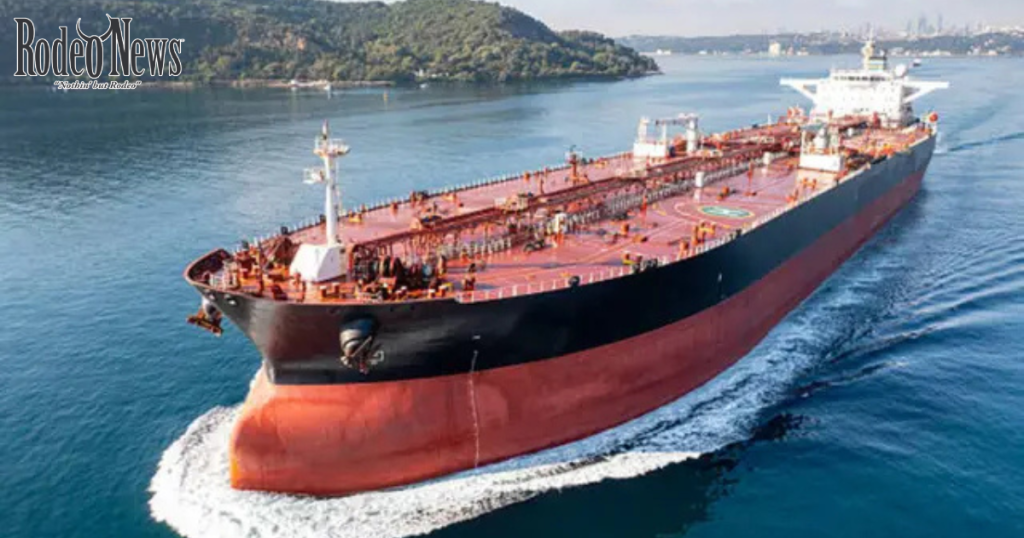
The United States, once primarily an energy importer, is now emerging as a critical stabilizing force in global oil markets. Meanwhile, ongoing disruptions in the Middle East—especially around the strategically vital Strait of Hormuz—are accelerating demand for American crude at an unprecedented pace.
Iran War Disrupts Global Oil Supply Chains
The ongoing conflict involving Iran has triggered what experts describe as the largest oil supply disruption in modern history. The closure and instability surrounding the Strait of Hormuz—a route responsible for roughly 20% of global oil flows—has severely constrained exports from key producers in the Gulf.
As a result, oil markets have tightened dramatically. Production losses across major Middle Eastern producers have reached millions of barrels per day, while shipping bottlenecks and security threats continue to limit global supply.
Recent attacks on energy infrastructure—including refineries and pipelines—have further intensified the crisis. These disruptions are not only reducing supply but also increasing volatility, pushing countries and companies to seek more reliable sources of oil.
Why US Oil Exports Are Surging
Against this backdrop, the United States has stepped in as a key alternative supplier. The projected rise to US oil exports 5.2M bpd highlights the country’s growing influence in global energy markets.
Several factors are driving this surge:
1. Strong Shale Production
The US shale revolution has enabled producers to rapidly scale output. Advanced drilling technologies and efficient extraction methods allow American companies to respond quickly to global demand spikes.
2. Strategic Geographic Advantage
Unlike Middle Eastern exporters, the US is not directly affected by disruptions in the Strait of Hormuz. This makes American crude a safer and more reliable option for buyers in Europe and Asia.
3. High Global Demand
Countries facing shortages are turning to US exports to fill supply gaps. According to recent reports, refiners worldwide are scrambling to secure shipments, creating a competitive “supply race” for available barrels.
Refiners and Exporters Reap Major Gains
The surge in exports is also boosting profitability across the US energy sector. Refiners along the Gulf Coast are operating at near-maximum capacity, with utilization rates exceeding historical averages.
This increased activity has led to:
- Record refining margins
- Higher export volumes of gasoline, diesel, and jet fuel
- Strong earnings for major oil companies
At the same time, domestic fuel prices have risen as refiners prioritize exports to capitalize on higher international prices.
Global Energy Prices Spike
The ripple effects of the Iran war and supply disruptions are being felt worldwide. Oil prices have surged sharply, with some forecasts predicting prices could exceed $100 per barrel if disruptions persist.
In fact, recent estimates suggest that oil has already climbed to levels not seen since previous global crises, driven by both physical shortages and market speculation.
Higher energy prices are contributing to:
- Rising inflation across major economies
- Increased transportation and manufacturing costs
- Pressure on central banks to maintain higher interest rates
Even if a ceasefire holds, analysts warn that it could take weeks—or longer—for prices to stabilize due to ongoing supply chain disruptions.
A New Global Oil Order Emerges
Experts believe the current crisis could mark a turning point in how global energy markets operate. The Iran war is reshaping trade flows, alliances, and pricing dynamics in ways that may have long-term consequences.
According to analysts, the situation resembles historic energy shocks such as the 1973 oil embargo, but with even broader implications.
Key changes include:
- Increased reliance on US and non-Middle Eastern suppliers
- Greater geopolitical competition for energy resources
- Heightened focus on energy security and diversification
This shift could permanently alter the balance of power in global energy markets.
Economic Impact and Inflation Risks
The surge in oil prices and supply disruptions is fueling inflation worldwide. Energy costs are a major input for nearly every sector, from transportation to agriculture.
As a result:
- Food prices are rising due to higher fertilizer and fuel costs
- Airlines are facing increased jet fuel expenses
- Manufacturing industries are experiencing higher production costs
Central banks, including the Federal Reserve and European Central Bank, are now under pressure to balance inflation control with economic growth.
Some forecasts suggest inflation could spike significantly in the near term, complicating monetary policy decisions and potentially slowing global economic recovery.
Risks and Uncertainty Ahead
Despite the surge in US oil exports, the global energy outlook remains highly uncertain.
Key risks include:
Continued Conflict
Any escalation in the Iran war could further disrupt supply and push prices even higher.
Infrastructure Vulnerability
Ongoing attacks on pipelines, refineries, and shipping routes could limit production and distribution capacity.
Market Volatility
Speculation and panic buying may amplify price swings, making it difficult for businesses and consumers to plan ahead.
Even with increased US production, analysts caution that replacing lost Middle Eastern supply entirely may not be possible in the short term.
Can US Exports Stabilize the Market?
While the rise to US oil exports 5.2M bpd is a significant milestone, it may not be enough to fully offset global supply disruptions.
The scale of the crisis—described by the International Energy Agency as the greatest energy security challenge in history—suggests that multiple solutions will be needed.
These could include:
- Increased production from other regions
- Strategic reserves releases
- Accelerated investment in renewable energy
Nevertheless, US exports are playing a crucial role in preventing an even more severe supply shortage.
Conclusion: A Defining Moment for Energy Markets
The projected record of US oil exports 5.2M bpd underscores a pivotal moment in global energy history. As the Iran war disrupts traditional supply chains, the United States is stepping into a leadership role, reshaping the flow of oil worldwide.
However, the situation remains fragile. Continued geopolitical tensions, infrastructure risks, and economic pressures mean that volatility is likely to persist.
In the months ahead, the world will be watching closely—not just to see how high US exports can climb, but whether they can help stabilize an increasingly uncertain energy landscape.