Hezbollah Commander Killed in Israeli Strike Escalates Conflict
The killing of a Hezbollah commander killed in an Israeli strike in Lebanon has intensified an already volatile conflict, raising fears of a broader regional war. The incident, reported by NPR, comes amid escalating violence between Israel and Hezbollah that has already claimed thousands of lives and displaced large populations.
The targeted strike highlights Israel’s ongoing strategy of eliminating key figures within Hezbollah, the Iran-backed militant and political organization. Meanwhile, Hezbollah has vowed retaliation, signaling that tensions are far from easing.
A Targeted Strike with Strategic Implications
According to reports, the Israeli military carried out a precise operation aimed at a senior Hezbollah commander inside Lebanon. While details about the exact identity and role of the commander remain limited, such strikes are typically intended to weaken Hezbollah’s operational capabilities.
Israel has long maintained that targeting leadership figures disrupts command structures and reduces the group’s ability to coordinate attacks. This approach has been used repeatedly in the current conflict, which has seen intensified airstrikes across Lebanese territory.
Earlier in April, Israeli forces also killed another Hezbollah commander as part of a broader campaign targeting the group’s leadership network.
The latest strike reinforces Israel’s message: no senior figure within Hezbollah is beyond reach.
Rising Tensions Across Lebanon
The killing of the Hezbollah commander comes at a time when Lebanon is already experiencing widespread devastation. Israeli airstrikes have hit multiple regions, including Beirut, southern Lebanon, and the Bekaa Valley.
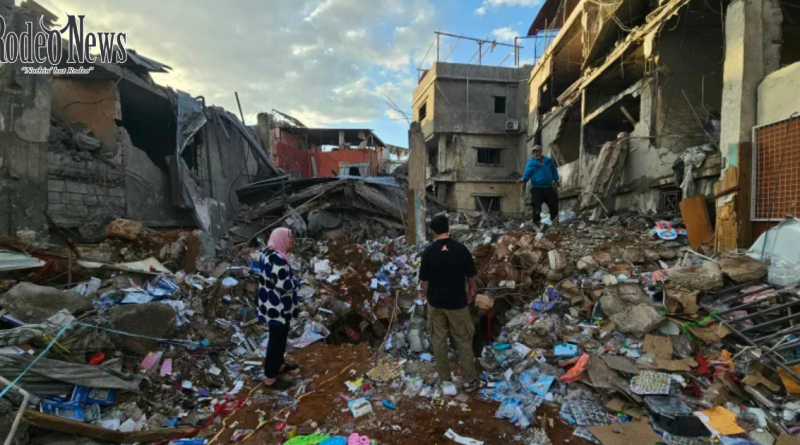
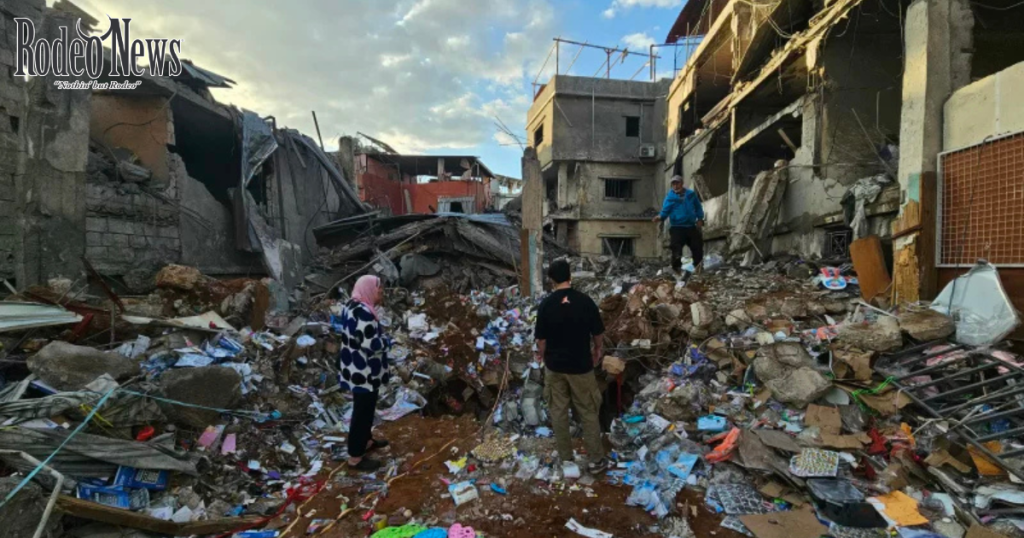
In recent days, hundreds of people have been killed in some of the deadliest attacks since the conflict began. Entire neighborhoods have been reduced to rubble, and critical infrastructure has been severely damaged.
The humanitarian impact has been staggering. More than a million people have been displaced, creating a crisis that continues to worsen as the conflict drags on.
For civilians, the escalation triggered by the Hezbollah commander killed incident adds yet another layer of uncertainty and fear.
Hezbollah’s Response and Threat of Retaliation
Hezbollah has responded to similar strikes in the past with rocket attacks into northern Israel. Following this latest development, expectations are high that retaliation could come swiftly.
The group has consistently framed its actions as resistance against Israeli aggression, emphasizing its role as a defender of Lebanon. Its leadership has also warned against any concessions to Israel, signaling a continued commitment to confrontation.
This cycle of attack and retaliation has defined the conflict, making de-escalation increasingly difficult.
A Conflict Tied to Broader Regional Tensions
The killing of the Hezbollah commander cannot be viewed in isolation. It is part of a wider regional conflict involving Israel, Iran, and allied groups.
Hezbollah’s involvement in the ongoing tensions stems from its close ties to Iran, which has been engaged in a broader confrontation with Israel and the United States. The situation has turned Lebanon into a key battleground in this larger geopolitical struggle.
Recent attempts at diplomacy, including talks between the United States and Iran, have failed to produce a ceasefire.
As a result, violence in Lebanon has continued unabated, with no clear path toward resolution.
Civilian Toll and Humanitarian Crisis
While military strategies dominate headlines, the human cost of the conflict remains immense. Civilians in Lebanon are bearing the brunt of the violence, with families displaced and essential services disrupted.
Airstrikes have struck residential areas, often without warning, leading to significant casualties among non-combatants.
The destruction of homes, schools, and hospitals has left communities struggling to survive. Aid organizations have warned that the situation could deteriorate further if the fighting continues.
The Hezbollah commander killed incident, while militarily significant, underscores a broader reality: the conflict’s impact extends far beyond the battlefield.
Israel’s Strategic Objectives
Israel has made it clear that its operations in Lebanon are aimed at neutralizing Hezbollah’s military capabilities. This includes targeting weapons depots, infrastructure, and leadership figures.
The Israeli government argues that such actions are necessary to protect its northern border and prevent future attacks. However, critics contend that the scale of the strikes has led to disproportionate civilian harm.
Israel has also indicated that its military campaign could continue for an extended period, suggesting that further escalation is likely.
Uncertain Future for Lebanon
The ongoing conflict has placed Lebanon in a precarious position. Already facing economic challenges and political instability, the country is now grappling with the consequences of a full-scale military confrontation.
The killing of the Hezbollah commander adds to the uncertainty, raising questions about how the situation will evolve in the coming weeks.
If retaliation escalates into a broader conflict, Lebanon could face even greater destruction. At the same time, diplomatic efforts remain fragile and uncertain.
International Reactions and Calls for Restraint
The international community has expressed concern over the escalating violence. Several countries and organizations have called for restraint and renewed diplomatic efforts to prevent further escalation.
However, with both sides entrenched in their positions, achieving a ceasefire remains a significant challenge.
The failure of recent peace talks highlights the difficulty of resolving a conflict deeply rooted in regional politics and longstanding tensions.
A Defining Moment in the Conflict
The Hezbollah commander killed incident represents a critical moment in the ongoing conflict between Israel and Hezbollah.
It illustrates the high stakes involved and the potential for rapid escalation. Each targeted strike carries the risk of triggering a broader confrontation, drawing in additional actors and expanding the scope of the conflict.
For now, the situation remains highly volatile, with both sides preparing for what could come next.
Conclusion
The killing of a Hezbollah commander killed in Lebanon marks another escalation in an already devastating conflict. As Israel continues its campaign against Hezbollah, and the group prepares its response, the risk of a wider war looms large.
With civilians caught in the crossfire and diplomatic efforts faltering, the path forward remains uncertain. What is clear, however, is that this latest development will have lasting implications for Lebanon, the region, and the broader geopolitical landscape.