Rubio Urges Thailand to De-Escalate Border Conflict, Return to Peace Accord
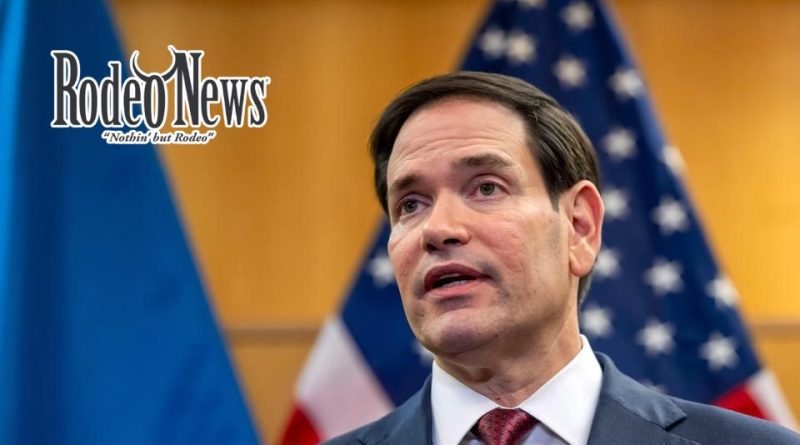
In response to escalating violence along the Cambodian border, US Secretary of State Marco Rubio has called on Thailand to take immediate steps to de-escalate tensions and return to the terms of the Kuala Lumpur Peace Accord. His remarks come as the ongoing conflict spreads, with reports of Thai airstrikes on civilian areas and a rising death toll in Cambodia.
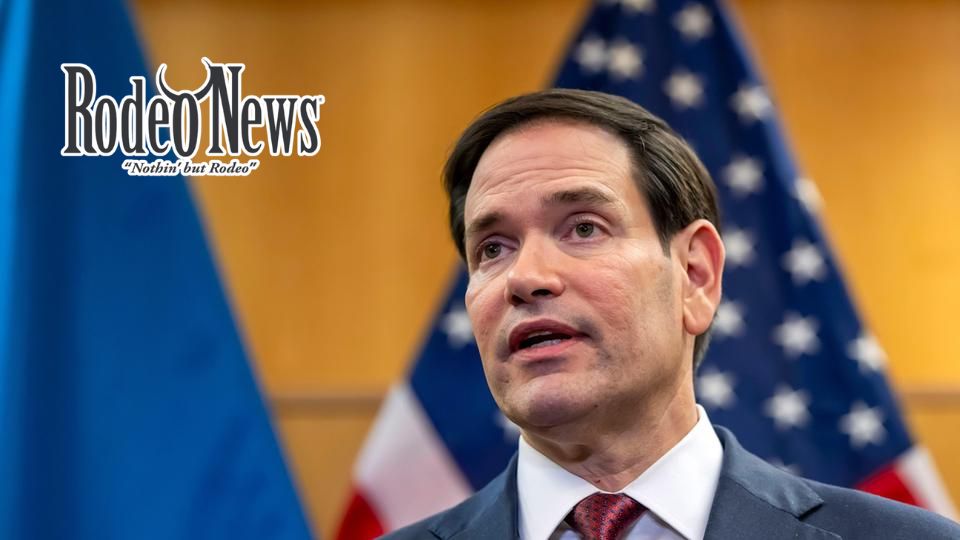
Rubio made his concerns clear during a conversation with Thai Foreign Minister Sihasak Phuangketkeow on Thursday. According to the US Department of State, Rubio emphasized the urgency of halting military operations and reducing hostilities to prevent further harm to innocent civilians.
Escalating Violence: Civilian Areas Targeted by Thai Airstrikes
The situation along the border has rapidly worsened, with Thai fighter jets reportedly striking civilian buildings in Cambodia. These airstrikes have resulted in significant damage to infrastructure, including homes, schools, and essential services. As of December 18, at least 18 civilians have been killed, and more than 79 others have been injured in Cambodia.
The violence has also caused extensive damage to public and private property. Key civilian structures, such as a primary school in Banteay Meanchey and the Victory Bridge in Pursat, have been hit in the crossfire. In the second week of fighting, artillery shelling and airstrikes continue to target residential areas, exacerbating the humanitarian crisis.
Rubio condemned the targeting of civilian infrastructure and reiterated the United States’ commitment to peace and stability in the region. “We strongly oppose any actions that put innocent lives at risk,” Rubio said. “Thailand must immediately cease military operations and return to the path of diplomacy.”
China Steps In: Facilitating Dialogue Between Thailand and Cambodia
As the violence continues, China has stepped in as a mediator, offering to facilitate talks between Thailand and Cambodia. Chinese Foreign Minister Wang Yi held separate calls with Thai Foreign Minister Phuangketkeow and Cambodian Deputy Prime Minister and Foreign Minister Prak Sokhonn on Thursday.
Wang emphasized China’s “neutral and impartial” position and expressed hope that Beijing could help broker a ceasefire. Both Thai and Cambodian officials welcomed China’s involvement, with both sides praising Beijing’s role in facilitating dialogue.
“Both sides expressed appreciation for China’s efforts and hope that China will continue to play an essential role in de-escalating the situation and helping to rebuild peace,” said a Chinese Foreign Ministry spokesperson.
Rising Humanitarian Crisis
The ongoing conflict has caused widespread suffering, with nearly half a million people displaced. The United Nations has raised alarms about the worsening humanitarian situation. Efforts to provide relief are complicated by the ongoing violence, which has disrupted essential services such as healthcare and clean water.
In addition to the civilian casualties, critical infrastructure continues to suffer. As Thai forces advance in certain border regions, the civilian toll grows heavier. More than 500,000 people have been forced to flee their homes, adding further strain to the humanitarian response.
“Every day, the situation becomes more dire,” said a UNHCR representative. “We are doing everything we can to help, but the destruction is widespread, and the needs are urgent.”
Calls for Immediate Ceasefire and Diplomacy
International leaders, including those from the United States and several European and Asian nations, have called for an immediate ceasefire and a return to the negotiating table. The United States, in particular, has expressed strong support for the Kuala Lumpur Peace Accord, which had previously helped stabilize relations between Thailand and Cambodia.
Secretary Rubio’s call for an immediate reduction in tensions reflects the US government’s commitment to peace and conflict resolution in Southeast Asia. “The United States stands ready to assist in any way possible to support a peaceful resolution to this crisis,” Rubio stated.
While diplomatic efforts are underway, the situation remains fragile, and the risk of further violence remains high. As shuttle diplomacy continues, many are hoping that a ceasefire agreement can be reached before the humanitarian crisis deepens further.
Conclusion: A Critical Moment for Peace
The ongoing conflict between Thailand and Cambodia is at a critical juncture. With both sides suffering heavy losses, the international community’s focus has shifted to diplomatic solutions. The United States and China have both played key roles in urging peace talks, but the road to a ceasefire remains uncertain.
As efforts to de-escalate the situation continue, the priority must be the safety of civilians and the restoration of peace. The hope is that Thailand, Cambodia, and international mediators can work together to end the bloodshed and return to a path of stability.