Italy Paralyzed by Mass Strikes and Protests Over Gaza
On October 3, 2025, Italy witnessed one of its most dramatic national protests in recent years as tens of thousands of citizens, backed by unions, called a general strike in solidarity with Gaza and to denounce Italy’s ongoing military and commercial ties with Israel.
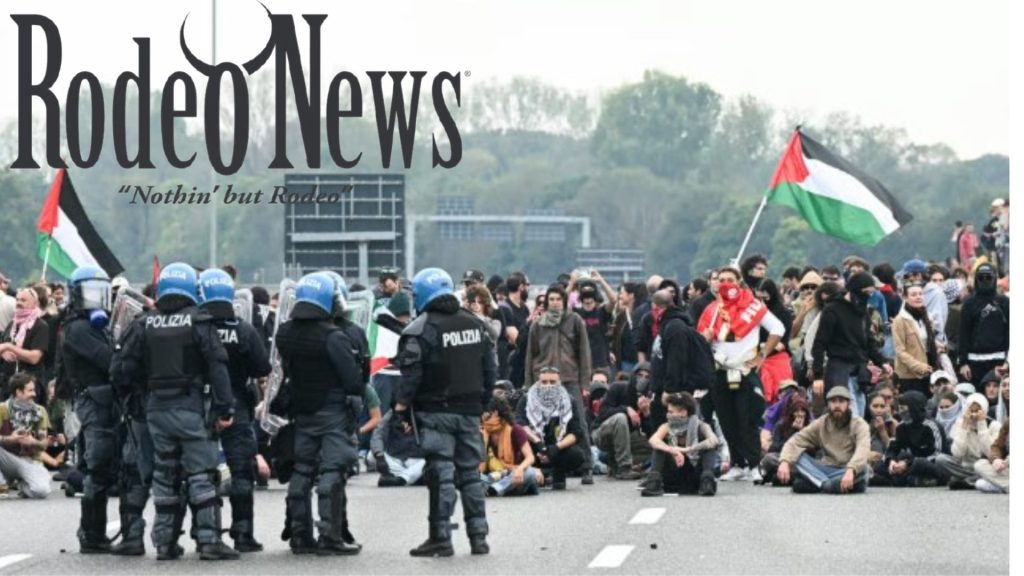
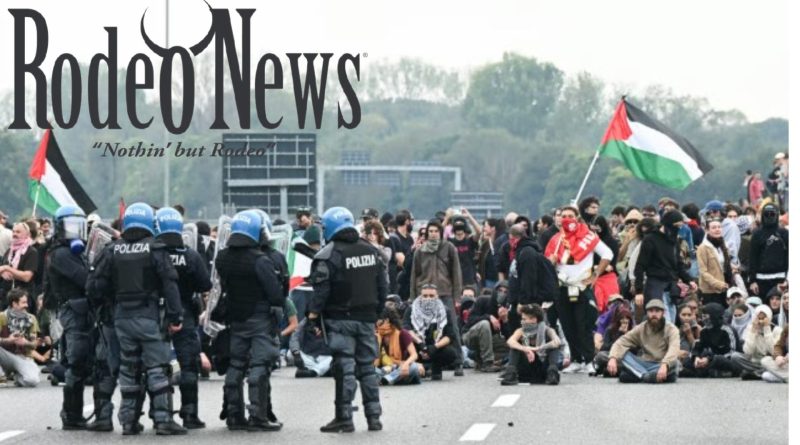
Across more than 100 cities, unions such as the CGIL organized demonstrations that interrupted transportation, education, and public services. In Rome alone, some 300,000 people took to the streets. Protesters carried Palestinian flags, union banners, and signs condemning what many called “genocide” in Gaza.
Ports were especially targeted: dockworkers in Genoa, Livorno, Trieste, and other maritime hubs halted shipments, particularly those suspected of carrying arms bound for Israel. The action had real cost: rail lines were disrupted, some airports faced runway intrusions, and local authorities scrambled to manage widespread blockades.
Roots of the Mobilization
The protests were sparked in part by Israel’s recent interception of the Global Sumud Flotilla, a humanitarian mission seeking to deliver aid to Gaza, which included dozens of Italian activists and vessels launching from Italian ports The Italian response built on earlier grassroots activism: since summer 2025, Italy has seen multiple pro-Palestinian demonstrations in cities like Bologna, Rome, Milan, and Naples.
The unions framing the strikes invoked the slogan “Blocchiamo tutto” (“Let’s block everything”), urging a broad disruption of Italy’s regular flows as a protest against complicity in Israel’s military operations. Some organizers also demanded that Italy break formal ties with Israel, halt weapon transfers, and officially recognize Palestinian statehood.
Not all union confederations joined the strike. The moderate unions CISL and UIL opted out, preferring symbolic solidarity rather than nationwide stoppages.
Political Flashpoints and Government Pushback
Prime Minister Giorgia Meloni, leading a right-wing coalition broadly sympathetic to pro-Israel stances, sharply criticized the strikes as politically motivated maneuvers. Her government also challenged the legality of the strike on procedural grounds, citing insufficient notice.
Yet the pressure from the public was palpable. Polling suggests Italians increasingly view Israel’s operations in Gaza as disproportionate or even genocidal. Analysts say Meloni is squeezed between her international allegiances and growing domestic discontent.
Opposition forces criticized the government for inaction, and some have called for Italy to formally recognize Palestine and impose trade sanctions on Israel.
Risks, Momentum, and What Comes Next
While most protests remained peaceful, isolated clashes broke out in Milan, Turin, and Rome. Vandalism, police skirmishes, and arrests surfaced in urban districts. Critics warn these episodes could undermine broader solidarity.
The protest movement faces a core test: sustaining momentum beyond symbolic days. If Italians continue to block ports or halt arms shipments, the pressure on Meloni’s administration will only intensify
Meanwhile, some analysts see broader patterns: European publics are increasingly unwilling to accept their governments’ indirect complicity in wars abroad. The question now is whether Italy’s strikes and protests will force real policy shifts—or remain gestures in a moment of moral urgency.