Israel, Hamas, and the Hostage Crisis: A Human Story in the Crossfire
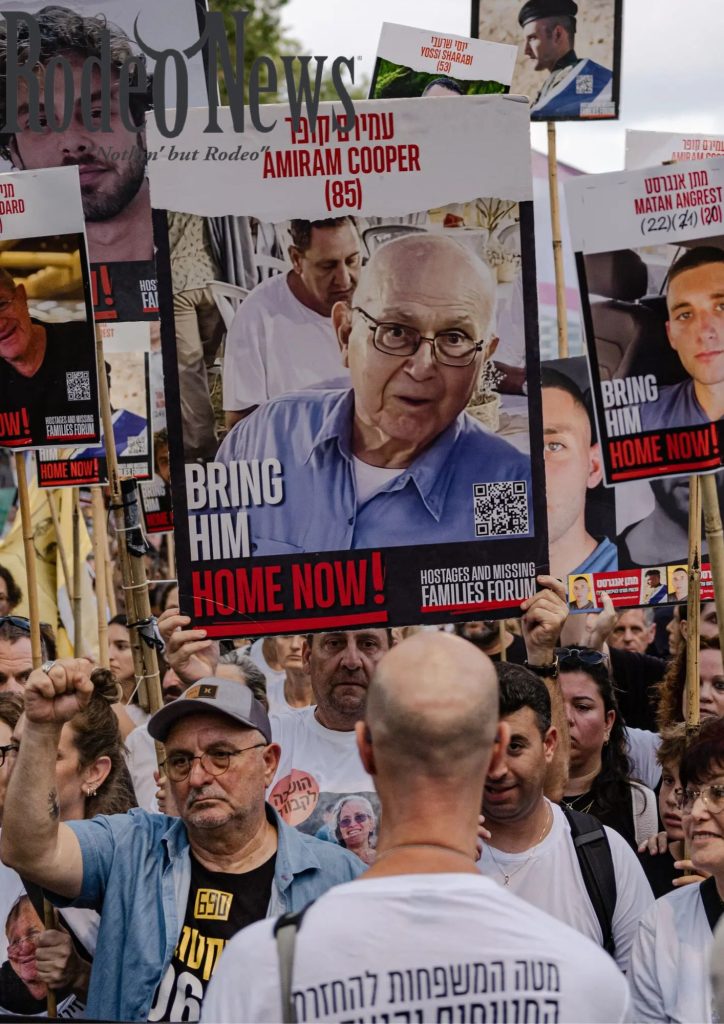
In the tense early days of October 2025, the Israel–Gaza war remains dominated by one single tragic thread: the hostages held by Hamas. Families, governments, and the world watch in agonizing suspense — and every move, every statement, carries enormous risk.
The Captivity: Lives in Limbo
Several dozen Israeli civilians and soldiers continue to be held in Gaza by Hamas, after being captured during a cross‑border raid. Some are believed to be alive; others’ status is unknown. For many families, the waiting has turned into a form of torture — not knowing whether to hope or mourn.
More than a year into the conflict, the captives’ conditions remain heavily secretive. Israel demands proof of life, humanitarian access, and a timeline for their return. Hamas, meanwhile, uses them as leverage — tying negotiations to ceasefires, prisoner exchanges, and political demands.
Diplomacy under Pressure
International mediators, including Qatar, Egypt, and others, are pushing for a deal. But progress is stymied at every turn:
- Israel insists any ceasefire must guarantee the hostages’ release.
- Hamas links the release to the lifting of blockades, prisoner exchanges, or changes in Israeli military operations.
- Families and NGOs press for immediate humanitarian access and independent monitoring of the hostages’ treatment.
Every round of talks ends with a public statement of goodwill — then returns to silence. For those directly affected, these delays feel like betrayal.
The Military Shadow
While diplomacy continues, the war rages. Israel carries out strikes and ground operations aimed at dismantling Hamas infrastructure. In some cases, hostages are believed to be located near these areas, raising the possibility that they could be caught in bombardments or collateral damage.
Hamas, for its part, may use this risk as bargaining power. Its behavior is unpredictable: it may move captives, hide them underground, or threaten to kill them if pressured. That puts every proposed ceasefire on a knife’s edge.
The Human Toll
For families, the crisis is personal:
- Parents cling to letters, messages, or vague assurances.
- Children grow up with the uncertainty of whether a missing sibling lives.
- The psychological burden is crushing: hope must persist, yet the risk of tragedy looms.
Meanwhile, on the ground across Gaza and Israel, ordinary civilians suffer from blockade, shortages, displacement, and danger.
What’s Next — And Why It Matters
The hostage issue is the hinge on which much of the conflict turns. Its resolution — or lack thereof — will reverberate far beyond the individuals involved:
- It may determine the length or severity of hostilities.
- It could reshape Israel’s domestic politics and military strategy.
- It will affect Hamas’s standing in Gaza and the broader region.
- It will influence how international mediators and powers engage going forward.
But above all, it remains a deeply moral question: how to balance military goals and security with human lives held in captivity.