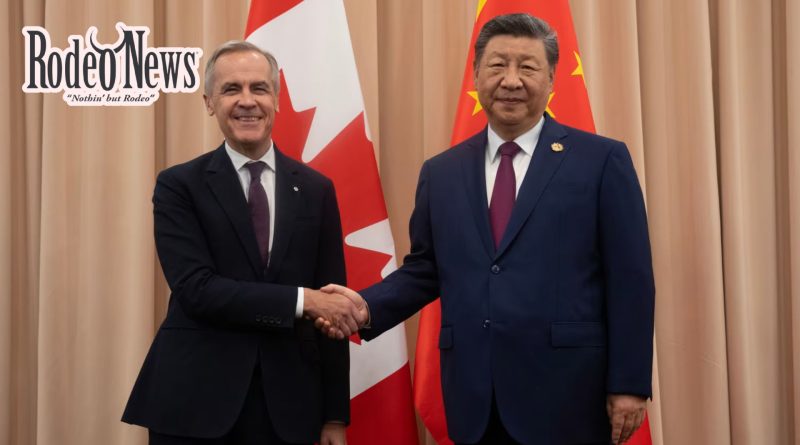
US-China-Canada Trade Tensions: New Frontiers Under Trump’s Economic Strategy
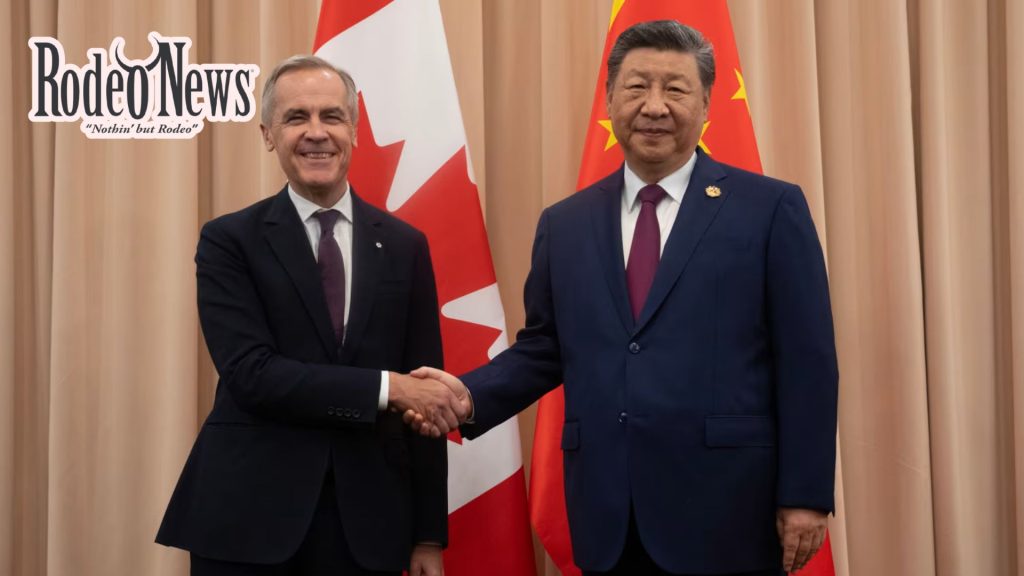
In recent months, the United States has recalibrated its economic posture toward two major partners: China and Canada. President Trump has signalled a tougher line — citing national security, drug-trafficking, and manufacturing competitiveness — and both Beijing and Ottawa are responding to changing trade parameters.
Motivations and strategic aims
For the U.S., the push involves more than simply commerce. Officials link tariff escalation to the flow of synthetic opioids and the pressure of illegal border crossings. Accordingly, the tariffs are wrapped in a security narrative, not just a trade one.
On the Chinese side, the goal appears to be defending a dominant manufacturing & export position while leveraging its role in global supply chains. Canada, meanwhile, finds itself between an historically close economic partner and a U.S. administration demanding a tighter alignment.
What’s changed
Some of the headline shifts:
The U.S. has introduced significant tariff increases on imports from Canada and Mexico, and sharply raised duties on Chinese goods.
China has retaliated, announcing new tariffs on U.S. agricultural goods including chicken, soybeans, corn and more.
Foreign Policy
Canada has warned that these developments pose “an existential threat” to its trade-dependent industries, underscoring its unwillingness to absorb unilateral U.S. pressure without pushback.
Implications for trade and global supply chains
The ripple effects are already visible:
Price pressures on U.S. consumers could rise as import costs climb.
Canadian exporters — especially in sectors like energy, automotive and agriculture — face uncertainty as duties and retaliations hang in the air.
China’s deep embedding in global value chains means any disruption has implications beyond bilateral trade: many firms in Asia, Europe and North America rely on Chinese intermediate goods.
arXiv
Institutional protections such as the USMCA (United States-Mexico-Canada Agreement) may be tested or reinterpreted as new tariff logic takes hold.
Where things could go from here
Scenarios to watch:
Negotiated settlement. All parties recognise mutual pain and strike deals to roll back or moderate tariffs.
Prolonged standoff. Tariffs remain elevated, retaliation escalates, supply-chains shift, and economic fragmentation deepens.
Selective de-escalation with hubs of conflict. Some sectors are eased (e.g., agriculture) while others (tech, critical minerals) become new battlegrounds.
Why this matters for you
Whether you’re a business leader, investor or consumer:
For companies sourcing internationally, the cost of goods and logistics may shift significantly.
For investors, sectors tied to trade (manufacturing, commodities, agriculture) may face greater volatility.
For consumers, higher manufacturing or import costs could translate into higher prices at the checkout or slower growth.
Bottom line
What we’re witnessing isn’t just another round of tariffs — it reflects a broader recalibration of how the United States sees trade, security and partner-relations. With Canada and China in the cross-hairs, the next few months could set the tone for how integrated global supply chains and partnerships evolve for years to come