Trump Says He’s “Not Happy” With Iran’s Choice of New Supreme Leader
Former U.S. President Donald Trump has criticized Iran’s reported choice for a new supreme leader, saying he is “not happy” with the development and warning it could further complicate already tense relations between Washington and Tehran.
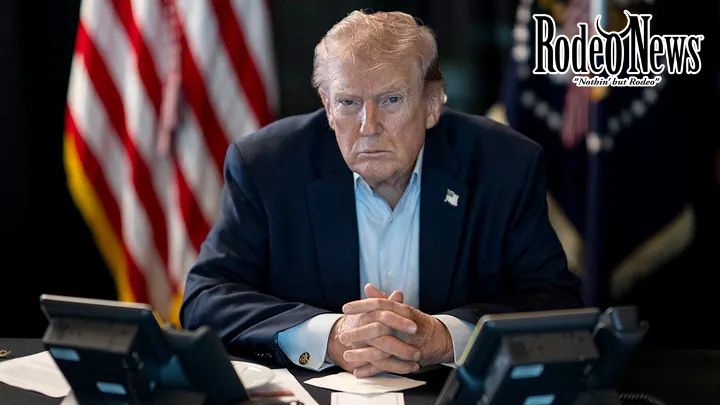
Trump made the remarks during a political appearance this week, responding to reports about potential leadership changes within Iran’s ruling establishment. His comments signal renewed scrutiny from the former president over Iran’s leadership and policies at a time when geopolitical tensions in the Middle East remain elevated.
“We’re watching it very closely,” Trump said, adding that the selection did not inspire confidence in improving relations or regional stability.
Leadership transition draws global attention
The position of Supreme Leader of Iran is the most powerful role in the country’s political system. The leader has ultimate authority over major decisions involving the military, judiciary, foreign policy and state media.
Iran’s current leader, Ali Khamenei, has held the role since 1989 following the death of revolutionary leader Ruhollah Khomeini. Over the years, speculation about who might eventually succeed him has drawn attention from international observers and governments.
Any transition in Iran’s leadership could have significant implications for the country’s domestic politics as well as its foreign relations, particularly with the United States and its regional allies.
Trump’s longstanding criticism of Tehran
Trump has long taken a hardline stance toward Iran. During his presidency, the United States withdrew from the Joint Comprehensive Plan of Action, commonly known as the Iran nuclear deal, which had been negotiated during the administration of Barack Obama.
Following the withdrawal in 2018, the Trump administration imposed sweeping economic sanctions on Tehran as part of a “maximum pressure” campaign aimed at curbing Iran’s nuclear ambitions and regional influence.
The move sharply escalated tensions between the two countries, leading to a period marked by military confrontations, diplomatic disputes and economic pressure.
Trump has repeatedly argued that the deal was flawed and failed to adequately limit Iran’s nuclear program or address its ballistic missile development and regional activities.
Concerns about future relations
Speaking about the potential leadership shift in Iran, Trump suggested the development could further complicate already strained relations between the two nations.
“We’ll see what happens,” he said, while expressing skepticism that the new leadership direction would improve the situation.
U.S.–Iran relations have remained tense for decades, shaped by deep political mistrust and periodic crises. The two countries have had no formal diplomatic relations since the Iranian Revolution in 1979 and the subsequent hostage crisis at the U.S. Embassy in Tehran.
Regional and global implications
Any change at the top of Iran’s leadership structure could influence a wide range of issues, from nuclear negotiations to regional conflicts and economic policy.
Iran plays a key role in Middle Eastern geopolitics, maintaining influence across several countries and supporting various allied groups throughout the region.
As a result, international analysts closely monitor developments surrounding the country’s leadership succession, viewing them as potential indicators of future policy direction.
For Washington, the question of how Iran’s leadership evolves remains closely tied to broader concerns about nuclear proliferation, regional security and diplomatic engagement.
Political messaging amid election dynamics
Trump’s comments also come as foreign policy increasingly becomes part of the political conversation in the United States.
The former president frequently highlights Iran as a key issue in his speeches, arguing that stronger policies are needed to counter Tehran’s influence and ensure regional stability.
While it remains unclear how Iran’s internal leadership discussions will ultimately unfold, Trump’s remarks reflect ongoing scrutiny from American political figures and underscore the global attention surrounding the country’s future leadership.
For now, the issue remains largely speculative, but analysts say any confirmed leadership transition in Tehran would likely trigger a new phase of diplomatic and geopolitical recalculations across the Middle East and beyond.