Liquid Glass Android: 5 Official Reasons It’s Dead
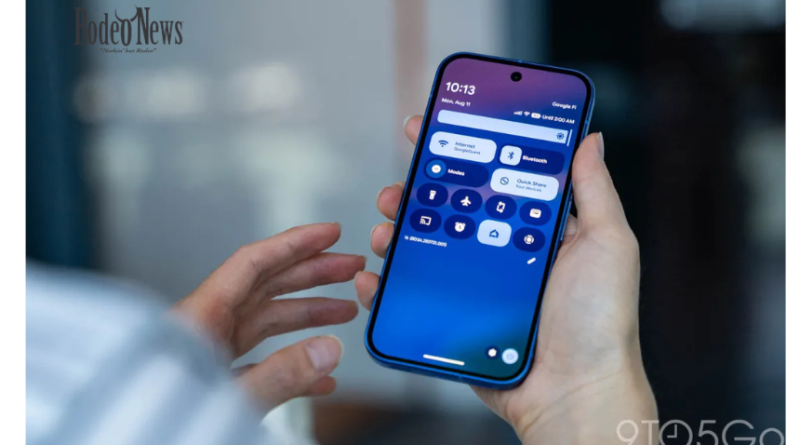
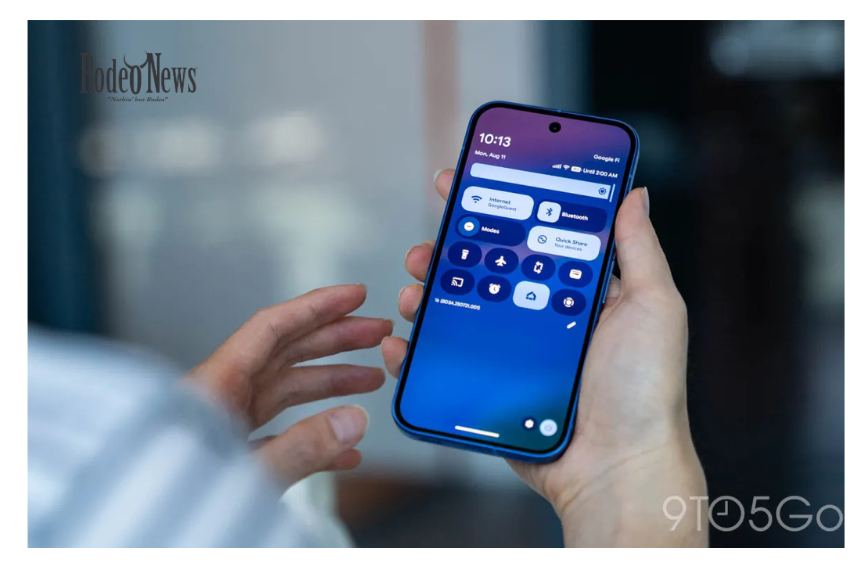
The idea of Liquid Glass Android has officially been shut down—and not quietly. In a rare direct response, Google has made it clear that the much-discussed Apple-inspired interface will not be coming to Pixel devices or core Android design.
This confirmation comes after weeks of speculation fueled by leaks, mockups, and teaser visuals ahead of Google’s upcoming Android announcements. However, the company has now drawn a firm line: Liquid Glass is not part of Android’s future—at least not in the way many expected.
So what happened? And why did Google reject a design trend that has been gaining attention across the tech industry?
Here are the five key reasons behind the decision.
1. Liquid Glass Android Rejected by Google Leadership
The clearest signal came directly from Google itself. Sameer Samat, President of the Android ecosystem, publicly dismissed the idea of Liquid Glass coming to Android.
In response to a viral mockup, he stated bluntly: “Not happening! Y’all are wild.”
This wasn’t a vague corporate statement. It was a direct denial, leaving little room for interpretation. As a result, expectations for a dramatic Apple-style redesign on Pixel devices were immediately shut down.
Meanwhile, this kind of public clarification is unusual for Google. It highlights how widespread—and perhaps misleading—the rumors had become.
2. Google Is Doubling Down on Material Design
Rather than adopting Liquid Glass Android, Google is continuing to invest heavily in its own design language.
The company has spent years refining Material Design, with the latest iteration—Material 3 Expressive—focusing on personalization, fluid animations, and usability.
This design system is not just cosmetic. It is deeply integrated into how Android works, from system navigation to app behavior.
Switching to a Liquid Glass-style interface would mean abandoning years of research and consistency. Therefore, it makes sense that Google is staying the course.
Additionally, Material Design allows Android to maintain a distinct identity. In a competitive ecosystem, visual differentiation matters more than ever.
3. Liquid Glass Android Doesn’t Align with Usability Goals
Apple’s Liquid Glass design has been described as visually striking—but also controversial.
Critics argue that the heavy use of transparency and layered effects can make interfaces harder to read and navigate.
Google, on the other hand, has consistently prioritized usability and accessibility. Its design philosophy emphasizes clarity, contrast, and intuitive interaction.
Because of this, a full Liquid Glass Android approach would likely conflict with these principles.
Instead of dramatic visual effects, Google aims to create interfaces that are easy to understand at a glance. This is especially important for a global platform used by billions of people.
4. Android 17 Will Use Blur—But Not Liquid Glass
Interestingly, Google is not ignoring visual evolution altogether.
Reports suggest that Android 17 will introduce more blur effects and subtle translucency across the interface.
However, this is not the same as Liquid Glass.
While Apple’s approach involves deep, layered transparency across the entire system, Android’s changes appear more restrained. The goal is to enhance depth without sacrificing readability.
This distinction is crucial. It shows that Google is willing to adopt certain visual trends—but only when they align with its design philosophy.
In other words, Android may look more modern, but it won’t become a copy of iOS.
5. Other Android Brands May Still Follow Apple
Even though Google has rejected Liquid Glass Android, not all manufacturers are following the same path.
Companies like Xiaomi, Oppo, and Samsung have already incorporated elements of Apple-inspired design into their Android skins.
For example, some interfaces now feature:
- Floating buttons
- Glass-like panels
- iOS-style animations
This creates an interesting divide within the Android ecosystem.
On one side, Google is maintaining a unique identity with Pixel UI. On the other, manufacturers are experimenting with trends that blur the line between Android and iOS.
As a result, users may still experience “Liquid Glass-like” designs—but not on Pixel devices.
What This Means for Pixel Users
For Pixel users, the message is clear: the familiar Android experience is here to stay.
Devices in the Pixel lineup use a clean and refined version of Android, often considered the “purest” implementation of the operating system.
By rejecting Liquid Glass Android, Google is reinforcing that identity.
This decision may also lead to:
- More consistent UI updates
- Better performance optimization
- Improved accessibility
While some users may feel disappointed, others will likely welcome the stability and clarity of the existing design.
The Bigger Picture: Android’s Design Direction in 2026
The rejection of Liquid Glass Android is not just about one feature—it reflects a broader strategy.
Google appears to be focusing on:
- AI integration (especially with Gemini)
- Subtle visual improvements
- Cross-device consistency
Meanwhile, upcoming announcements—such as those expected at “The Android Show”—could reveal how these priorities shape Android 17 and beyond.
At the same time, rumors about features like enhanced blur effects and new UI behaviors suggest that change is still coming—just not in the form many anticipated.
Internal Link
For more Android updates, visit:
https://yourwebsite.com/android-news
External Links
Conclusion
The dream of Liquid Glass Android is officially over—at least for Pixel devices.
Google has made a deliberate choice to prioritize its own design language, focusing on usability, consistency, and long-term vision. While some Android manufacturers may continue experimenting with Apple-inspired aesthetics, Google is clearly charting a different path.
In the end, this decision highlights an important truth: not every trend is worth following.
And for Android, staying unique might be the most powerful design choice of all.