Trump Says U.S. Will Boycott G20 Summit in South Africa Over Alleged “White Genocide
Former U.S. President Donald Trump has declared that the United States will boycott this year’s 2025 G20 Summit in Johannesburg, South Africa, citing what he described as a “white genocide” against non‑black farmers in the country.
In a post on his social media platform, Trump called it “a total disgrace that the G20 will be held in South Africa”.
He asserted that white South African farmers — the Afrikaners and others descended from European settlers — are being “killed and slaughtered, and their land and farms are being illegally confiscated.”
Trump said no U.S. officials will attend the summit unless these human‑rights abuses stop, and he floated hosting the 2026 G20 in Miami, Florida.
Background of the dispute
Tensions between the U.S. and South Africa escalated after the South African government introduced a new expropriation law in January aimed at addressing land‑ownership disparities following the end of apartheid.
The law allows the state in certain circumstances to expropriate land without compensation, a move the government says is about redistribution, not confiscation.
In May, Trump granted asylum to 59 white South Africans under a programme that the U.S. government described as offering sanctuary from racial discrimination.
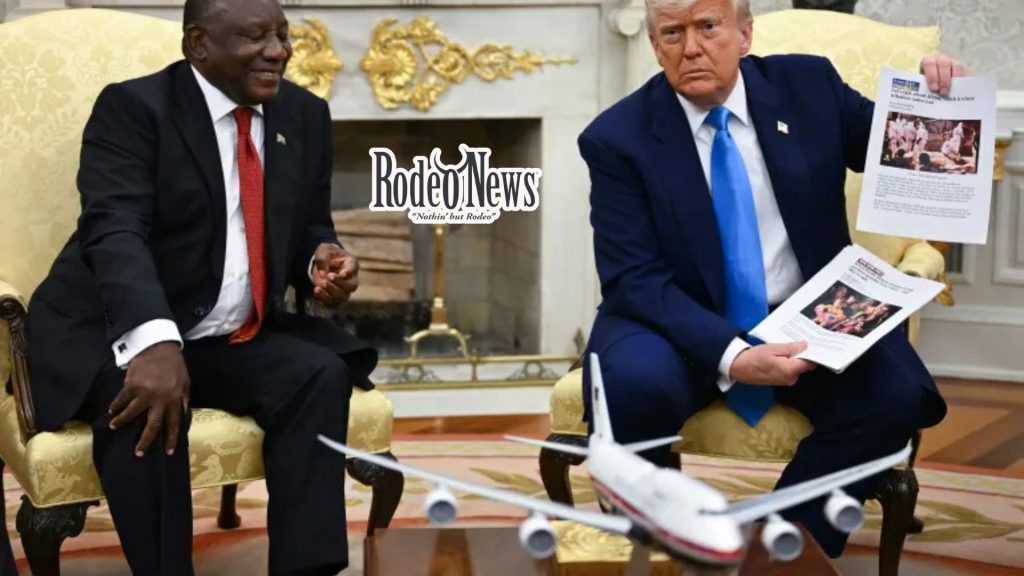
During a White House meeting with South African President Cyril Ramaphosa, Trump presented screenshots of a video he claimed documented mass killings of white farmers—claims that were later shown to be false.
Expert assessments and South Africa’s response
South Africa’s government has rejected the genocide claims. In response to Trump’s remarks, President Ramaphosa pointed out the presence of white South Africans thriving in the country to dismiss the notion of a systemic campaign of violence.
Historian Saul Dubow of the University of Cambridge told Al Jazeera that there is “no merit to Trump’s fantasy claims of white genocide”.
Implications for the G20 summit
With the U.S. either fully boycotting or significantly downgrading its representation at the G20, the summit scheduled for November 22–23 in Johannesburg faces a diplomatic setback for one of its founding members.
The absence of a major power like the U.S. may affect the tone and outcomes of the meeting.
It remains to be seen whether other member nations will follow the U.S.’ lead or express their own concerns about South Africa’s policies. Meanwhile, the spotlight will fall on South Africa: as host, it must navigate both logistical and reputational challenges amid this controversy.
Looking ahead
Trump’s declaration raises broader questions around the intersection of foreign policy, human‑rights rhetoric, and bilateral relations. The U.S.–South Africa relationship appears poised for further strain unless diplomatic engagement eases the tensions.
As the world watches the upcoming G20 in Johannesburg, observers will be assessing whether the absence of U.S. officials weakens the summit’s impact — or perhaps amplifies other nations’ voices in shaping the agenda