Dengue Fever Spreads in Florida as Local Mosquito-Borne Cases Rise in 2026
Dengue Fever Florida is becoming a growing public health concern after dozens of residents contracted the mosquito-borne virus without leaving the state. Health officials have confirmed an increasing number of locally acquired infections across several Florida counties, signaling that dengue is no longer only a travel-related disease in the United States.
New York Post+1
The virus, commonly known as breakbone fever, earned its nickname because of the severe muscle, joint, and bone pain it can cause. While dengue has long been widespread across tropical regions including Southeast Asia, the Caribbean, and Central America, Florida is now seeing local transmission driven by infected mosquitoes already living within the state.
New York Post+1
Public health experts say the situation highlights the importance of mosquito control, surveillance, and personal protection during Florida’s warm and humid mosquito season.
Florida Records Nearly All Locally Acquired Dengue Cases in the U.S.
Florida has reported 39 locally acquired dengue fever cases during 2026, according to preliminary health surveillance data. Nationally, only 40 locally transmitted cases have been identified, meaning Florida accounts for nearly every confirmed domestic infection this year. One additional locally acquired case has been reported in Virginia.
New York Post+1
The confirmed local infections have been concentrated in several counties along Florida’s Gulf Coast, including:
- Hillsborough County (Tampa area)
- Pinellas County (St. Petersburg area)
- Citrus County
These infections differ from travel-related cases because patients became infected by mosquitoes within Florida rather than during international travel.
New York Post+1
Health officials continue monitoring mosquito populations and conducting surveillance in affected communities to reduce the risk of additional transmission.
What Is Dengue Fever?


4
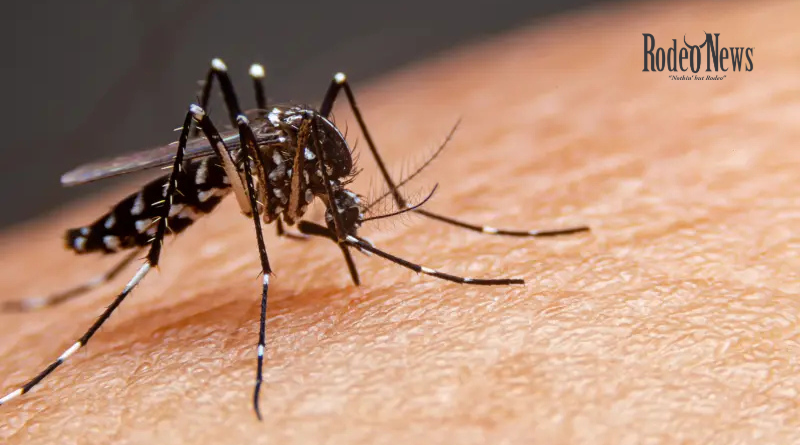
Dengue fever is a viral disease transmitted through the bite of infected Aedes aegypti and Aedes albopictus mosquitoes. These mosquitoes also spread viruses responsible for Zika, chikungunya, and yellow fever.
New York Post+1
Unlike mosquitoes that primarily bite at night, Aedes mosquitoes are aggressive daytime biters, especially during early morning and late afternoon.
Why Is It Called Breakbone Fever?
The nickname “breakbone fever” comes from one of dengue’s hallmark symptoms: extremely painful muscles and joints that can make patients feel as though their bones are breaking. Although many infections are mild, the pain can be debilitating for several days.
New York Post
How Dengue Spreads


The virus spreads through a simple cycle:
- A mosquito bites someone infected with dengue.
- The mosquito becomes infected.
- That mosquito bites another person.
- The virus spreads to the new host.
Dengue does not spread directly from person to person through casual contact, coughing, or touching. However, infected people can indirectly contribute to transmission if mosquitoes bite them while the virus is active in their bloodstream.
New York Post+1
Why Dengue Fever Is Increasing in Florida
Several environmental and public health factors are contributing to Florida’s growing dengue risk.
1. Warmer Temperatures Expand Mosquito Habitat
Scientists say warmer weather allows Aedes mosquitoes to survive across larger portions of the United States. Research cited by health authorities suggests roughly 75% of the U.S. is now suitable habitat for these mosquitoes during parts of the year.
New York Post+1
Higher temperatures also speed up mosquito breeding and virus replication.
2. International Travel Introduces the Virus
Many dengue infections still originate from travelers returning from endemic countries. If local mosquitoes bite infected travelers, they can begin spreading the virus within Florida communities.
New York Post+1
3. Heavy Rainfall Creates Breeding Sites


6
Florida’s rainy season creates abundant standing water where mosquitoes lay eggs, including:
- Flower pots.
- Buckets.
- Bird baths.
- Gutters.
- Tires.
- Outdoor containers.
Even small amounts of water can become mosquito breeding sites within days.
Symptoms of Dengue Fever Everyone Should Know


6
Symptoms usually appear 4 to 10 days after an infected mosquito bite.
Common Symptoms
People with Dengue Fever Florida infections may experience:
| Symptom | How Common? |
|---|---|
| High fever | Very common |
| Severe headache | Common |
| Pain behind the eyes | Common |
| Muscle and joint pain | Very common |
| Nausea or vomiting | Common |
| Skin rash | Common |
| Extreme fatigue | Common |
Many people recover within one to two weeks with supportive care.
New York Post+1
Severe Dengue Warning Signs


6
Health authorities warn that approximately 1 in 20 dengue patients develops severe disease, which can become life-threatening within hours.
New York Post+1
Seek emergency medical care if symptoms include:
- Severe abdominal pain.
- Persistent vomiting.
- Bleeding gums or nose.
- Blood in vomit or stool.
- Difficulty breathing.
- Extreme weakness or confusion.
Without timely treatment, severe dengue can lead to shock, organ failure, internal bleeding, and death.
New York Post+1
Which Areas of Florida Are Most at Risk?


5
Current surveillance has identified clusters in western Florida, but experts warn that additional counties could see local transmission wherever infected mosquitoes are present.
New York Post+1
Communities with higher mosquito activity may face increased risk, particularly during late summer and early fall.
Residents should remain alert even outside known outbreak zones because mosquitoes travel locally and breeding sites can emerge quickly.
Is Dengue Becoming Endemic in the United States?
The United States still considers most dengue infections travel-related, but locally acquired outbreaks have become more frequent.
A Growing Trend Since 2024
The CDC has documented increasing dengue activity over recent years, including significant spikes during 2024 and continued surveillance throughout 2026.
Dengue+1
Experts say localized outbreaks have occurred in:
- Florida.
- California.
- Texas.
- Puerto Rico.
- Hawaii (previous outbreaks).
These outbreaks remain relatively limited, but repeated introductions increase the possibility of seasonal transmission where Aedes mosquitoes are established.
Dengue+1
How Doctors Diagnose Dengue Fever


6
Doctors diagnose dengue using:
- Blood tests detecting dengue virus.
- Antibody testing.
- PCR testing during early infection.
Testing is particularly important for patients with recent mosquito exposure or travel history.
Healthcare providers also evaluate symptoms and platelet counts because dengue can reduce blood platelets, increasing bleeding risk.
Dengue+1
Is There a Treatment for Dengue Fever?


5
There is currently no specific antiviral treatment for dengue fever.
Recommended Care Includes
- Plenty of fluids.
- Rest.
- Acetaminophen for fever and pain.
- Monitoring symptoms closely.
Health officials recommend avoiding ibuprofen, aspirin, and naproxen unless directed by a physician because they may increase bleeding risk in dengue patients.
New York Post+1
Hospital Treatment
Severe cases may require:
- Intravenous fluids.
- Blood pressure monitoring.
- Blood transfusions in rare cases.
- Intensive care if organ failure develops.
Early medical attention dramatically improves survival rates.
How to Prevent Dengue Fever in Florida
Prevention remains the most effective defense against Dengue Fever Florida.
Protect Yourself From Mosquito Bites


6
Health authorities recommend:
- Use EPA-approved insect repellent containing DEET, picaridin, IR3535, or oil of lemon eucalyptus.
- Wear long sleeves and long pants outdoors.
- Stay indoors when mosquitoes are most active if possible.
- Use window screens and air conditioning.
- Sleep under mosquito nets when needed.
New York Post+1
Remove Standing Water Around Your Home


6
Every week:
- Empty containers holding rainwater.
- Clean gutters.
- Change birdbath water.
- Cover rain barrels.
- Dispose of unused tires.
These simple actions reduce mosquito breeding significantly.
Who Is Most Vulnerable to Severe Dengue?
Some groups face a greater risk of complications:
- Infants and young children.
- Older adults.
- Pregnant women.
- People with weakened immune systems.
- Individuals previously infected with a different dengue virus type.
A second infection with another dengue strain can increase the risk of severe disease because of the body’s immune response.
Dengue+1
What Travelers Should Know


4
Florida residents traveling to tropical destinations should continue protecting themselves from mosquito bites.
After returning home:
- Watch for fever within two weeks.
- Avoid mosquito bites if you become sick.
- Seek medical evaluation if symptoms develop.
This helps reduce the chance of local mosquitoes becoming infected.
New York Post+1
Is There a Dengue Vaccine?
A dengue vaccine exists in the United States, but its use is highly limited.
According to CDC guidance, the vaccine is recommended only for certain people who:
- Have previously had dengue.
- Live in areas where dengue is endemic, such as Puerto Rico.
- Meet specific eligibility criteria.
It is not recommended for most travelers or people who have never been infected because vaccination before a first infection may increase the risk of severe illness later.
New York Post+1
Why Public Health Officials Are Concerned


6
Although Florida’s outbreak remains relatively small compared with major outbreaks in Latin America and Southeast Asia, health officials say local transmission demonstrates that dengue can establish seasonal cycles where mosquito populations are abundant.
Dengue+1
Officials are emphasizing:
- Expanded mosquito surveillance.
- Community mosquito control.
- Faster case reporting.
- Public education campaigns.
These efforts aim to prevent isolated clusters from becoming larger outbreaks.
What Residents Should Do Now
Anyone living in Florida should take mosquito prevention seriously during the remainder of mosquito season.
Quick Prevention Checklist
- Use mosquito repellent every day outdoors.
- Eliminate standing water around your property.
- Wear protective clothing in mosquito-prone areas.
- Seek medical care if you develop fever, rash, and severe body pain.
- Follow local health advisories if dengue cases are reported in your county.
Conclusion
The rise in Dengue Fever Florida cases marks an important shift in how mosquito-borne diseases affect the United States. With 39 locally acquired infections confirmed in Florida during 2026, health officials are urging residents to remain vigilant as Aedes mosquitoes continue expanding their range.
New York Post+1
While most dengue infections are mild, severe cases can become life-threatening without prompt medical care. Because there is no specific cure for dengue, prevention through mosquito bite protection and eliminating breeding sites remains the most effective strategy.
As Florida continues surveillance and mosquito-control efforts, residents and travelers alike are encouraged to recognize symptoms early, reduce mosquito exposure, and stay informed about local public health updates.