Iran-US Talks: Tehran Says ‘Guiding Principles’ Agreed After Constructive Geneva Meeting
Diplomatic efforts between Iran and the United States edged forward this week after Tehran described the latest round of indirect negotiations in Geneva as “more constructive,” announcing that both sides had agreed on “general guiding principles” for a potential deal on its nuclear programme.
The discussions, mediated by Oman and lasting more than three hours, focused on setting parameters for limiting Iran’s nuclear activities under international supervision. While there was no immediate public response from Washington, Iranian officials suggested that the groundwork had been laid for drafting a more formal agreement.
“We have begun the path toward an agreement,” Iran’s foreign minister, Abbas Araghchi, said after the meeting. “Good progress was made compared to the first round. But reaching a final deal will take time.”
Indirect Diplomacy in Geneva
The Geneva meeting marked the second round of talks this month, following earlier discussions held on 6 February. Negotiations have been conducted indirectly, with Omani intermediaries shuttling messages between the delegations.
At the heart of the discussions is Iran’s stockpile of highly enriched uranium and the potential return of comprehensive inspections by the International Atomic Energy Agency (IAEA).
Iran has reportedly offered to dilute its 40 kilograms of uranium enriched to 60% purity — a level close to weapons grade and far beyond what is required for civilian nuclear energy. Downblending such material into lower-enriched uranium is a known and verifiable technical process, but the key sticking point remains the scope and duration of any suspension of enrichment.
Tehran has insisted it will not relinquish what it describes as its sovereign right to enrich uranium domestically — a longstanding demand from Washington.
A Region on Edge
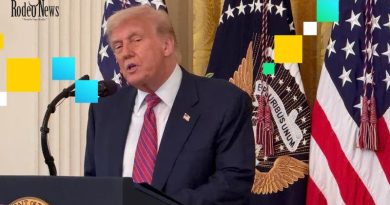
The talks unfolded against rising military tensions in the Gulf. Former US president Donald Trump, who has returned to office amid renewed pressure on Tehran, recently pointed to increased US naval deployments in the region, signaling both openness to a deal and readiness to escalate if diplomacy falters.
Iran’s supreme leader, Ali Khamenei, responded sharply to the presence of US warships near Omani waters, warning that while warships may appear formidable, more dangerous weapons could send them “to the bottom of the sea.”
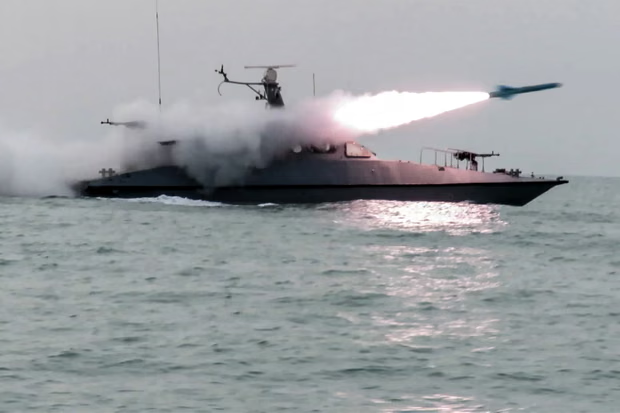
Tehran simultaneously announced temporary closures in parts of the Strait of Hormuz for live-fire naval exercises. Though limited in scope, any disruption in the narrow maritime passage — through which roughly a fifth of global oil shipments transit — would send shockwaves through international energy markets.
The juxtaposition of diplomacy and military signaling reflects the delicate balance both sides are attempting to maintain: negotiating without appearing weak.
Verification at the Core
Verification remains central to any potential breakthrough. Araghchi met with IAEA director general Rafael Grossi prior to the Geneva talks, underscoring the importance of restoring full inspection access.
Previous negotiations between Tehran and the IAEA over inspection protocols broke down earlier this year, particularly concerning access to three bombed nuclear sites. While a limited number of inspectors remain in Iran, they currently lack detailed knowledge of the extent of damage inflicted by US strikes or how quickly centrifuges could be reactivated.
Any lasting agreement would require the full return of IAEA inspectors, including access to sensitive facilities — a politically sensitive issue inside Iran.
Lines Tehran Won’t Cross
Throughout the negotiations, Iranian officials have reiterated that the country’s ballistic missile programme and regional alliances — often referred to by Western officials as proxy networks — are not on the table.
Instead, Tehran has sought to narrow the focus strictly to nuclear constraints and sanctions relief.
Iran has also reportedly floated broader confidence-building measures, including a potential non-aggression pact with the US and possibly Israel, alongside economic incentives framed as a “prosperity package.”
However, Trump has at times complicated the diplomatic messaging. While he has suggested that Iran seeks a deal, he has also publicly mused that the “best outcome” would involve leadership change in Tehran — a statement unlikely to foster trust at the negotiating table.
Domestic Pressures Mount
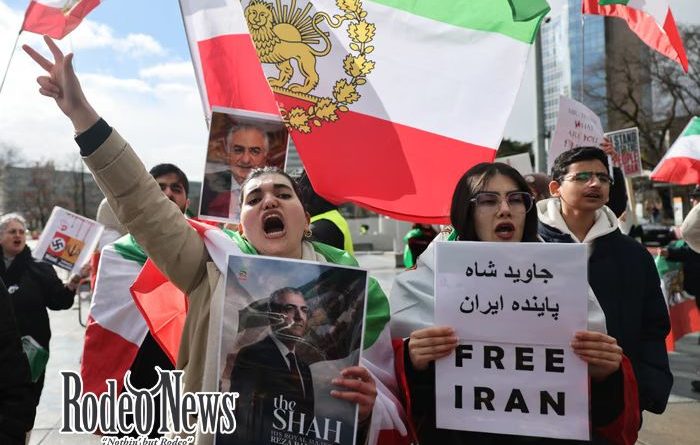
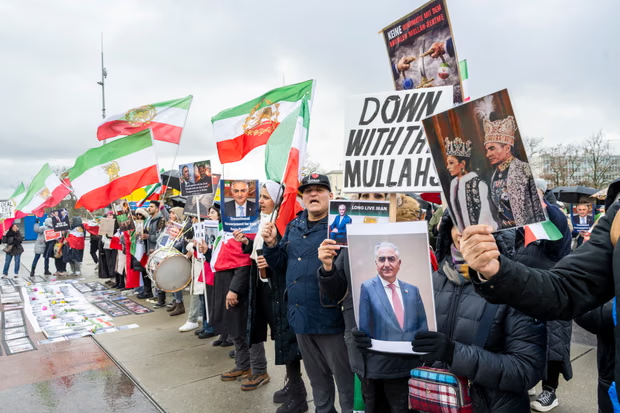
The Geneva talks are taking place amid significant internal unrest in Iran. Protests have resurfaced in cities including Mashhad, where large crowds gathered to mark the 40th day since killings linked to recent demonstrations.
Authorities say more than 10,000 protesters have been summoned for trial, according to judiciary figures. Reports of forced confessions and restrictions on legal representation have intensified criticism from rights groups.
Reformist figures continue to face legal pressure. Several political activists have been arrested or sentenced in recent days, while others were released on bail following reported intervention by President Masoud Pezeshkian.
The internal turbulence adds another layer of complexity to negotiations. For Iranian leaders, a deal that brings sanctions relief could help stabilize an economy strained by years of restrictions. Yet conceding too much risks backlash from hardline factions.
Cautious Optimism — With Limits
Despite the diplomatic movement, significant gaps remain. Discussions are expected to move toward exchanging draft texts, with another round of talks potentially scheduled in the coming weeks.
“The path has started,” Araghchi said, signaling progress but tempering expectations. “That does not mean we can reach an agreement quickly.”
For now, both sides appear to be testing the waters — balancing diplomatic engagement with military signaling and domestic political calculation.
The coming weeks will determine whether the “guiding principles” outlined in Geneva evolve into a substantive agreement or join the long list of stalled nuclear negotiations between Tehran and Washington.