Russian Strikes Hit Kyiv Energy Infrastructure as Ukraine Faces New Power Disruptions
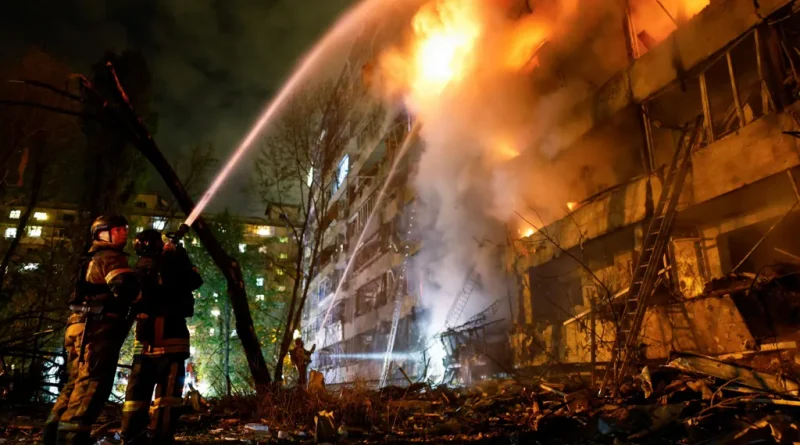
Russian attacks on Ukraine’s energy infrastructure have raised fresh concerns about electricity supplies, civilian safety, and preparations for the coming winter. Strikes reported in Kyiv and the surrounding region on October 13–14 have disrupted power supplies, adding pressure to an energy system that has repeatedly faced attacks during the war.
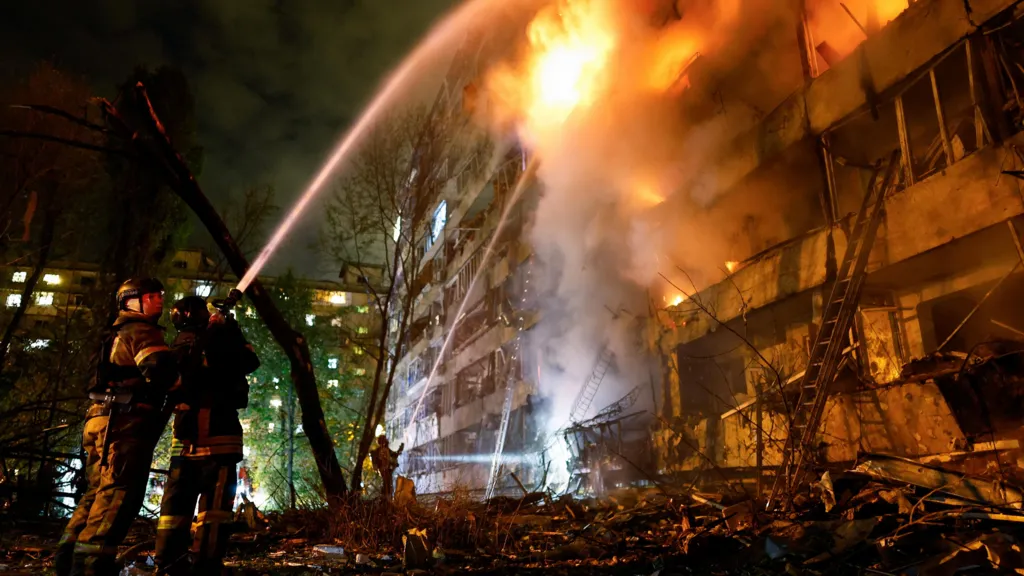
Ukrainian officials reported damage to energy facilities and residential infrastructure following the latest assault. The attacks highlight the continuing vulnerability of critical infrastructure as Ukraine attempts to maintain essential services while defending its cities against Russian missiles and drones.
The situation also raises questions about the prospects for an energy ceasefire and whether diplomatic efforts can prevent further attacks on facilities that supply electricity and heating to millions of people.
Russian Attacks Put Kyiv’s Energy Supply Under Pressure
Kyiv remains an important center for Ukraine’s government, industry, transportation, and civilian life. Damage to major energy facilities can therefore have consequences extending beyond the immediate location of a strike.
Reports about the latest attacks describe damage to a combined heat and power facility in the capital, along with other energy infrastructure. These facilities are particularly important because they can supply both electricity and heat, making them essential to urban life as temperatures begin to fall.
Kyiv Mayor Vitali Klitschko reported casualties following the attacks, according to reporting referenced in coverage of the incident. The extent of damage and the time required to restore affected services remain important questions for Ukrainian authorities.
Emergency power restrictions may become necessary when electricity demand exceeds the amount that can safely be supplied through the available network. Such measures can affect households, businesses, public transportation, and essential services.
The immediate priority for Ukrainian officials is to assess damaged facilities, restore electricity where possible, and protect critical infrastructure against further attacks.
Why Energy Infrastructure Matters During the War
Ukraine’s electricity network has faced repeated attacks throughout the conflict. Power stations, substations, transmission lines, and other facilities are interconnected, meaning damage to one important component can affect electricity distribution across a much wider area.
Combined heat and power plants are particularly significant in large cities. Unlike facilities that generate electricity alone, they can also provide heat to buildings and heating networks.
Damage to these installations can therefore create multiple problems at once. Households may lose electricity, heating services can face disruption, and businesses may need backup generators to continue operating.
Hospitals, water systems, communications networks, and transportation services also depend on reliable power supplies.
The consequences of an attack depend on the specific equipment damaged, the availability of alternative supply routes, and the speed of repair work. A damaged transformer, for example, can create different challenges from the destruction of a major generating unit.
For this reason, the number of reported strikes alone does not establish how long a facility will remain unavailable or how extensively the wider electricity network will be affected.
Civilians Face Additional Uncertainty
Energy disruptions create practical difficulties for people who rely on electricity for heating, cooking, communications, and everyday activities.
The risks can become more serious as winter approaches. Lower temperatures typically increase demand for heating, while damaged infrastructure may reduce the amount of electricity and heat available to residents.
Power interruptions can also affect people who depend on electrically powered medical equipment or require regular access to healthcare services.
Businesses may experience additional costs when they need generators, fuel, or alternative working arrangements. Prolonged disruptions can also interfere with education and public services.
Ukraine has worked to repair damaged infrastructure and strengthen its ability to maintain essential services during previous attacks. However, repeated strikes can complicate those efforts by forcing repair teams to respond to new damage while continuing work on existing problems.
Authorities must also balance restoration efforts with the need to protect workers and emergency personnel operating in potentially dangerous areas.
Energy Ceasefire Faces Questions
The reported attacks have renewed attention on diplomatic efforts intended to limit damage to energy infrastructure.
Any agreement restricting attacks on energy facilities would require clarity about which sites are covered, how alleged violations are investigated, and what consequences might follow if the terms are breached.
Without reliable monitoring, conflicting claims about military operations can make it difficult to establish whether an agreement has been violated.
Ukraine and Russia have repeatedly accused each other of attacks affecting critical infrastructure. Independent verification is therefore important when evaluating individual incidents and determining responsibility.
The latest reports also illustrate the difficulty of separating military objectives from the broader consequences of attacks on infrastructure used by civilian populations.
An attack on an energy facility can affect electricity supplies to homes, hospitals, and businesses even when the stated military justification concerns another function of the installation.
The long-term effectiveness of any energy ceasefire would depend on compliance, verification, and the ability of the parties involved to respond to alleged violations.
Ukraine Works to Strengthen Energy Resilience
Ukraine’s response to repeated attacks has included repairing damaged facilities, protecting critical equipment, and exploring ways to distribute electricity generation more widely.
Decentralized energy systems can help reduce dependence on a small number of large facilities. Smaller generating units, backup power sources, and alternative connections can provide additional flexibility when major installations are damaged.
However, these measures cannot eliminate every risk. Equipment shortages, repair times, fuel availability, and the scale of incoming attacks can all affect the ability to maintain reliable service.
International assistance remains important for replacing damaged equipment and supporting the country’s energy infrastructure. Transformers, generators, specialized components, and other supplies can be essential to restoring electricity after major damage.
Preparing for winter presents an additional challenge because heating demand can rise even as repair teams face pressure to restore damaged facilities.
What Happens Next?
The immediate outlook will depend on the severity of the damage, the pace of repairs, and whether further attacks affect the same facilities or other parts of the electricity network.
Ukrainian authorities will need to assess available generating capacity, manage electricity distribution, and prioritize essential services if supplies remain constrained.
The broader diplomatic situation will also matter. Efforts to limit attacks on energy infrastructure could reduce risks to civilians, but their effectiveness would depend on clear terms and credible verification.
For residents, the central concern is whether electricity and heating services can remain reliable as temperatures decline.
The latest reports underscore how energy infrastructure has become a critical part of Ukraine’s wartime resilience. Protecting and restoring these systems will remain essential not only for keeping homes warm and businesses operating, but also for maintaining the basic services on which civilian life depends.