OpenAI Employee Arrested Over Alleged Hidden Recording Device
An OpenAI employee has been arrested in the United States after investigators alleged that he planted a hidden recording device inside an executive conference room at the company’s San Francisco offices. The case has raised concerns about insider threats, corporate security, and the protection of sensitive information within the artificial intelligence industry.
The employee, Abdulrahman Alfozan, 35, was arrested on October 9, 2026, according to information released by the U.S. Department of Justice (DOJ). He faces a charge related to the alleged interception of oral communications using an electronic recording device.
Authorities say the device was discovered on September 30, after being concealed near a television in a conference room used for discussions involving confidential company matters. OpenAI subsequently terminated the employee and referred the incident to the FBI for investigation.
Hidden Recording Device Found in OpenAI Office
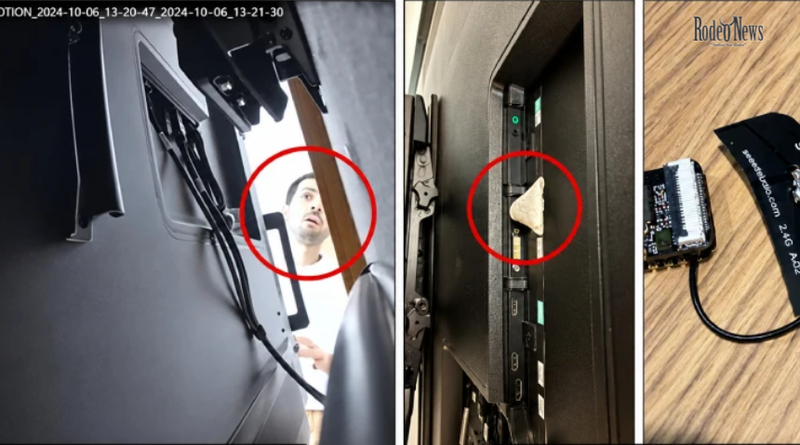
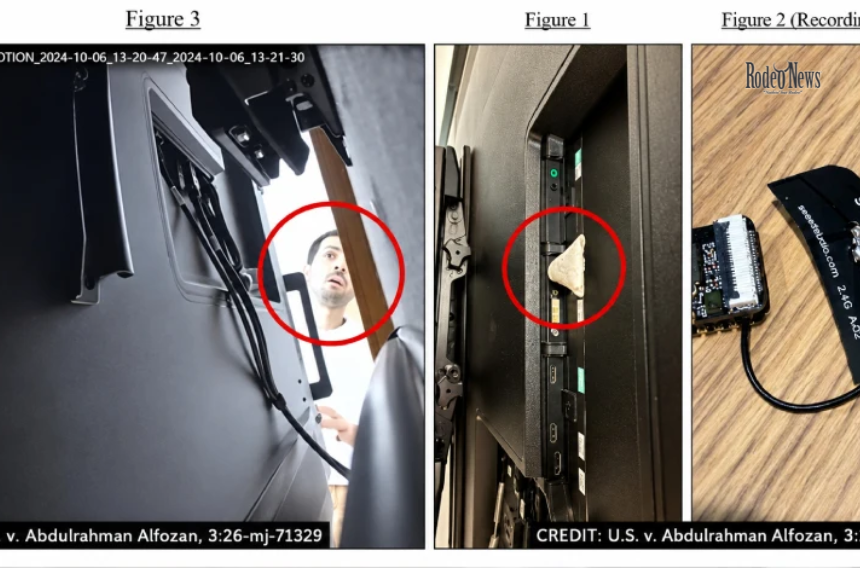
According to the criminal complaint, OpenAI personnel discovered a small audio recording device connected to a USB port on the back of a television in an executive conference room.
Investigators allege that the device had been installed around September 28, approximately two days before its discovery. The complaint states that it was concealed in toilet paper before being placed behind the television.
The conference room was reportedly used for meetings involving highly confidential technical, commercial, and strategic information. Such discussions could include proprietary research, product development plans, business opportunities, and other details about the company’s operations.
These allegations have drawn attention to the risks associated with unauthorized surveillance inside technology companies, particularly those developing advanced artificial intelligence systems.
However, the allegations remain subject to the legal process, and the investigation is ongoing.
Who Is Abdulrahman Alfozan?
Alfozan had worked at OpenAI since July 2025, serving in an engineering role, according to reports citing court documents and company information.
Authorities allege that he had accessed information about the company’s buildings, meeting rooms, room capacities, calendars, executive locations, and meetings involving external partners before the recording device was discovered.
Investigators also reviewed surveillance footage that allegedly showed Alfozan near the executive conference room on multiple occasions before the device was found.
According to the complaint, he returned to the room on October 5 and appeared to look behind the television where the recording device had been installed.
On the same day, company security personnel allegedly discovered a second recording device inside a bag he had left unattended in another room. The bag reportedly also contained his wallet and identification documents.
These details form part of the allegations presented by investigators. They do not, by themselves, establish guilt.
Investigators Examine Possible Device Preparation
The criminal complaint also describes digital evidence that investigators are examining as part of the case.
According to the reported allegations, a chatbot account associated with Alfozan’s spouse was used between September 24 and September 30 to submit prompts concerning the construction, customization, installation, testing, and remote access of an audio recording device.
Some prompts reportedly referred to continuous audio recording, wireless connectivity, improving live listening capabilities, and encrypting a storage card.
Investigators are examining these details alongside other evidence to establish how the device was prepared and whether it was connected to the alleged surveillance attempt.
The reported use of digital tools in the investigation highlights a broader challenge for companies that rely on artificial intelligence systems and connected devices. Digital activity can provide useful investigative evidence, but its meaning and relevance must be assessed carefully within the full context of a case.
OpenAI Says No Evidence of Data Theft
OpenAI confirmed that it discovered a sophisticated recording device in one of its offices and used its internal AI models to help understand the device and identify its origins.
The company said it had evidence indicating that an employee was responsible for placing the device. It then referred the matter to the FBI.
OpenAI also stated that it had no indications that the individual had improperly accessed or removed model weights, source code, or customer data.
That distinction is important. The alleged placement of a recording device raises concerns about confidential conversations, but it does not establish that proprietary files or customer information were stolen.
The company has emphasized that its security program is designed to address multiple risks, including insider threats, cybercriminal activity, and potential threats from nation-states.
The incident demonstrates why organizations need security measures that extend beyond digital networks. Physical access controls, surveillance systems, employee access permissions, and incident-response procedures can all play important roles in protecting sensitive business information.
FBI Investigation and Potential Penalties
The FBI is continuing to investigate the incident, while federal prosecutors have charged Alfozan with using or attempting to use an electronic, mechanical, or other device to intercept oral communications.
If convicted, he could face a maximum penalty of five years in prison, a fine of up to $250,000, and three years of supervised release, according to reports on the case.
The potential penalties reflect the seriousness of the allegations, particularly because the device was reportedly placed in a room used for confidential executive discussions.
Further legal proceedings are expected to help determine the evidence’s significance and establish the facts of the case.
As with any criminal proceeding, the charge is an allegation, and the defendant is presumed innocent unless proven guilty in court.
Why the Case Matters for AI Security
The incident comes as artificial intelligence companies face increasing pressure to protect valuable research, confidential business plans, and sensitive technical information.
Organizations developing advanced AI systems may hold information with significant commercial and strategic value. As a result, security risks can arise not only from external hackers but also from individuals who already have legitimate access to company facilities or internal resources.
The OpenAI case also highlights the importance of combining physical security with digital monitoring and investigation. A hidden recording device may create risks that traditional cybersecurity defenses alone cannot address.
For technology companies, effective protection requires clear access policies, reliable reporting procedures, careful handling of confidential meetings, and prompt investigation of suspicious activity.
OpenAI’s use of its own AI models to analyze the device also illustrates how artificial intelligence may assist security teams in investigating emerging threats. Nevertheless, such tools must complement human expertise and established investigative procedures rather than replace them.
The investigation remains ongoing, and the full circumstances surrounding the alleged recording attempt have yet to be established in court.
For the wider technology industry, the case serves as a reminder that safeguarding advanced AI research requires attention to both digital vulnerabilities and physical security risks.