Hun Sen Meets Lao Deputy Defence Minister to Strengthen Military Cooperation
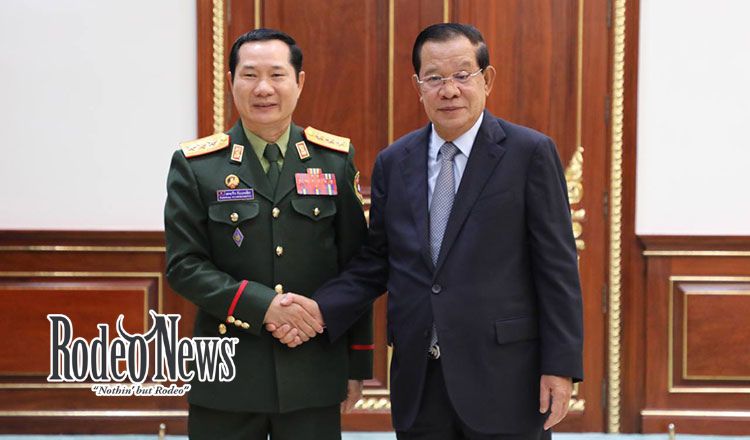
PHNOM PENH — Senate President Hun Sen met with Saichay Kommasith, Deputy Minister of National Defence of Laos, at the Senate Palace on February 17, reaffirming both countries’ commitment to deepening defence cooperation and maintaining stability along their shared border.
According to Senate spokesman Chea Thyrith, Hun Sen warmly welcomed Lieutenant General Saichay and his delegation, describing the visit as a meaningful step in strengthening the long-standing ties between Cambodia and Laos. The meeting underscored what both sides called a shared determination to expand collaboration between their respective armed forces.
Reinforcing Strategic Defence Ties
Hun Sen — widely known by his honorific Samdech Techo — viewed the Lao delegation’s visit as an opportunity to advance bilateral relations, particularly in the defence sector. The two sides discussed ways to enhance coordination between their militaries at both strategic and operational levels.
Lieutenant General Saichay, who also serves as Chief of the General Staff of the Lao People’s Army, highlighted the strong state of relations between the two neighbouring nations. He noted that cooperation in defence and military affairs has remained a cornerstone of Cambodia-Laos ties, reflecting broader political trust between the governments in Phnom Penh and Vientiane.
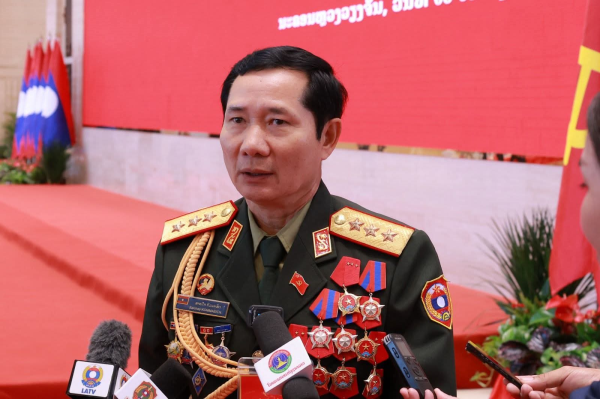
He pledged that Laos would continue to work closely with Cambodia to further develop practical cooperation between their armed forces, including information-sharing and coordinated activities aimed at safeguarding national sovereignty and regional peace.
Border Stability and Security Cooperation
A central focus of the discussion was the management of the Cambodia-Laos border, which both sides described as peaceful and cooperative. Lieutenant General Saichay expressed appreciation for the role played by both countries’ military units and local authorities in maintaining stability and preventing tensions.
The two nations share a lengthy border that has historically required close coordination to manage security concerns, migration, and development projects. In recent years, joint efforts between border units have helped prevent misunderstandings and ensure that local communities can live and work in relative stability.
Hun Sen acknowledged these efforts and encouraged continued collaboration, stressing that security along the frontier remains vital not only for bilateral relations but also for broader regional confidence within Southeast Asia.
Expanding Training and Human Resource Development
Beyond border management, Hun Sen proposed expanding defence cooperation in training and human resource development. He suggested increasing opportunities for military personnel exchanges and offering scholarships in defence-related fields to build long-term institutional capacity.
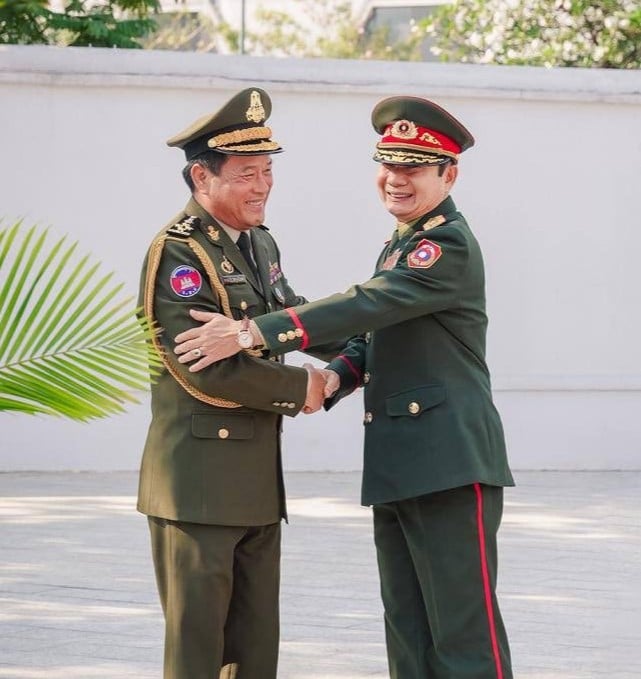
Such initiatives, he said, would strengthen professional skills within both armed forces while fostering mutual understanding among officers and cadets. Enhanced training collaboration, including joint exercises and technical programs, could further modernise capabilities in areas such as logistics, disaster response, and strategic planning.
Observers say these efforts reflect a broader regional trend, with neighbouring countries seeking to professionalise their militaries while maintaining strong bilateral ties to address shared challenges.
Addressing Cross-Border Challenges
The leaders also discussed the need to coordinate responses to cross-border crime and transnational threats. Hun Sen proposed broadening defence collaboration to combat activities such as trafficking and illegal movements that can undermine border security.
In addition, he called for closer cooperation in managing natural disasters along the border, including floods and forest fires — recurring challenges that affect communities on both sides. Joint disaster preparedness measures, early warning systems, and coordinated response mechanisms were highlighted as areas of potential growth.
By addressing these non-traditional security threats, both sides signaled an understanding that modern defence cooperation extends beyond conventional military matters. Climate-related risks and criminal networks, officials acknowledged, require practical, on-the-ground coordination between security forces.
A Relationship Built on Political Trust
The meeting at the Senate Palace reflects the enduring political trust between Cambodia and Laos, two countries that have historically maintained close diplomatic and ideological ties. Their defence cooperation has often mirrored broader regional stability efforts under ASEAN frameworks.
While no formal agreements were announced during the visit, officials described the discussions as constructive and forward-looking. Both sides reiterated their commitment to ensuring that the Cambodia-Laos border remains a zone of peace, friendship, and cooperation.
For Phnom Penh and Vientiane alike, strengthening military ties is seen not as an escalation, but as a stabilising measure — reinforcing mechanisms that prevent misunderstandings and promote transparency.
As regional dynamics continue to evolve, Cambodia and Laos appear determined to maintain close coordination, particularly in areas where security, development, and environmental concerns intersect.
The February 17 meeting concluded with both leaders expressing optimism that defence cooperation would continue to deepen in all dimensions, strengthening not only military institutions but also the broader bilateral relationship between the two Southeast Asian neighbours.