Pixel 11 Pixel Glow Revealed: A Bold Yet Controversial Upgrade
The Pixel 11 Pixel Glow feature is shaping up to be one of the most talked-about innovations in Google’s upcoming smartphone lineup. According to recent leaks and reports, this new system introduces subtle lighting effects on the back of the device, designed to notify users of important alerts without requiring them to pick up their phone.
While the idea sounds futuristic, early reactions are mixed. Some see it as a creative leap forward, while others dismiss it as a flashy gimmick that distracts from more important hardware upgrades.
So what exactly is Pixel Glow—and does it truly matter?
What Is Pixel 11 Pixel Glow?
At its core, Pixel 11 Pixel Glow is a hardware-based notification system that uses light and color to communicate information. The feature was discovered in Android 17 beta code, suggesting it will debut with the Pixel 11 series later in 2026.
The system works when the phone is placed face down. Instead of lighting up the screen or using vibration, the device emits subtle colored lights to indicate notifications.
Key Functions of Pixel Glow
- Visual alerts for incoming calls and messages
- Different colors or patterns for different notifications
- Light-based feedback during AI interactions
- Ambient notifications without waking the display
This approach aims to help users stay focused while still being aware of important updates.
A Return to Notification Lights—But Smarter
Interestingly, Pixel Glow may be a modern evolution of a feature many Android users remember: the notification LED.
In earlier smartphones, a small LED would blink to signal unread messages or missed calls. Pixel Glow takes that concept further by introducing dynamic lighting effects and deeper integration with software and AI.
According to reports, the system is also tied to Google’s AI assistant, Gemini. This means lighting effects could appear during voice interactions or hands-free commands, offering visual feedback without needing to look at the screen.
Inspired by Competitors?
The concept behind Pixel Glow has drawn comparisons to the Glyph interface used in phones from Nothing. These devices use LED strips on the back to display notifications and animations.
However, Google appears to be taking a more subtle approach. Instead of bold and flashy light patterns, Pixel Glow is described as “subtle light and color,” focusing on minimalism and utility.
Still, critics argue that the idea isn’t entirely new—and may not be enough to differentiate the Pixel 11 in a highly competitive market.
Why Pixel Glow Exists
Google’s motivation behind Pixel Glow seems rooted in improving digital wellbeing.
The feature is designed to reduce the need to constantly check your phone. Instead of unlocking your device every time it buzzes, you can glance at the lighting pattern and decide whether it’s worth your attention.
This aligns with a broader trend in tech: reducing screen time while maintaining connectivity.
Benefits of Pixel Glow
- Less screen distraction
- Faster awareness of important alerts
- Hands-free interaction support
- Enhanced accessibility for certain users
In theory, this could make smartphones less intrusive in daily life.
The Hardware Requirement: A Big Deal
One important detail sets Pixel Glow apart from traditional notification systems—it requires dedicated hardware.
The Android 17 code explicitly states that the device must include “hardware lights.”
This means Pixel Glow isn’t just a software update. It represents a physical change in how Pixel devices are built.
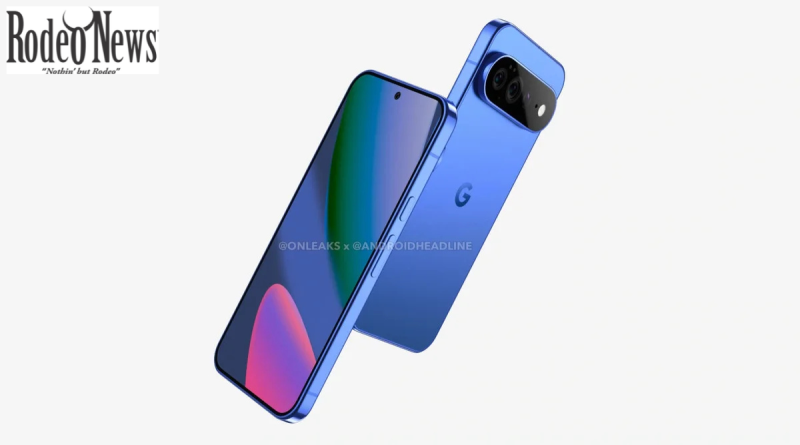
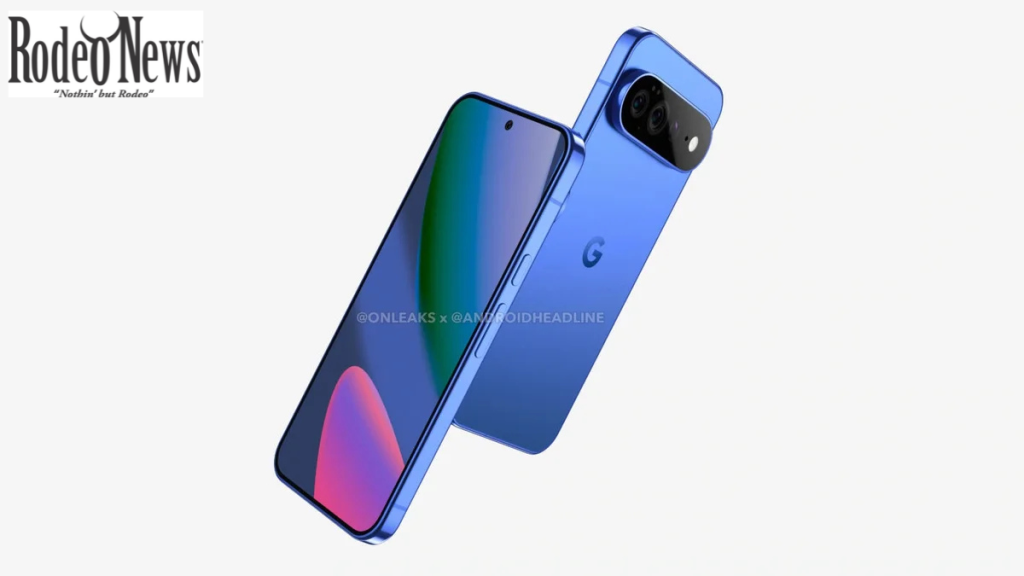
However, leaked renders of the Pixel 11 don’t show any obvious lighting elements. This has led to speculation that the lights could be hidden within the camera bar or integrated into the device’s design in a subtle way.
Criticism: A Gimmick or Innovation?
Not everyone is impressed.
Some analysts argue that Pixel 11 Pixel Glow feels like a distraction from more meaningful upgrades. Reports suggest that the Pixel 11 may not feature major hardware improvements compared to its predecessor, which could make the lighting feature seem like a superficial addition.
Critics have raised several concerns:
- Lack of significant hardware upgrades
- Limited practical value of lighting notifications
- Potential battery impact
- Risk of being seen as a “party trick”
One opinion piece bluntly suggested that users need more than “a fancy light array” to be impressed.
What Users Actually Want
Interestingly, feedback from the community indicates that users may prefer more practical features instead of Pixel Glow.
Some commonly requested improvements include:
- Better camera sensors
- Longer battery life
- Expandable storage (microSD support)
- Headphone jack return
- More powerful chipset
These requests highlight a key tension in smartphone design: innovation versus practicality.
Pixel 11: Expected Release and Specs
Beyond Pixel Glow, the Pixel 11 is expected to follow Google’s typical release schedule.
- Launch window: Likely August 2026
- Starting price: Around $799 (expected)
- Camera setup: Triple camera system with AI enhancements
Design-wise, leaks suggest the phone will look very similar to the Pixel 10, with only minor refinements.
This makes Pixel Glow even more important, as it could be one of the few standout features in the new model.
The Bigger Picture: Google’s Strategy
Pixel Glow may be part of a larger strategy by Google to differentiate its devices through software and AI rather than raw hardware.
Over the years, Google has focused heavily on computational photography, AI features, and user experience. Pixel Glow fits into this philosophy by enhancing how users interact with their devices without adding complexity.
It also signals a shift toward ambient computing—where devices communicate information passively rather than demanding attention.
Will Pixel Glow Succeed?
The success of Pixel 11 Pixel Glow will depend on execution.
If done right, it could:
- Offer meaningful, non-intrusive notifications
- Enhance accessibility and usability
- Provide a unique identity for Pixel devices
However, if poorly implemented, it risks becoming:
- A rarely used feature
- A battery-draining novelty
- A forgotten experiment
Google has a history of introducing bold ideas—some of which succeed, while others fade away.