North Korea Missile Launch Shocking 2026 Escalation
The latest North Korea missile launch has once again heightened global tensions, as Pyongyang fired multiple short-range ballistic missiles toward its eastern waters in April 2026. The move, confirmed by South Korean and international defense authorities, underscores a growing pattern of military provocations that continue to alarm neighboring countries and the wider international community.
According to military officials, the missiles were launched from the Sinpo region, an area known for submarine-based missile development. Each projectile reportedly traveled around 140 kilometers before landing in the sea, signaling a controlled yet deliberate demonstration of force.
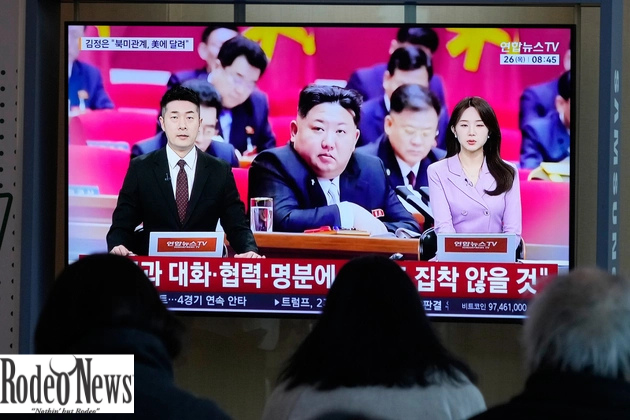
A Pattern of Escalation in 2026
This North Korea missile launch is not an isolated incident. In fact, it marks one of several missile tests conducted by the country this year alone. Analysts note that North Korea has carried out multiple launches throughout 2026, reflecting a sustained effort to refine its weapons technology and assert its military capabilities on the global stage.
Earlier reports indicate that this is already the seventh missile launch by North Korea in 2026. The frequency of these tests suggests a calculated strategy rather than sporadic acts of provocation.
Meanwhile, regional powers including South Korea, Japan, and the United States have strongly condemned the launches. Officials argue that such actions violate United Nations Security Council resolutions and threaten regional stability.
Possible Submarine-Launched Missile Capability
One of the most concerning aspects of this North Korea missile launch is the possibility that the missiles were fired from a submarine. If confirmed, this would represent North Korea’s first submarine-launched ballistic missile (SLBM) test in several years.
Submarine-based launches are particularly alarming for defense analysts. Unlike land-based systems, submarine missiles are harder to detect and intercept, providing a significant strategic advantage.
The Sinpo region, where the launch originated, has long been associated with North Korea’s naval and submarine development programs. This raises fears that Pyongyang is advancing toward a more sophisticated and survivable nuclear deterrent.
Strategic Timing Behind the Launch
Timing plays a crucial role in understanding the motives behind this North Korea missile launch. The test occurred just before major diplomatic movements in the region, including high-level visits and anticipated international summits.
Experts believe the launch may be intended to strengthen North Korea’s bargaining position ahead of potential negotiations with global powers. By demonstrating military strength, Pyongyang can increase its leverage in future diplomatic discussions.
Additionally, the test coincided with rising geopolitical tensions globally, including conflicts involving major powers. Analysts suggest that North Korea may be attempting to position itself strategically within this evolving international landscape.
Growing Nuclear Capabilities
The North Korea missile launch also reflects broader concerns about the country’s expanding nuclear program. Recent intelligence reports indicate increased activity at nuclear facilities, suggesting that Pyongyang is accelerating its production of weapons-grade material.
International watchdogs have warned that North Korea could significantly increase its nuclear arsenal in the coming years. This development, combined with ongoing missile tests, paints a troubling picture of a nation steadily enhancing both its offensive and defensive capabilities.
North Korean leader Kim Jong Un has repeatedly emphasized the importance of nuclear deterrence, declaring it a central pillar of national security. His administration has shown little willingness to engage in denuclearization, despite ongoing international pressure.
Regional and Global Reactions
The latest North Korea missile launch has triggered swift reactions from countries across the region.
South Korea’s military immediately heightened its surveillance and readiness posture, while Japan issued warnings and lodged formal protests. The United States also condemned the launch, reaffirming its commitment to regional allies.
These coordinated responses highlight the seriousness with which the international community views North Korea’s actions. However, despite repeated condemnations and sanctions, Pyongyang has continued its weapons development largely unabated.
Technological Developments in Missile Systems
North Korea’s missile program has evolved significantly over the years. The country now possesses a range of short-range ballistic missiles capable of carrying conventional or nuclear payloads.
Modern systems, such as the Hwasong series, feature improved accuracy, mobility, and survivability. Some variants are believed to be capable of maneuvering during flight, making them harder to intercept.
In addition, North Korea has been exploring advanced technologies, including hypersonic glide vehicles and electromagnetic weapons. These developments indicate a broader effort to modernize its military and adapt to changing warfare dynamics.
Why This Matters for Global Security
The implications of the North Korea missile launch extend far beyond the Korean Peninsula.
Firstly, repeated missile tests increase the risk of miscalculation or accidental escalation. A single misinterpreted move could potentially trigger a broader conflict involving multiple nations.
Secondly, North Korea’s continued defiance of international sanctions undermines global non-proliferation efforts. If left unchecked, it could encourage other nations to pursue similar strategies.
Finally, the advancement of submarine-based missile systems adds a new layer of complexity to global security. These systems make it more difficult for adversaries to detect and neutralize threats, increasing uncertainty and instability.
Diplomatic Challenges Ahead
Despite the rising tensions, diplomatic engagement remains a key avenue for addressing the situation.
Historically, negotiations between North Korea and global powers have produced mixed results. While some agreements have temporarily reduced tensions, long-term solutions have remained elusive.
The latest North Korea missile launch may complicate future talks, as it reinforces Pyongyang’s commitment to its military strategy. However, it may also serve as a catalyst for renewed diplomatic efforts, particularly if regional actors seek to prevent further escalation.
A Continuing Cycle of Provocation
The pattern is familiar: missile tests followed by international condemnation, sanctions, and renewed tensions. The North Korea missile launch fits squarely within this cycle.
What sets the current situation apart, however, is the increasing sophistication of North Korea’s weapons and the frequency of its tests. These factors suggest that the country is not merely maintaining its capabilities but actively expanding them.