Caribbean Allies Open Doors to U.S. Military as Pressure on Venezuela Mounts
In recent weeks, the United States Armed Forces has significantly ramped up its presence in the Caribbean amid mounting pressure on Venezuela — and several regional governments are granting support in varying forms.
Dominican Republic: Logistical Support, Limited Footprint
The Dominican Republic has authorized U.S. forces to use restricted zones at the San Isidro Air Base and Las Américas International Airport for refueling, equipment transfer, and movement of technical personnel — actions described as strictly “technical, limited and temporary.”
According to Dominican President Luis Abinader, this cooperation stems from a shared concern over drug trafficking that he said “does not recognize borders” and demands allied efforts.
Trinidad and Tobago: Radar Help, Denials of Offensive Intent
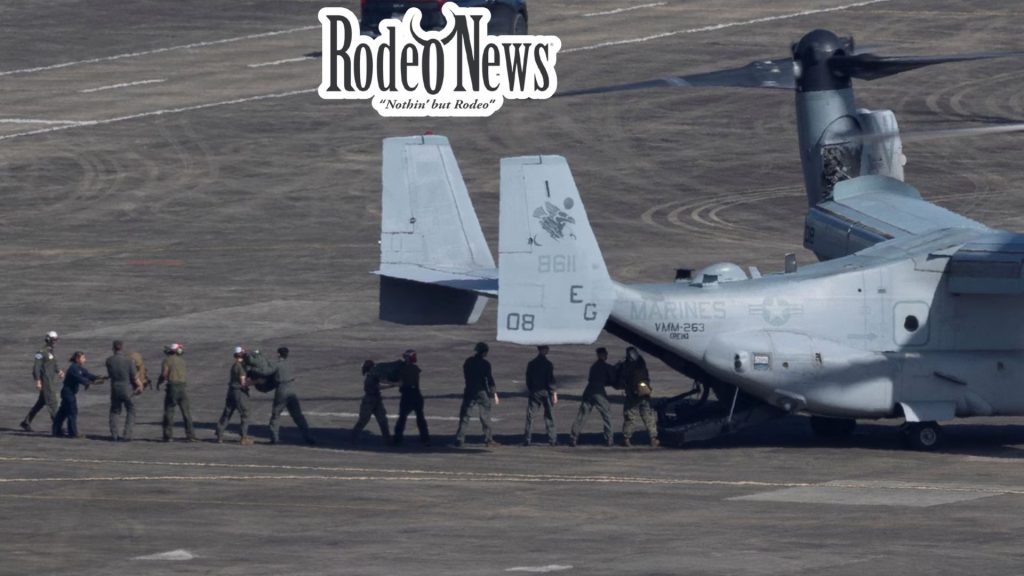
In Trinidad and Tobago, Prime Minister Kamla Persad-Bissessar has publicly supported the U.S. campaign against drug trafficking. She confirmed that U.S. Marines were working on radar and runway infrastructure at the island’s airport in Tobago — but denied that the country was hosting any offensive operations against Venezuela.
Despite the growing security cooperation, Persad-Bissessar stressed that she was assured no discussions have taken place about using Trinidad and Tobago as a base for attacks on Venezuelan territory.
Grenada: A Delicate Decision with Historical Memory
The smaller nation of Grenada is still weighing a U.S. request to install radar systems at the Maurice Bishop International Airport. Approval is complicated by the 1983 U.S. invasion of Grenada — a historical wound that has left memories of mistrust.
Prime Minister Dickon Mitchell has described the decision as difficult, citing both technical concerns and the symbolic weight of inviting U.S. radar installations onto Grenadian soil.
Wider Implications: Military Pressure, Regional Divides
Since August, the U.S. has deployed substantial assets across the Caribbean. According to reports, more than 80 people have died in strikes on boats that the U.S. claims were transporting drugs — though evidence supporting those claims remains undisclosed.
Meanwhile, airlines have suspended flights to Venezuela, and the U.S. administration has urged companies to view Venezuelan airspace as closed.
For Venezuela, led by Nicolás Maduro, the mounting military pressure is being cast as a threat to sovereignty. The government has mobilized troops and called on citizens to prepare for potential conflict.
The decisions by the Dominican Republic and Trinidad and Tobago mark a notable shift in regional alignment — reflecting how concerns over drug trafficking, security, and international pressure are realigning alliances in the Caribbean. Yet resistance — as in Grenada’s caution — remains, grounded in history and concern over sovereignty
Caribbean Allies of U.S. in 2025: Who’s Helping — and Who’s Hesitant — Against Venezuela
In late-2025, the U.S. secured limited cooperation from Dominican Republic and Trinidad and Tobago for refueling and radar operations, while Grenada hesitates — as Washington pressures Venezuela with maritime strikes and an airspace shutdown