Netanyahu Pardon Drama: 5 Shocking Facts Revealed
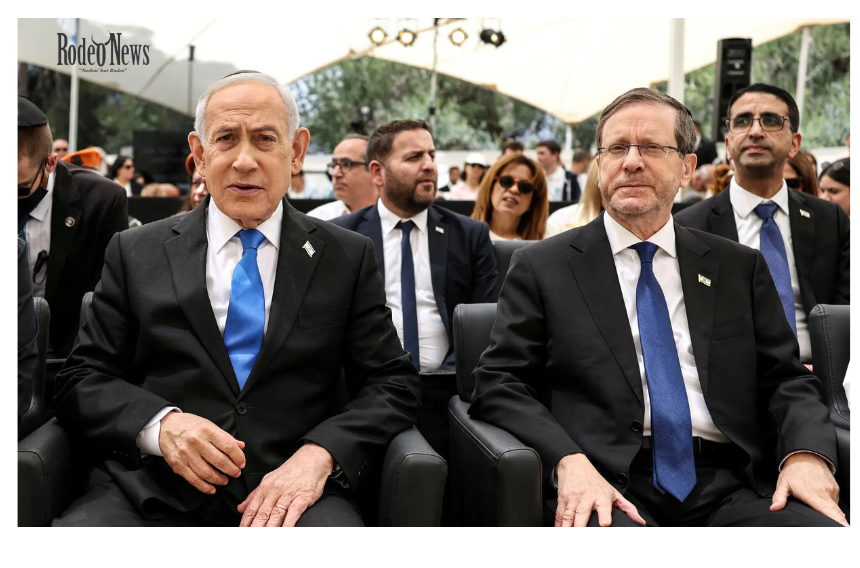
The Netanyahu pardon debate has reached a critical moment, as Israeli President Isaac Herzog signals he is not ready to grant clemency to Prime Minister Benjamin Netanyahu. Instead, he is pushing for a negotiated plea deal, a move that could reshape Israel’s political and legal landscape.
This development comes amid mounting international pressure, domestic political tensions, and an ongoing corruption trial that has gripped the nation for years. Here are five key revelations behind the escalating Netanyahu pardon saga.
1. Netanyahu Pardon Decision Delayed — Not Denied
Despite intense speculation, the Netanyahu pardon has not been rejected outright. However, President Herzog has made it clear that a decision will not come soon.
Recent reports indicate that Herzog intends to delay any pardon decision until all legal and political avenues are exhausted.
Instead of issuing immediate clemency, Herzog is prioritizing mediation efforts between Netanyahu’s legal team and prosecutors.
This cautious approach reflects the sensitivity of the case, which is widely seen as a defining moment for Israel’s judicial system.
2. Plea Deal Now the Preferred Path
At the center of the Netanyahu pardon discussion is a significant shift: Herzog is actively encouraging a plea agreement.
According to officials familiar with the matter, the president views a negotiated settlement as the “proper and correct solution.”
This means:
- Netanyahu could potentially admit to lesser charges
- Legal proceedings may conclude faster
- Political tensions could ease
However, such a deal would likely come with major conditions, including possible resignation or limitations on Netanyahu’s political future.
Meanwhile, reports suggest that no pardon is currently planned, reinforcing the idea that legal compromise is the preferred outcome.
3. Global Pressure — Especially From the U.S.
The Netanyahu pardon issue has not remained a domestic affair. It has drawn strong reactions from global leaders, most notably Donald Trump.
Trump has repeatedly urged Herzog to grant an immediate pardon, arguing that Netanyahu should focus on national security issues rather than legal battles.
In some statements, Trump went further, criticizing Herzog for delaying action and calling for swift intervention.
However, Israeli officials have pushed back firmly, emphasizing that:
- Israel operates under the rule of law
- Judicial processes must remain independent
- External political pressure will not influence decisions
This clash highlights the broader geopolitical stakes tied to the Netanyahu pardon debate.
4. The Corruption Trial Behind It All
The urgency surrounding the Netanyahu pardon stems from his ongoing corruption trial—one of the most significant in Israel’s history.
Netanyahu faces multiple charges, including:
- Bribery
- Fraud
- Breach of trust
Prosecutors allege that he provided regulatory benefits to business figures in exchange for favorable media coverage.
Notably, this is the first time a sitting Israeli prime minister has faced such charges while in office, making the case unprecedented.
The trial has already stretched over several years, with cross-examinations continuing into 2026.
A pardon would immediately end the legal proceedings—but also raise serious questions about accountability and democratic norms.
5. A Decision That Could Reshape Israel
The Netanyahu pardon debate is not just about one leader—it could redefine Israel’s political future.
If Herzog eventually grants a pardon:
- Netanyahu could remain politically active
- Critics may accuse the system of undermining justice
- Public trust in institutions could be tested
If no pardon is granted:
- The trial will continue
- Political instability may deepen
- Elections and coalition dynamics could shift dramatically
Meanwhile, a plea deal offers a middle ground—but one that still carries significant consequences for all sides involved.
Political and Public Reactions
The Israeli public remains deeply divided over the Netanyahu pardon issue.
Supporters argue that:
- The charges are politically motivated
- Netanyahu’s leadership is essential during national crises
Critics counter that:
- No leader should be above the law
- A pardon could damage democratic institutions
Opposition leaders have also warned that any pardon should only come after full accountability, including possible withdrawal from political life.
Why Herzog Is Taking a Cautious Approach
President Herzog’s strategy reflects a balancing act between law, politics, and national unity.
By delaying the Netanyahu pardon decision, he aims to:
- Preserve judicial independence
- Encourage compromise through negotiation
- Avoid escalating political tensions
This approach also allows time for a potential consensus solution, which could reduce polarization across Israeli society.
What Happens Next?
For now, the Netanyahu pardon remains uncertain.
Key developments to watch include:
- Progress in plea deal negotiations
- Court decisions in the ongoing trial
- Political pressure from domestic and international actors
While a final decision could still take time, one thing is clear: the outcome will have lasting implications for Israel’s governance and democratic institutions.
Conclusion
The Netanyahu pardon controversy has evolved into a complex political and legal showdown involving leadership, accountability, and international influence.
With President Isaac Herzog delaying his decision and pushing for a plea deal, the situation remains fluid. Whether through negotiation, trial, or eventual clemency, the resolution of this case will shape Israel’s future for years to come.
For now, the Netanyahu pardon remains one of the most closely watched political developments in the world.