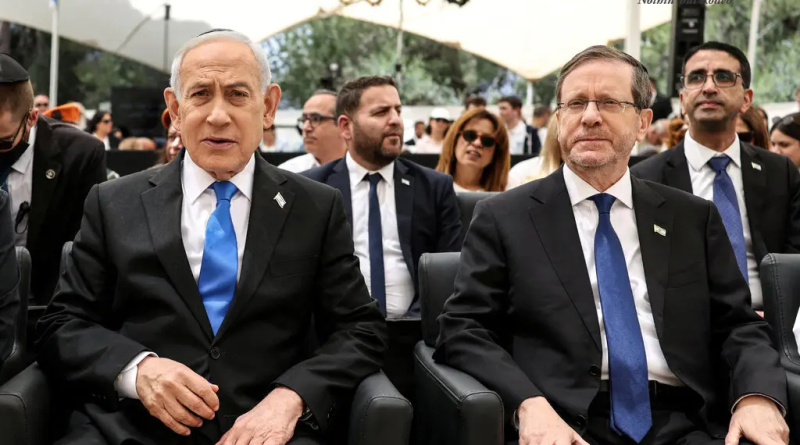
The Netanyahu pardon debate has erupted into one of the most controversial political issues in Israel today. As Prime Minister Benjamin Netanyahu continues to face a long-running corruption trial, pressure has mounted on President Isaac Herzog to intervene with a presidential pardon.
However, recent developments reveal that such a decision is far from imminent. Instead, Israeli leadership appears to be pursuing a different path—one that could reshape the country’s political future.
What Is the Netanyahu Pardon Controversy?
At the center of the crisis is Netanyahu’s request for a presidential pardon tied to his ongoing corruption trial.
The charges against him include:
- Bribery
- Fraud
- Breach of trust
Netanyahu has consistently denied all allegations. However, his legal battle—ongoing since 2020—has deeply divided Israeli society and politics.
A pardon would effectively end the trial, making it one of the most consequential legal decisions in Israel’s modern history.
Why Herzog Is Delaying the Decision
Despite mounting pressure, President Isaac Herzog is not rushing to grant the Netanyahu pardon.
Instead, he has made it clear that:
- A plea deal should be explored first
- Negotiations between legal parties must be exhausted
- A pardon will only be considered afterward
According to official statements, Herzog believes that resolving the case outside the courtroom could be the best outcome for national stability.
This approach signals caution—and a desire to avoid setting a controversial precedent.
The Role of a Plea Deal
Rather than granting an immediate Netanyahu pardon, Israeli officials are pushing for mediation.
A plea agreement could involve:
- Reduced charges or penalties
- Possible admission of wrongdoing
- Conditions affecting Netanyahu’s political future
Reports indicate that Herzog sees this as a more balanced solution, potentially easing political tensions without bypassing the legal process entirely.
Political Pressure From Global Leaders
The Netanyahu pardon issue has not remained confined to Israel.
Former U.S. President Donald Trump has repeatedly called on Herzog to grant the pardon, adding international pressure to an already sensitive decision.
This external influence has sparked debate inside Israel about:
- Judicial independence
- Foreign political interference
- The integrity of democratic institutions
Why This Case Is Historically Significant
Netanyahu’s situation is unprecedented in several ways:
- He is the first sitting Israeli prime minister to stand trial for criminal charges
- The case has triggered years of political instability
- Multiple elections have been influenced by the controversy
The outcome—whether through pardon, conviction, or plea deal—will likely shape Israeli politics for years to come.
Public Reaction Across Israel
The Netanyahu pardon debate has deeply polarized public opinion.
Supporters Say:
- A pardon could unify the country
- The trial has dragged on too long
- Political motivations may be involved
Critics Argue:
- A pardon would undermine the rule of law
- It could damage democratic institutions
- Leaders should not receive special treatment
This division reflects broader tensions within Israeli society about governance, accountability, and democracy.
What Happens Next?
For now, the Netanyahu pardon remains uncertain.
Key next steps include:
- Continued court proceedings
- Potential plea negotiations
- Ongoing political pressure
President Herzog has signaled that no immediate decision will be made, emphasizing patience and due process.
Broader Implications for Israel
The Netanyahu pardon debate goes far beyond one individual.
It raises fundamental questions about:
- The balance between law and politics
- The limits of executive power
- The resilience of democratic systems
Some analysts warn that granting a pardon without clear legal justification could set a dangerous precedent for future leaders.
Conclusion
The Netanyahu pardon controversy stands at the intersection of law, politics, and public trust.
While pressure continues to mount, President Isaac Herzog’s cautious approach suggests that Israel is not ready to take a shortcut through its legal system.
Instead, the focus remains on negotiation, legal integrity, and national stability.
As the situation evolves, one thing is clear: the outcome of this case will leave a lasting mark on Israel’s democracy—and its global reputation.