Netanyahu Pardon Drama: 5 Shocking Updates Revealed
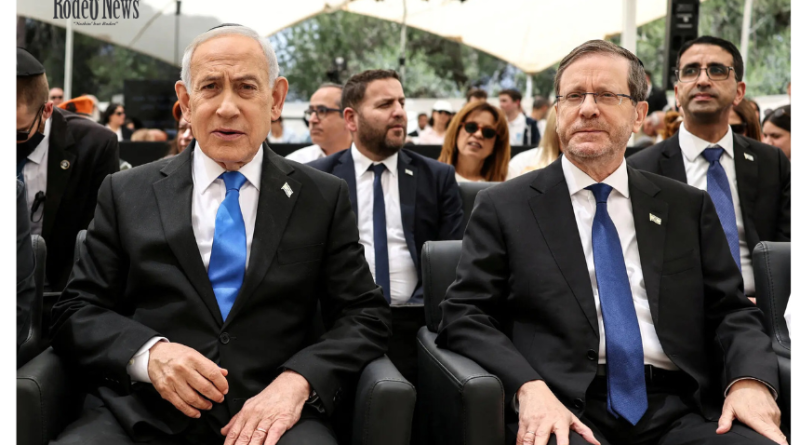
The Netanyahu pardon controversy has taken a dramatic turn, with Israel’s president signaling that no immediate decision will be made. The unfolding situation highlights deep political tensions, legal uncertainty, and growing international pressure surrounding Prime Minister Benjamin Netanyahu’s long-running corruption trial.
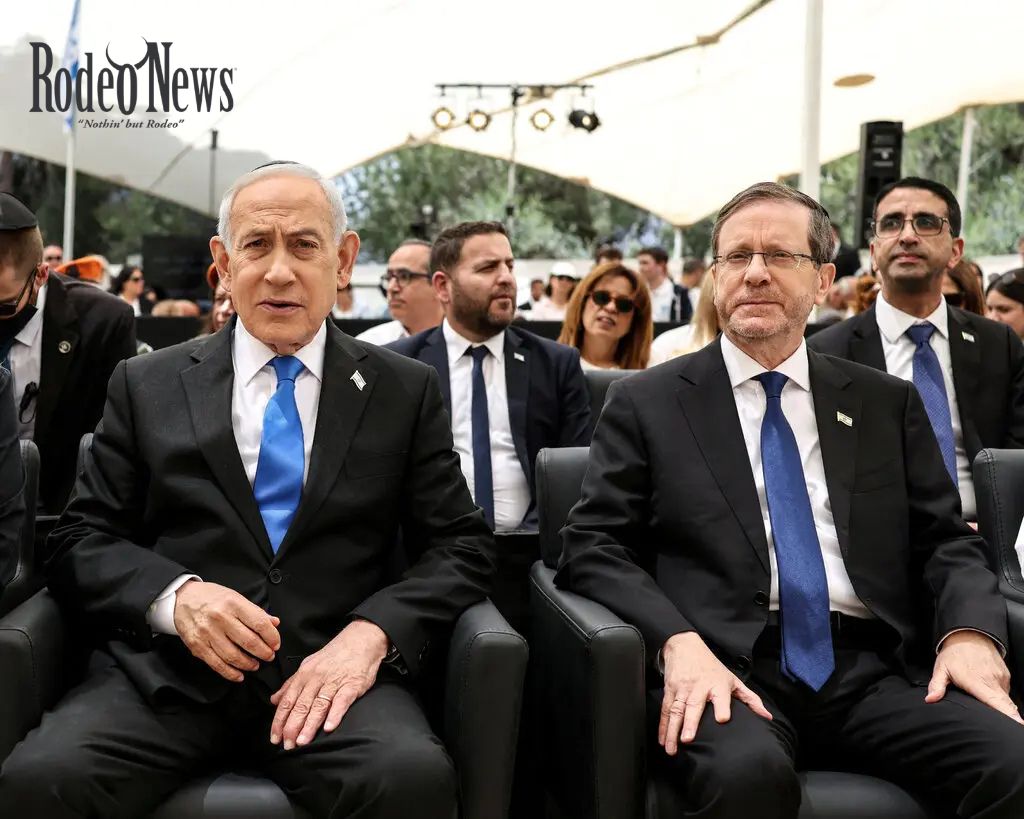
In recent developments, President Isaac Herzog appears to be delaying any decision on granting a pardon, instead pushing for a negotiated resolution. This shift has intensified debate across Israel’s political landscape and raised questions about the future of Netanyahu’s leadership.
1. Herzog Delays Netanyahu Pardon Decision
One of the most significant developments in the Netanyahu pardon saga is President Herzog’s decision to hold off on granting clemency.
According to multiple reports, Herzog believes that a pardon should not be considered until all options for a plea agreement are exhausted. He emphasized that efforts should first focus on resolving the case outside the courtroom.
This stance effectively postpones any immediate relief for Netanyahu and signals that the legal process will continue to play a central role.
Meanwhile, officials close to the president suggest that mediation efforts could soon begin. The goal would be to reach a compromise acceptable to both prosecutors and Netanyahu’s defense team.
2. Push for a Plea Deal Gains Momentum
Instead of granting a Netanyahu pardon outright, Herzog is reportedly encouraging a plea deal as the preferred solution.
Sources indicate that the president sees a negotiated agreement as a way to stabilize Israel’s political environment while respecting the rule of law.
This approach could allow Netanyahu to avoid a prolonged trial while also addressing public concerns about accountability.
However, the specifics of any potential plea agreement remain unclear. It is not yet known whether Netanyahu would be required to admit wrongdoing or step down from office as part of such a deal.
3. Netanyahu’s Legal Troubles Continue
The Netanyahu pardon debate cannot be understood without considering the broader context of his ongoing corruption trial.
Netanyahu has faced charges including bribery, fraud, and breach of trust—allegations he strongly denies. His legal battles have spanned several years and have significantly impacted Israeli politics.
The trial itself has been highly polarizing. Supporters argue that the charges are politically motivated, while critics insist that the rule of law must prevail.
Importantly, there is no precedent in Israel for granting a pardon while a trial is still ongoing. This makes Herzog’s decision even more complex and controversial.
4. Political Pressure Intensifies
The Netanyahu pardon issue has also drawn intense political pressure from both domestic and international actors.
Within Israel, members of Netanyahu’s coalition have urged Herzog to grant clemency, citing national unity and stability. At the same time, legal experts and opposition figures warn that such a move could undermine judicial independence.
Internationally, the situation has attracted attention as well. Former U.S. President Donald Trump has publicly called for Netanyahu to be pardoned, adding another layer of complexity to the decision-making process.
Despite this pressure, Herzog has repeatedly emphasized that his decision will be based on legal considerations and his own judgment—not external influence.
5. No Immediate Pardon Expected
Perhaps the most crucial takeaway is that a Netanyahu pardon is unlikely in the near future.
Reports indicate that Herzog does not currently plan to grant the request and believes there are alternative paths forward.
Instead, the focus remains on mediation and potential plea negotiations. This means that Netanyahu’s legal and political challenges are far from over.
The delay also leaves Israel in a state of uncertainty, as the outcome of the case could have major implications for the country’s leadership and upcoming elections.
The Broader Impact on Israeli Politics
The Netanyahu pardon debate is more than just a legal matter—it is a defining issue for Israel’s political future.
Netanyahu has been a dominant figure in Israeli politics for over a decade. However, his ongoing trial and the uncertainty surrounding a potential pardon have weakened his position.
The situation has also deepened divisions within Israeli society. Some view a pardon as a necessary step toward national unity, while others see it as a dangerous precedent that could erode trust in the legal system.
Moreover, the timing is critical. Israel is expected to hold elections by late 2026, and the outcome of the Netanyahu case could significantly influence voter sentiment.
Legal and Constitutional Questions
The Netanyahu pardon controversy raises important legal questions.
Under Israeli law, the president has the authority to grant pardons. However, this power is typically exercised after a conviction—not during an ongoing trial.
Legal experts argue that granting a pardon at this stage would be highly unusual and potentially problematic. It could set a precedent that future leaders might exploit.
Additionally, Netanyahu’s request reportedly did not include an admission of guilt or expression of remorse—factors that are often considered in pardon decisions.
These complexities help explain why Herzog is proceeding cautiously.
What Happens Next?
Looking ahead, several scenarios could unfold in the Netanyahu pardon case:
- Plea Deal Agreement: Netanyahu and prosecutors reach a compromise, potentially ending the trial early.
- Trial Continues: The case proceeds in court, with no pardon granted.
- Delayed Pardon Decision: Herzog revisits the issue after legal proceedings advance further.
Each of these outcomes carries significant political and legal implications.
For now, the focus remains on mediation efforts and whether a deal can be reached.
Conclusion
The Netanyahu pardon saga is entering a critical phase, marked by delay, negotiation, and uncertainty.
President Herzog’s decision to postpone a ruling reflects the complexity of the situation. By prioritizing a plea deal over immediate clemency, he is attempting to balance legal integrity with political stability.
However, the outcome remains uncertain. Whether through a negotiated agreement or continued legal proceedings, the case will continue to shape Israel’s political landscape in the months ahead.
One thing is clear: the Netanyahu pardon debate is far from over—and its consequences will be felt well beyond the courtroom.