
Mesa Measles Outbreak Intensifies as Cases Reach 13 in Arizona
The Mesa measles outbreak has officially become the focal point of a growing public health concern in Arizona, as Maricopa County health officials confirm that the number of measles cases has risen to 13 this year. The outbreak, which is now spreading across the East Valley region, marks the highest number of infections in the county in nearly two decades.
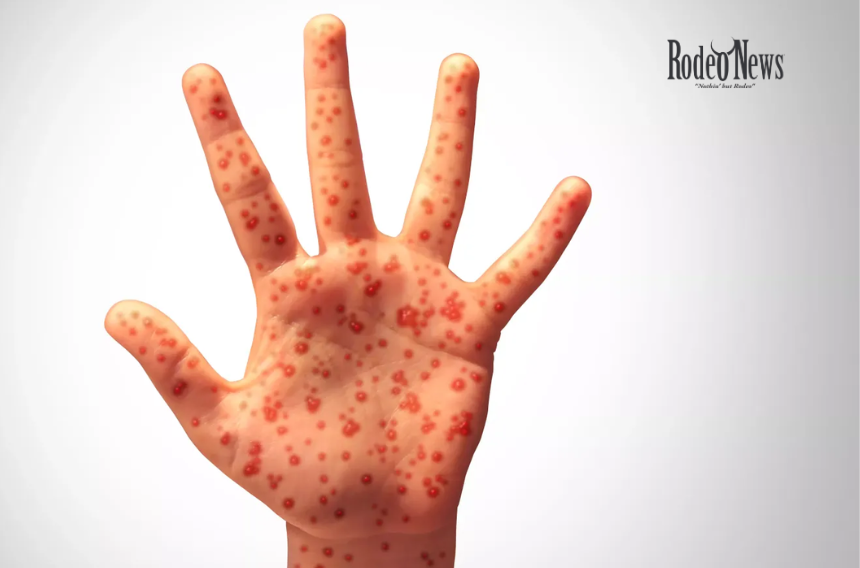
Health authorities say the situation is evolving quickly, with multiple exposure sites identified across Mesa, including high-traffic public spaces such as churches, restaurants, grocery stores, and retail centers. The outbreak has raised renewed concerns about vaccination coverage, community immunity, and the speed at which measles can spread in under-vaccinated populations.
According to county health officials, three new cases were recently confirmed, pushing the total to its highest level since at least 2006. The outbreak has largely been concentrated in the East Valley area, particularly Mesa, which has now become the primary hotspot of transmission.
Growing East Valley Spread Raises Alarm
The Mesa measles outbreak did not begin in isolation. Public health investigators trace the initial cases back to earlier infections reported in nearby communities such as Gilbert and Queen Creek. However, the virus has since shifted its center of activity into Mesa, where exposure sites have multiplied rapidly.
Health officials have identified multiple locations where residents may have been exposed, including:
- Religious gathering centers
- Grocery stores
- Restaurants and fast-food chains
- Retail outlets such as major shopping centers
These locations represent highly populated environments, making containment significantly more challenging.
Experts warn that measles is among the most contagious viruses known to medicine, capable of spreading through airborne transmission and remaining infectious in the air for up to two hours after an infected person has left an area.
Vaccination Gaps Driving the Outbreak
One of the most critical factors contributing to the Mesa measles outbreak is declining vaccination coverage in parts of Maricopa County. Health officials report that approximately 96% of confirmed cases involve unvaccinated individuals, highlighting a strong correlation between vaccine refusal or delay and infection risk.
Measles was declared eliminated in the United States in 2000 due to widespread immunization programs. However, elimination does not mean eradication, and outbreaks can still occur when vaccination rates fall below the threshold needed for herd immunity—typically around 95%.
In Maricopa County, vaccination rates among kindergarten-aged children are below this threshold in certain areas, creating vulnerable pockets where the virus can spread rapidly.
Medical experts emphasize that the measles-mumps-rubella (MMR) vaccine remains highly effective, providing approximately 97% protection after two doses.
Statewide Context: A Broader Health Concern
While Mesa is currently the epicenter of the outbreak, the issue extends beyond the city. Arizona has recorded a significantly higher number of measles cases statewide this year, with most infections concentrated in northern communities such as Colorado City, where vaccination rates are historically low.
Across the state, health officials have documented hundreds of cases in 2025–2026, making it one of the most significant measles resurgence periods in recent years.
Despite the rise in infections, authorities report no deaths so far, though several patients have required hospitalization due to complications.
Measles can lead to severe health consequences, including:
- Pneumonia
- Brain inflammation (encephalitis)
- Dehydration
- Complications in young children and infants
Infants too young to receive the vaccine are particularly vulnerable, making community immunity critical for protection.
Exposure Sites in Mesa Identified
The Maricopa County Department of Public Health has released detailed exposure timelines for affected locations in Mesa. These include busy community hubs where large numbers of residents may have been unknowingly exposed.
Officials are urging anyone who visited these sites during the specified timeframes to monitor for symptoms for up to 21 days.
Symptoms of measles include:
- High fever
- Runny nose
- Cough
- Red, watery eyes
- Distinctive red rash
Residents experiencing symptoms are advised to isolate immediately and contact healthcare providers before visiting medical facilities to prevent further spread.
Public Health Response and Containment Efforts
In response to the outbreak, health authorities in Maricopa County have increased contact tracing efforts and expanded public awareness campaigns. The focus remains on identifying exposure points quickly and encouraging vaccination among unprotected individuals.
Officials stress that even a small number of unvaccinated individuals can trigger significant outbreaks due to the virus’s extreme transmissibility.
The county is also working closely with schools, childcare facilities, and healthcare providers to ensure early detection and rapid reporting of potential cases.
Why Measles Is Making a Comeback
The resurgence of measles in regions like Mesa reflects a broader national trend linked to:
- Declining vaccination rates in certain communities
- Increased misinformation about vaccine safety
- Localized clusters of under-vaccinated populations
- High mobility and public interaction in urban areas
Public health experts warn that without sustained vaccination coverage, outbreaks like the Mesa measles outbreak may become more frequent.
Expert Warnings and Public Advice
Health professionals continue to emphasize that measles is preventable. The most effective protection remains full immunization through the MMR vaccine.
Authorities recommend:
- Ensuring children receive two doses of MMR vaccine
- Checking vaccination records before travel or school enrollment
- Seeking medical advice after potential exposure
- Staying home when symptoms appear
Experts also highlight that early vaccination not only protects individuals but also helps protect infants, elderly populations, and immunocompromised individuals who cannot be vaccinated.
Conclusion
The Mesa measles outbreak serves as a stark reminder of how quickly preventable diseases can return when vaccination coverage declines. With 13 confirmed cases and multiple exposure sites across the East Valley, health officials are urging residents to remain vigilant and take preventive action.
While the outbreak remains contained for now, public health experts warn that continued transmission is possible unless vaccination rates improve and community awareness increases.