Iran Ceasefire Deal: 5 Shocking Facts Revealed
The Iran ceasefire deal has emerged as a dramatic turning point in one of the most dangerous geopolitical escalations of 2026. After weeks of intense conflict involving the United States, Iran, and Israel, a fragile two-week truce has been agreed—just hours before a potential large-scale military strike that could have reshaped the Middle East.
This sudden de-escalation has raised both relief and skepticism globally. While leaders are calling it a step toward diplomacy, experts warn the situation remains volatile and unresolved.
What Triggered the Iran Ceasefire Deal
The conflict began escalating in late February 2026 following coordinated strikes by the United States and Israel targeting Iranian infrastructure and military facilities. Iran responded with missile attacks across the region, including strikes on Israeli territory and key Gulf areas.
Tensions reached a breaking point when the U.S. issued an ultimatum demanding Iran reopen the strategically vital Strait of Hormuz or face devastating attacks.
However, just hours before the deadline, a diplomatic breakthrough occurred. The Iran ceasefire deal was announced, halting imminent military action and opening a narrow window for negotiations.
1. A Last-Minute Deal That Prevented War
The ceasefire agreement came together under intense pressure. Reports indicate that the U.S. was preparing for massive strikes on Iran’s infrastructure, including energy facilities and bridges.
This agreement effectively stopped what could have been one of the largest military escalations in the region in decades. The decision marked a sudden reversal from earlier threats of widespread destruction.
Meanwhile, both sides claimed victory. The U.S. said its objectives were met, while Iran declared the outcome a strategic success.
2. The Strait of Hormuz Is the Key Bargaining Chip
At the heart of the Iran ceasefire deal lies the Strait of Hormuz—one of the most critical oil shipping routes in the world. Approximately one-fifth of global oil supply passes through this narrow waterway.
Under the agreement, Iran committed to reopening the strait to ensure safe maritime passage. In return, the U.S. agreed to suspend military operations.
This condition was crucial. Global markets had been rattled by fears of supply disruptions, and oil prices had surged during the conflict. The reopening immediately eased economic pressure worldwide.
3. Israel Supports the Deal—But With Conditions
Israel has backed the Iran ceasefire deal, but its support comes with significant caveats.
The agreement does not extend to Israel’s ongoing conflict with Hezbollah in Lebanon.
This means that while direct confrontation between Iran and the U.S. may have paused, regional violence continues. Israeli military operations in Lebanon remain active, with casualties and displacement still rising.
This partial ceasefire highlights the complexity of Middle East geopolitics, where multiple overlapping conflicts make comprehensive peace difficult.
4. Mediation by Pakistan Played a Crucial Role
One of the most surprising aspects of the Iran ceasefire deal is the role played by Pakistan.
Diplomatic efforts led by Pakistani leadership helped bridge the gap between Washington and Tehran, ultimately securing the two-week pause.
Negotiations are expected to continue in Islamabad, with talks scheduled shortly after the ceasefire announcement.
This positions Pakistan as a key diplomatic player in the region, capable of influencing major global conflicts.
5. The Deal Is Fragile and Full of Uncertainty
Despite optimism, the Iran ceasefire deal is far from stable.
There are already conflicting interpretations of the agreement. For example, differences between Iran’s English and Farsi versions of the negotiation framework have raised concerns—especially regarding nuclear enrichment policies.
Additionally, some military actions reportedly continued even after the ceasefire was announced, underscoring how fragile the situation remains.
Iran’s leadership has also warned that the truce does not signal the end of the war, indicating that tensions could quickly reignite.
Global Reactions to the Iran Ceasefire Deal
World leaders have cautiously welcomed the agreement. The European Union described it as a critical step back from the brink and urged all parties to pursue a lasting peace.
Financial markets responded positively as well, with oil prices stabilizing following the announcement.
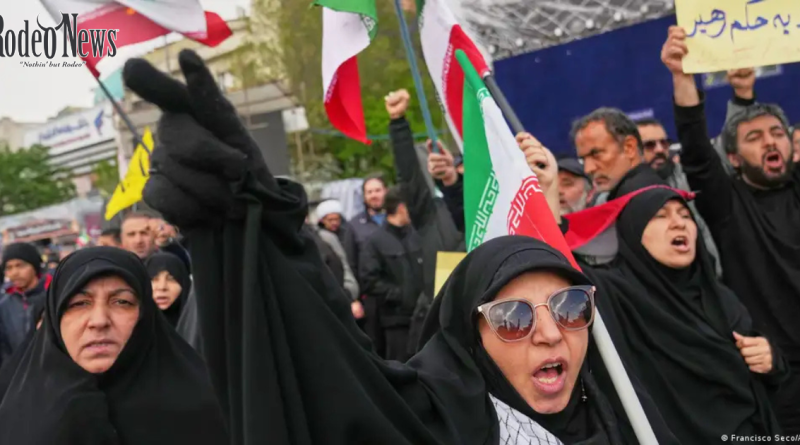
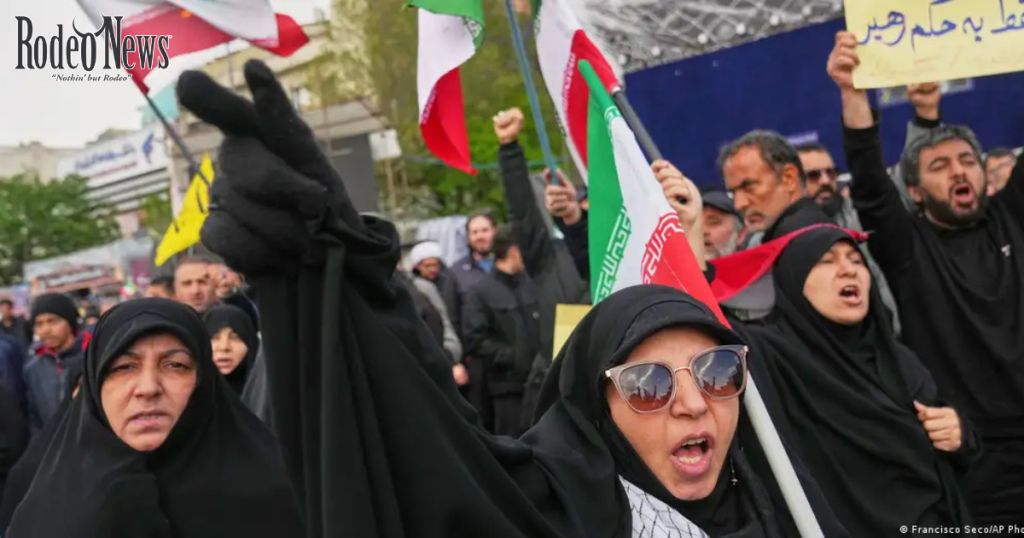
However, not all reactions have been positive. In Iran, protests erupted with demonstrators criticizing the ceasefire and expressing distrust toward compromise with Western powers.
These mixed reactions highlight the political and social complexities surrounding the deal.
What Happens Next?
The next two weeks will be critical. The Iran ceasefire deal is designed as a temporary pause, not a permanent solution.
Key issues still unresolved include:
- Iran’s nuclear program
- Economic sanctions
- Regional proxy conflicts
- Long-term control of the Strait of Hormuz
Negotiations are expected to focus on these topics, but achieving consensus will be challenging.
Experts warn that failure to reach a broader agreement could lead to renewed hostilities, potentially even more severe than before.
Why This Ceasefire Matters Globally
The Iran ceasefire deal is not just a regional issue—it has global implications.
First, it directly affects energy markets and global trade routes. Any disruption in the Strait of Hormuz impacts economies worldwide.
Second, it reflects shifting geopolitical dynamics, with new mediators like Pakistan gaining influence.
Finally, it demonstrates how close the world came to a major conflict involving multiple global powers.
This ceasefire may be temporary, but its consequences could shape international relations for years to come.
Conclusion
The Iran ceasefire deal represents a rare moment of de-escalation in an otherwise volatile conflict. It prevented immediate large-scale war, reopened critical trade routes, and created space for diplomacy.
However, the agreement remains fragile, with unresolved tensions and ongoing regional violence.
As negotiations continue, the world watches closely. The next steps taken by the U.S., Iran, and their allies will determine whether this ceasefire becomes a foundation for peace—or just a brief pause before renewed conflict.