Trump Iran War Threat Triggers Global Alarm and Political Backlash
The Trump Iran war threat has sent shockwaves across the world, igniting fears of a wider Middle East conflict while drawing fierce criticism from political leaders, legal experts, and international organizations.
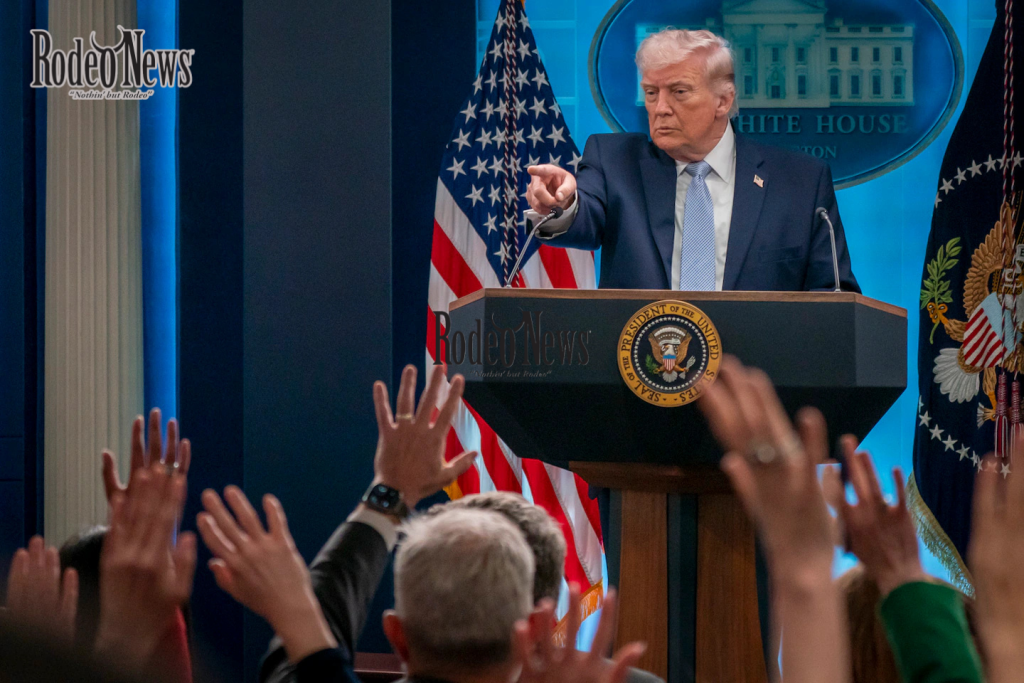
In early April 2026, U.S. President Donald Trump escalated tensions dramatically by issuing a stark ultimatum to Iran: reopen the Strait of Hormuz or face devastating military consequences. His rhetoric — including a warning that “a whole civilization will die” — triggered immediate global concern and raised serious questions about the legality and morality of such threats.
Although a last-minute ceasefire temporarily halted further escalation, the episode has left lasting political and diplomatic consequences.
A High-Stakes Ultimatum That Shocked the World
The crisis reached a boiling point when Trump set a strict deadline for Iran to comply with U.S. demands.
His warning was unusually extreme, even by historical standards of geopolitical brinkmanship. The threat to destroy infrastructure — including bridges and power plants — alarmed analysts who warned such actions could target civilian life-support systems.
Critics across the political spectrum described the rhetoric as reckless. Some lawmakers went as far as calling it a potential threat of war crimes, citing international laws that prohibit targeting civilian infrastructure or populations.
Even some of Trump’s allies expressed unease, signaling rare bipartisan concern over the direction of U.S. foreign policy.
Last-Minute Ceasefire Avoids Immediate Escalation
Despite the aggressive rhetoric, the situation shifted dramatically just hours before the deadline.
Trump agreed to suspend military strikes for two weeks after Iran signaled willingness to reopen the Strait of Hormuz — a critical oil shipping route.
The agreement, reportedly mediated by Pakistan with support from regional actors, marked a temporary de-escalation after weeks of intense conflict.
Under the deal:
- Iran would allow safe passage for oil tankers
- Both sides would pause military operations
- Diplomatic negotiations would begin
While the ceasefire brought immediate relief to global markets and reduced fears of a full-scale war, officials emphasized that it is only temporary.
Why the Strait of Hormuz Became the Center of the Crisis
At the heart of the Trump Iran war threat lies the Strait of Hormuz — one of the world’s most critical energy chokepoints.
Roughly 20% of global oil supply passes through this narrow waterway. Any disruption can send oil prices soaring and destabilize the global economy.
Iran’s ability to block or restrict access to the strait has long been viewed as one of its most powerful strategic tools. The U.S., meanwhile, sees keeping the route open as essential to global stability.
This strategic tension turned the strait into the focal point of the crisis, with both sides using it as leverage in negotiations.
Legal and Ethical Concerns Over War Threats
One of the most controversial aspects of the crisis has been the legal implications of Trump’s statements.
International humanitarian law strictly prohibits:
- Targeting civilian populations
- Destroying infrastructure essential for survival
- Using threats to terrorize civilians
Legal experts warned that carrying out such threats could constitute war crimes and expose military personnel to legal consequences.
More than 100 legal scholars reportedly raised concerns about potential violations of international law, highlighting the seriousness of the situation.
The controversy has reignited debates over presidential war powers and the limits of executive authority in military conflicts.
Domestic Political Fallout in the United States
The Trump Iran war threat has also sparked intense political backlash within the United States.
Democratic leaders strongly condemned the rhetoric, with some calling for extreme measures, including invoking the 25th Amendment, arguing that the president’s behavior posed a danger to national and global security.
At the same time, Trump’s supporters defended his approach, framing it as a form of strategic pressure designed to force Iran into negotiations.
This divide reflects broader political polarization in the U.S., where foreign policy decisions are increasingly shaped by domestic political dynamics.
Human Impact: Civilians Caught in the Crossfire
Beyond political and legal debates, the conflict has had a devastating impact on civilians.
Reports indicate that airstrikes have damaged key infrastructure across Iran, including:
- Bridges
- Factories
- Medical facilities
Civilian casualties have risen significantly, with growing fear and fatigue among the population.
Many Iranians initially hoped the conflict might lead to political change, but prolonged violence has instead deepened uncertainty and hardship.
Global Reactions and Diplomatic Pressure
The international community reacted swiftly to the crisis.
- The United Nations called for restraint
- European leaders urged diplomatic solutions
- Regional powers pushed for mediation
While many welcomed the ceasefire, skepticism remains about its durability.
Analysts warn that without a long-term agreement, the situation could quickly escalate again — potentially leading to a broader regional war involving multiple countries.
Trump’s Strategy: Pressure or Provocation?
Supporters of Trump argue that his aggressive approach reflects a calculated strategy often referred to as the “madman theory” — using unpredictability and extreme rhetoric to force adversaries into concessions.
Critics, however, see it differently.
They argue that such tactics risk:
- Miscalculation
- Accidental escalation
- Loss of international credibility
The debate over whether Trump’s strategy represents strength or recklessness continues to dominate political discourse.
Economic Shockwaves Across Global Markets
The crisis has also had immediate economic consequences.
Before the ceasefire:
- Oil prices surged amid fears of supply disruption
- Global markets showed volatility
After the ceasefire:
- Oil prices dropped sharply
- Stock markets rebounded
This rapid shift highlights how sensitive global markets are to geopolitical developments, particularly in energy-producing regions.
What Happens Next?
The future of the Trump Iran war threat crisis depends largely on upcoming diplomatic negotiations.
Key questions remain:
- Will the ceasefire hold?
- Can a long-term agreement be reached?
- Will tensions escalate again?
Talks are expected to take place in the coming weeks, with international mediators playing a key role.
However, the underlying issues — including nuclear concerns, regional influence, and economic sanctions — remain unresolved.
Conclusion: A Fragile Pause in a Dangerous Conflict
The Trump Iran war threat represents one of the most dangerous moments in recent U.S.–Iran relations.
While the last-minute ceasefire has provided temporary relief, the situation remains highly volatile.
The combination of aggressive rhetoric, legal concerns, and geopolitical tensions has created a complex crisis with global implications.
As the world watches closely, the coming weeks will determine whether this moment becomes a turning point toward peace — or a prelude to a much larger conflict.