China’s Xi Jinping Pushes Global AI Governance Body at APEC, Challenging U.S. Influence
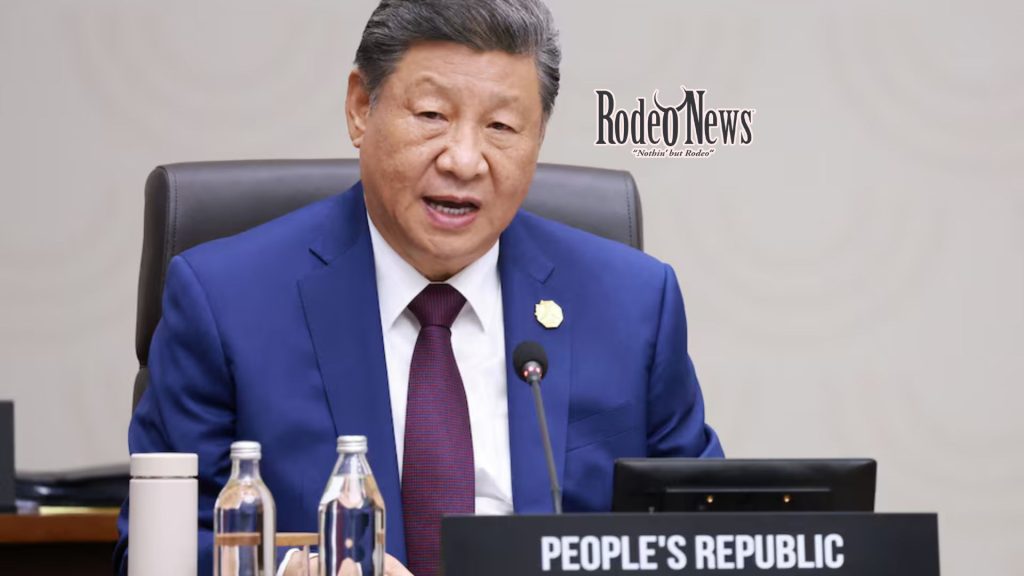
Chinese President Xi Jinping used the platform of the Asia‑Pacific Economic Cooperation (APEC) summit to advance a bold proposal: the establishment of a global body dedicated to governing artificial intelligence. In remarks delivered to fellow APEC leaders in Gyeongju, South Korea, Xi framed the initiative as a means to turn AI into “a public good for the international community.”
A New Multilateral Pitch
Xi outlined the idea of a “World Artificial Intelligence Cooperation Organization” (WAICO) that would set rules and foster cooperation on AI development. He emphasized that AI carried “great significance for future development” and should benefit people in all countries and regions.
Chinese sources suggest the body could be headquartered in Shanghai.
Implications for the U.S.–China Technology Rivalry
The proposal comes amid growing tension between China and the United States over technology, trade and AI leadership. The U.S. has so far rejected binding global regulation of AI via international bodies, preferring its own approaches.
With U.S. President Donald Trump absent from the APEC leaders’ summit (he returned to Washington from his meeting with Xi), Beijing had a more open stage to promote its vision of multilateral economic and tech cooperation.
China’s Broader Economic Agenda at APEC
Beyond AI, Xi called for APEC members to support the free circulation of green technologies — including batteries and solar panels where China already has strong global positioning.
At the summit, APEC endorsed a joint declaration and agreements on AI and the challenges posed by ageing populations.
China will also host the next APEC summit in 2026 in Shenzhen — a symbol of its manufactured-goods and tech rise, having transformed from a fishing village into a major economic centre.
What This Means Going Forward
If implemented, the proposed AI governance body could shift the balance of global tech norm-setting toward China’s vision of governance.
It raises questions about alignment with existing institutions and whether the U.S. and other advanced economies will participate.
The choice of Shanghai as a potential host city underscores China’s intent to make this initiative part of its broader economic diplomacy.
The move signals that AI is becoming a strategic battleground — not just in chips and algorithms, but in shaping the rules themselves.
In sum, Xi’s proposal at APEC marks a clear attempt by China to carve out a leadership role in global AI governance, presenting an alternative to U.S.-driven frameworks and reinforcing Beijing’s broader bid for technological and geopolitical influence