South Korea’s Export Engine Powers On Despite U.S. Tariffs and Holiday Distortions
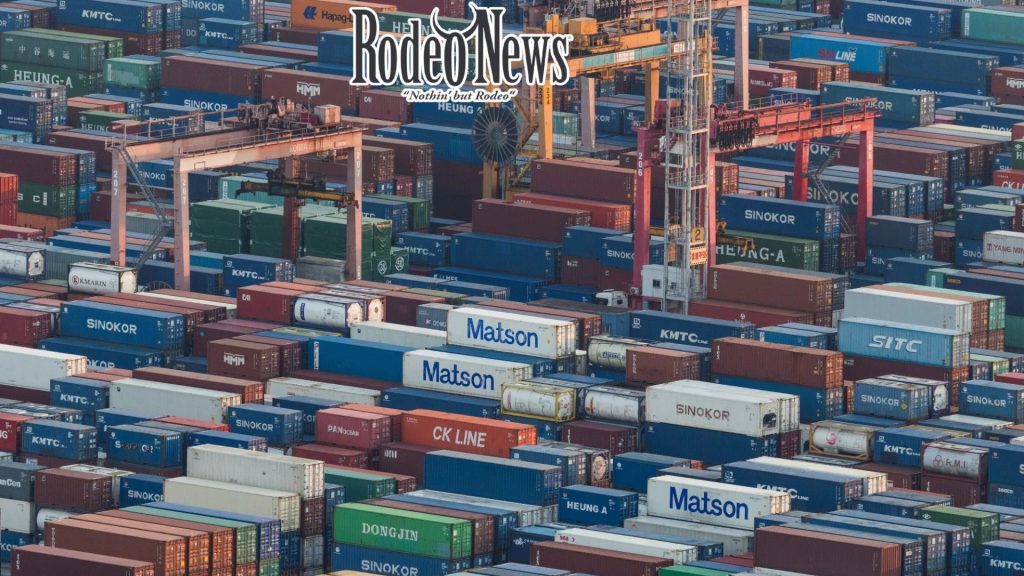
The export story of South Korea is proving to be one of resilience. Even under the weight of higher U.S. tariffs and a disruptive holiday calendar, Seoul’s export machine has powered ahead—largely thanks to booming chip demand and rising sales of eco-friendly vehicles.
Robust growth despite headwinds
In September, South Korea’s total exports climbed to US $65.95 billion, representing a 12.7 % year-on-year increase and setting a new record monthly value.
This surge exceeded analysts’ expectations and proved that the country’s trade-sensitive sectors remain competitive despite global uncertainty.
What’s driving the upturn
Semiconductors: Exports of memory and high-end chips rose strongly—reportedly up by 22 % year-on-year in September and crossing the US$16 billion mark.
These gains reflect accelerating global demand for AI infrastructure and high-performance computing components.
Automobiles and eco-friendly vehicles: Overall vehicle exports climbed, buoyed by hybrids and electric vehicles even as shipments to the U.S. fell amid tariffs.
Market diversification: While U.S.-bound exports slipped, shipments to the EU, ASEAN countries and other regions rose, helping to offset the tariff drag.
Tariff and holiday caveats
Despite the headline strength, several caution flags are visible:
Exports to the U.S. have declined or stagnated under the new tariff regime. For example, shipments to America fell as much as 12 % in August.
Some of the strong monthly gains are distorted by calendar effects. In September, a higher number of working days (24 vs 20 the prior year) boosted totals, while the working-day-adjusted export figure actually dropped approximately 6.1 %.
Key sectors like steel and petrochemicals remain under pressure, with U.S. tariffs at 50 % in some cases and global demand slowing.
Outlook and implications
The export surge gives South Korea a valuable buffer at a time when global trade remains volatile. But such strength may mask underlying vulnerabilities:
If chip demand weakens or calendar advantages fade, export growth could slow.
The U.S. tariff regime remains a clear risk, particularly for vehicles, steel and metals.
The export structure is becoming more dependent on semiconductors—raising questions about the breadth of the recovery. Some analysts call it the “semiconductor illusion”.
For policy makers in Seoul, the data suggest that export‐reliant growth still has legs—but the margin for error is narrowing. Diversifying trade partners, upgrading other sectors, and mitigating tariff exposure may become increasingly urgent