Zelenskyy Rejects U.S. Peace Proposal Over Russian Sovereignty Claims
GENEVA – Ukrainian President Volodymyr Zelenskyy has sharply criticized a proposed U.S. peace deal, calling the suggestion that Russia’s sovereignty over occupied Ukrainian territory be legally recognized the “main problem” in ending the ongoing conflict. The critique came as high-level talks between Ukrainian and American officials continued this week, with both sides hoping for a breakthrough in the nearly four-year war that has devastated Ukraine.
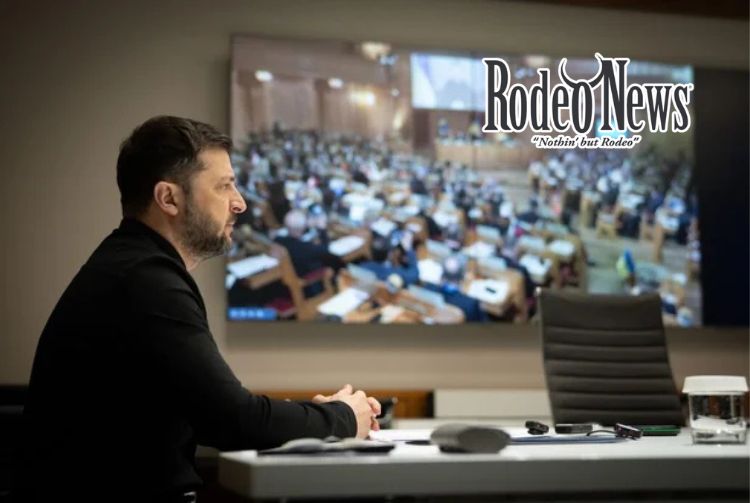
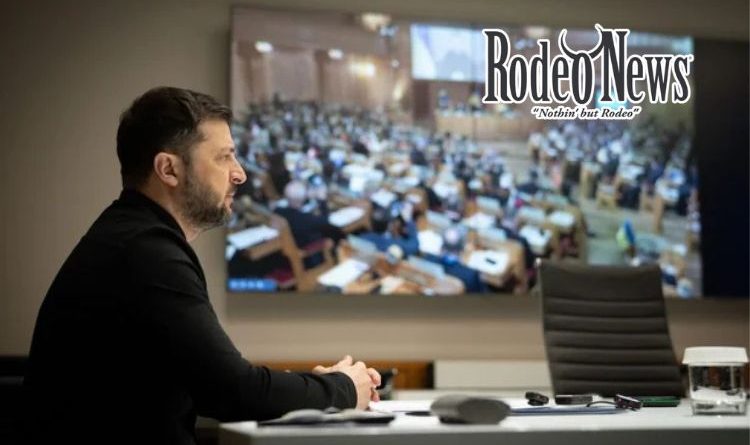
Zelenskyy’s comments, made in a speech to Sweden’s parliament on Monday, reflect deep concerns over the proposal’s potential to legitimize Russia’s territorial gains, despite widespread international condemnation of Moscow’s invasion. The U.S. peace framework, which was drafted during recent talks in Switzerland, is designed to bring an end to the conflict but has raised alarms in Kyiv and among its allies over its perceived concessions to Russia.
“We cannot allow Putin to be rewarded for his aggression,” Zelenskyy said. “Legal recognition of stolen land is a direct attack on the principle of territorial integrity, which has been the foundation of international law since the end of World War II.”
U.S. and Ukrainian Officials Engage in Intense Talks
The peace proposal, which was first revealed last week, was the focus of intense diplomatic discussions over the weekend in Geneva. U.S. Secretary of State Marco Rubio, who attended the talks, described them as “productive” but acknowledged that significant challenges remain.
“Very meaningful progress was made,” Rubio said, adding that negotiators would continue to refine the proposal in the coming days. Despite optimism from U.S. officials, Ukrainian representatives have expressed reservations about certain aspects of the plan, particularly its reference to recognizing Russia’s control over parts of eastern Ukraine.
“There are major issues left to resolve,” said Finland’s President Alexander Stubb, who has been closely following the negotiations. “The road ahead will be difficult, but we are hopeful that a solution can be reached.”
Trump Pushes for Swift Resolution
U.S. President Donald Trump has set a flexible deadline for reaching a peace agreement, hoping to secure a deal by Thanksgiving. While Trump has emphasized that the proposal presented last week is not final, he has made it clear that he wants to end the conflict swiftly. Sources close to the White House suggest that Trump is considering a possible visit by Zelenskyy to the U.S. this week as part of efforts to finalize the deal.
However, the Ukrainian leader’s firm stance on Russia’s occupation of Ukrainian territory could complicate efforts to strike an agreement. Zelenskyy’s government has consistently refused to concede any territorial claims made by Russia, which has controlled parts of Ukraine’s Donbas region since 2014.
The Main Sticking Point: Territorial Integrity
At the heart of the dispute is the U.S. proposal’s call for Ukraine and the international community to accept that some of the territory seized by Russian forces may be legally recognized as no longer part of Ukraine. Zelenskyy, speaking before the Swedish parliament, firmly rejected this idea, calling it a “dangerous precedent” that could embolden future aggressors.
“The world must stand firm on the principles of territorial integrity,” Zelenskyy stated. “Allowing Putin to keep what he has stolen would undermine the international order and embolden other authoritarian regimes.”
Russia’s Response: Cautious Optimism
In Moscow, Kremlin spokesman Dmitry Peskov confirmed that Russian officials have been monitoring the ongoing talks but have yet to receive any official updates on the revised U.S. peace proposal. President Vladimir Putin, while acknowledging that the U.S. plan could serve as a basis for negotiation, has warned that if Ukraine rejects the framework, Russian forces will continue their military operations.
“The U.S. and Ukraine are still negotiating,” Peskov said, adding that Moscow is open to dialogue but has yet to see the final terms of the peace plan.
While the U.S. proposal has been hailed by some as a way to bring the war to a close, it has also sparked concern among Europe’s leaders. Ukrainian Ambassador to the U.S., Olga Stefanishyna, expressed skepticism, arguing that the plan prioritizes a swift resolution over justice for Ukraine.
“This proposal is not about justice,” Stefanishyna said. “It’s about ending the war at any cost, even if that means conceding territory.”
Conclusion: A Long Road Ahead
As discussions continue, the future of the U.S. peace proposal remains uncertain. Both sides have expressed a willingness to negotiate, but significant differences remain over the fundamental issue of territorial integrity. While Zelenskyy has made it clear that Ukraine will not accept any agreement that legitimizes Russia’s occupation, U.S. officials remain hopeful that a compromise can be reached.
The coming days will be crucial as negotiators work to resolve the remaining issues and potentially pave the way for a historic peace deal. But with the stakes higher than ever, it’s clear that any agreement will require significant concessions from both sides.