Saudi Arabia Vows Retaliation After Deadly Riyadh Airport Strike
Saudi Arabia has vowed a decisive response against Yemen’s Houthi rebels following a deadly attack on Riyadh’s King Khalid International Airport that killed at least 12 people and injured more than 300, marking a dangerous escalation in the widening Middle East conflict.
The Saudi-led coalition fighting the Houthis condemned Saturday’s attack, describing the strike on the civilian airport as a serious violation of international humanitarian law. The incident has intensified concerns about regional security, the safety of international air travel and the possibility of deeper American military involvement.
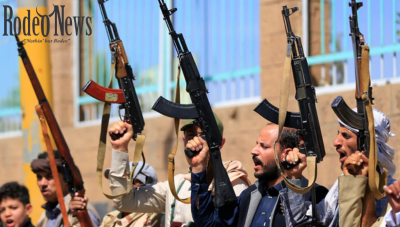
The Houthis, an Iran-backed armed movement based in Yemen, claimed responsibility for the attacks and subsequently warned airlines, airport employees and travelers to avoid Saudi airports, declaring that the facilities could become targets in the expanding confrontation.
Deadly Strike Hits Saudi Arabia’s Main Airport
The attack on Saturday, October 10, struck King Khalid International Airport in Riyadh, one of Saudi Arabia’s major aviation hubs. Saudi authorities reported that at least 12 people were killed and more than 300 injured.
The victims included Saudi citizens and foreign nationals from several countries, highlighting the international impact of the attack. Passengers and airport employees were among those affected, while images broadcast by Saudi state media showed injured people receiving medical treatment for burns and other serious wounds.
The scale of the casualties made the incident one of the deadliest attacks on Saudi territory in more than a decade.
Saudi coalition spokesperson Maj. Gen. Turki al-Maliki condemned the strike as a war crime and said the coalition would respond firmly. Officials have not provided a complete account of what the retaliation would involve, leaving uncertainty over the next stage of the conflict.
The airport attack also exposed the vulnerability of civilian infrastructure as fighting linked to the broader regional war increasingly threatens transportation networks and essential facilities.
Further Attacks Raise Security Concerns
The danger continued on Sunday, when Saudi aviation authorities reported another attack involving King Khalid International Airport. A projectile struck a terminal and started a fire, while air defenses intercepted a cruise missile near the airport, according to coalition statements and aviation officials.
The latest incident caused additional casualties, with authorities reporting one person killed and 11 injured in the Sunday attack. Officials were still assessing the damage and checking the safety of airport facilities.
Saudi authorities also confirmed a separate attack involving another major airport on the country’s eastern coast.
The Houthis said they had carried out several operations involving ballistic missiles, cruise missiles and drones. Their stated targets included Riyadh’s airport, Dammam’s airport and facilities associated with Saudi oil company Aramco.
These developments have heightened concerns that the conflict could spread beyond military installations to airports, energy infrastructure and other sites essential to civilian life and the global economy.
Saudi Arabia extended the closure of its main international airport as authorities assessed the security situation. Foreign diplomatic missions also advised their citizens to avoid affected airports, while the U.S. Embassy introduced restrictions requiring employees to obtain special permission before traveling through Riyadh’s airport.
Houthis Warn Airlines and Travelers
Following the strikes, the Houthis issued warnings to airlines, airport workers and passengers, saying Saudi airports and airspace could face further attacks.
The threats pose a significant challenge to regional aviation at a time when conflict across the Middle East has already disrupted travel and increased security concerns for international carriers.
Airports serve as critical connections for passengers, businesses and diplomatic delegations. Sustained disruption could affect tourism, commercial activity and the movement of people throughout the region.
The attacks have also raised questions about how Saudi Arabia will protect its civilian infrastructure while pursuing military operations against the Houthis in Yemen.
Any retaliation that expands the fighting could trigger additional strikes and increase the risk to civilians on both sides.
Trump Weighs Possible U.S. Military Involvement
The crisis has placed renewed pressure on Washington to clarify its role in supporting Saudi Arabia.
President Donald Trump said the United States was considering whether to join Saudi military strikes against the Houthis. He indicated that a decision had not yet been finalized and said he planned to speak with Saudi Crown Prince Mohammed bin Salman.
The United States has provided intelligence support to Saudi Arabia, according to officials and analysts, but it has stopped short of directly participating in the latest campaign against the rebels.
A decision to join offensive operations could widen the conflict further, particularly given the Houthis’ links to Iran and their capacity to threaten shipping routes and regional infrastructure.
The Bab al-Mandab Strait, a strategically important maritime passage connecting the Red Sea with the Gulf of Aden, is a particular concern. Renewed Houthi attacks against commercial vessels could disrupt international shipping and increase pressure on global supply chains.
For Washington, the challenge is to support regional partners while assessing the military, diplomatic and economic consequences of deeper involvement.
Regional Conflict Faces Another Dangerous Turning Point
The latest attacks come amid intensifying hostilities between the Houthis and forces aligned with Yemen’s internationally recognized government, which receives Saudi support. The confrontation has developed alongside the wider conflict involving Iran and the United States.
Saudi Arabia intervened in Yemen’s civil war in 2015 after the Houthis seized the capital, Sanaa, and displaced the internationally recognized government. Years of fighting produced a devastating humanitarian crisis before a United Nations-backed truce reduced major hostilities in 2022.
Recent military advances and renewed cross-border attacks have weakened that period of relative calm.
The airport strike now presents Saudi leaders with difficult decisions about retaliation, civilian protection and the risk of a broader regional confrontation.
Although Riyadh has promised a decisive response, the precise scale and timing of its next military moves remain uncertain. Meanwhile, continued attacks on airports and energy facilities could have consequences far beyond Saudi Arabia and Yemen.
For travelers, regional governments and international markets, the immediate priority is whether security measures can prevent further casualties. The coming days may determine whether the latest escalation remains limited or develops into a wider and more dangerous phase of the Middle East conflict.