Russia Brexit Interference: 5 Key Facts Revealed
The issue of Russia Brexit interference has returned to the centre of British political debate after Prime Minister Andy Burnham said he had received a clear confirmation that Moscow interfered in the United Kingdom’s 2016 referendum on membership of the European Union. His remarks have renewed questions about foreign influence, the security of democratic institutions and how governments communicate intelligence findings to the public.
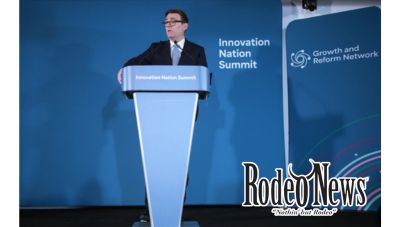
In excerpts from an interview with The Rest Is Politics podcast released on Sunday, October 11, 2026, Burnham said he asked advisers about possible Russian involvement when he became prime minister in July. According to the Associated Press, he said the answer he received was unequivocal: Russia had interfered.
Burnham argued that the issue needed to be placed clearly on the public record, particularly as European countries confront concerns about foreign influence in their political systems. He also pointed to discussions with German Chancellor Friedrich Merz about Russia’s alleged connections to political developments in Germany.
The comments represent a significant public statement by a British prime minister about Russian interference in the Brexit referendum. However, they also raise questions about the nature of the alleged activity, the evidence behind the government’s assessment and whether any interference demonstrably changed the referendum’s outcome.
The debate comes more than a decade after British voters chose to leave the EU, a decision that reshaped the country’s political direction and its relationship with European partners.
1. Andy Burnham Says Advisers Confirmed Russian Interference
Burnham’s comments followed a question he said he raised after entering Downing Street in July 2026.
According to the Associated Press report, the prime minister asked his advisers whether Russia had interfered in the 2016 referendum. He said he received a clear answer that it had.
Burnham explained that making the assessment public was important because voters elsewhere in Europe also needed to understand the risks associated with foreign interference.
His remarks appear to mark the first time a British prime minister has publicly acknowledged Russian interference in the Brexit referendum, according to the AP report.
The statement is important because it places the government’s assessment directly into the political debate. At the same time, Burnham’s public comments did not provide a detailed account of the specific operations, individuals or online activities behind that assessment.
That distinction matters when examining claims of foreign interference.
Interference can take several forms, including coordinated social media campaigns, the dissemination of misleading information, cyber operations, covert financial support or attempts to amplify divisions within a society. Evidence of one activity does not automatically establish that every other form occurred.
A complete assessment would need to distinguish documented actions from intelligence judgments and explain the extent to which those activities may have affected public debate.
Burnham’s statement therefore raises the profile of the issue while leaving important questions about the evidence and its implications open.
2. What Happened During the 2016 Brexit Referendum?
The United Kingdom held its EU membership referendum on June 23, 2016. Voters were asked whether the country should remain a member of the European Union or leave.
The result was 51.9% for Leave and 48.1% for Remain, according to the official referendum result. The outcome set the country on a path toward withdrawal from the bloc.
The campaign was marked by intense arguments over immigration, national sovereignty, trade, economic prospects and the UK’s future relationship with Europe.
The referendum also became a focus of international attention because its result had implications beyond Britain. The UK’s departure affected the EU’s political composition, its economic relationships and discussions about the future of European cooperation.
Concerns about possible Russian interference emerged as governments and researchers examined how foreign actors might exploit political disagreements through online platforms and state-linked media.
The UK’s Intelligence and Security Committee published a report in 2020 examining Russian activity and the government’s handling of the issue. It criticised the government for failing to fully assess the potential impact of Russian state-run media and online accounts commonly described as trolls on the referendum.
The committee’s findings form part of the historical context for Burnham’s latest statement.
However, evidence that foreign actors attempted to influence public discussion is different from proving that those efforts determined how people voted. Establishing the scale of an operation, its intended purpose and its measurable effect requires separate analysis.
The referendum result remains an established democratic outcome, while questions about foreign activity surrounding the campaign continue to attract political and security scrutiny.
3. Why Russia Brexit Interference Matters Today
The renewed discussion extends beyond the historical referendum.
Burnham said it was important to put the assessment on the record because other European countries face similar concerns about attempts to influence their political systems. He specifically referred to Germany and France.
His comments reflect a broader security debate about how governments should respond when foreign actors are suspected of exploiting social divisions, spreading misleading information or undermining confidence in democratic institutions.
Such activity can be difficult to identify and counter.
Unlike conventional military operations, information campaigns may rely on networks of accounts, anonymous websites, fabricated stories or the selective amplification of existing political arguments. Some content may be misleading without being directly controlled by a foreign government, making attribution particularly challenging.
Social media can increase the speed at which such material spreads. Content that provokes anger or reinforces existing beliefs may receive attention even when its origins or accuracy are unclear.
Governments must therefore balance transparency with the need to protect sensitive intelligence sources and methods.
Public disclosure can help citizens understand potential risks and encourage scrutiny of foreign influence. However, allegations should be supported by credible evidence, and officials should distinguish confirmed findings from assessments that cannot be fully disclosed.
Burnham’s statement has renewed attention to these issues, but the effectiveness of any response will depend on more than public declarations. It will also require cooperation between intelligence agencies, election authorities, technology companies and democratic institutions.
4. Burnham Raises Concerns About Russia and Germany’s AfD
Burnham also discussed his recent meeting with German Chancellor Friedrich Merz in Berlin.
According to the Associated Press, Burnham said the two leaders discussed possible connections between Russia and Germany’s Alternative for Germany party, commonly known as AfD.
Burnham attributed comments about the party’s alleged links and funding to his conversation with Merz. He also said Russian-origin misinformation and disinformation were entering German political debate.
These statements concern a separate political context from the 2016 British referendum. Claims about relationships between a political party and a foreign government require their own evidence and should not be treated as established merely because a leader has raised them.
AfD is a German political party that has gained support amid debates over immigration, national identity, the economy and the country’s relationship with the EU. Its political position and connections have been the subject of scrutiny and controversy within Germany.
For European governments, the broader concern is whether foreign states are attempting to influence political competition or weaken public trust in democratic processes.
That concern does not remove the need to distinguish legitimate political participation from covert foreign activity. Parties and voters may hold views that align with another country’s interests without necessarily acting on that country’s instructions.
Establishing direct financial relationships, coordinated influence operations or other forms of interference requires specific evidence.
Burnham’s remarks indicate that these questions featured in his discussions with Merz. They do not, on their own, resolve every allegation concerning Russian activity in German politics.
5. What Did the UK’s Intelligence Committee Find?
A key part of the debate is the 2020 report from Parliament’s Intelligence and Security Committee.
The committee examined Russian activity in the United Kingdom and the government’s approach to investigating possible interference in democratic processes.
Its findings included criticism that the government had not fully assessed the potential impact of Russian state-run media and online troll accounts during the EU referendum.
The report also examined concerns about Russian activity surrounding Scotland’s 2014 independence referendum.
These findings are relevant because they demonstrate that concerns about foreign influence predate Burnham’s latest statement. They also highlight questions about how authorities identify, investigate and communicate possible interference.
However, the report’s criticism of the government’s assessment process should not be interpreted as proof that Russia controlled the referendum or determined its outcome.
There are several separate issues involved: whether foreign actors conducted influence activities, whether those activities reached British voters, whether they changed public attitudes and whether any changes affected the final result.
Each question requires a different standard of evidence.
A foreign campaign may seek to influence an election without succeeding. It may also amplify existing divisions without changing the underlying preferences of most voters.
Conversely, the absence of proof that an operation changed the result does not establish that no interference occurred.
This distinction is important for a balanced understanding of the Brexit debate.
The committee’s report provides a documented basis for discussing the government’s handling of the issue, while Burnham’s comments offer a new public account of the advice he says he received after taking office.
Russia’s Response and the Question of Evidence
Russia has long denied meddling in the elections and referendums of other countries.
That denial contrasts with the concerns expressed by British officials and the findings of parliamentary scrutiny into Russia-related activity. The competing positions underline the importance of examining evidence rather than relying exclusively on political statements.
A detailed public account of the alleged interference could clarify which activities British authorities identified, what evidence supports the assessment and whether the government believes those activities had any measurable effect on the referendum.
Some information may remain classified to protect intelligence sources. Nevertheless, governments can often explain the general nature of a threat without revealing sensitive operational details.
Clear communication is particularly important when allegations involve a major national vote. Citizens need to understand the difference between attempts to influence an election and proof that the result was manipulated.
The issue also has implications for public trust. If officials make serious claims without explaining their evidential basis, political debate may become more polarised. If credible findings are withheld indefinitely, citizens may have limited information about threats to their democratic institutions.
Finding an appropriate balance between security and transparency remains a central challenge for democratic governments.
What This Means for Britain’s Relationship With Europe
Burnham’s comments also arrive amid continuing debate about Britain’s future relationship with the European Union.
The prime minister has called for greater political consensus on the country’s relationship with Brussels and has left open the possibility of a future commitment to rejoin the bloc, according to reporting by ITV News and Deutsche Welle.
His argument about foreign interference connects the Brexit debate to wider questions about European cooperation.
Governments across Europe face shared challenges involving cybersecurity, online misinformation, political influence operations and the protection of democratic institutions. Cooperation can help authorities exchange information and develop common approaches to these risks.
However, the debate over Russian interference should remain separate from the political question of whether Britain should rejoin the EU.
Evidence about foreign influence can inform discussions about national security and election integrity. It does not, by itself, settle the economic, political or constitutional arguments surrounding EU membership.
Voters and policymakers may consider the security implications alongside other factors, including trade, immigration, sovereignty and international cooperation.
Maintaining that distinction allows the historical record to be examined without treating one security assessment as a complete answer to a much broader political debate.
What Happens Next?
The publication of the full The Rest Is Politics podcast is expected to provide more context for Burnham’s comments. Further government statements may also clarify the advice he received and the basis for the assessment.
Attention is likely to focus on three areas.
First, whether the government provides additional information about the nature of the alleged Russian interference in 2016.
Second, how British intelligence agencies assess current threats to elections and democratic institutions, including the use of online platforms and artificial intelligence to spread misleading content.
Third, whether Britain and its European partners expand cooperation to identify and respond to suspected foreign influence operations.
Any new evidence will need to be assessed carefully. Claims about funding, coordination or covert state involvement should be supported by credible documentation or clearly attributed intelligence assessments.
The historical question of whether interference occurred must also be kept separate from the question of whether it changed the referendum’s result.
Those distinctions will remain important as the government communicates its position and Parliament continues to scrutinise national security policy.
Conclusion
Andy Burnham’s statement has brought Russia Brexit interference back into Britain’s political debate, placing fresh attention on the 2016 referendum and the wider threat of foreign influence.
The prime minister said advisers confirmed Russian interference when he asked about the referendum after taking office. His remarks also connected the issue to concerns about political influence and disinformation in Germany and France.
The 2020 parliamentary intelligence report provides important context, particularly its criticism of the government’s failure to fully assess the potential impact of Russian state-run media and online accounts.
However, the existence of alleged interference does not automatically establish that it determined the referendum result. Understanding the issue requires careful consideration of the evidence, the methods used and any demonstrable effects.
As European governments confront evolving information threats, transparency, independent scrutiny and clear distinctions between evidence and allegation will remain essential to protecting public confidence in democratic processes.