EU Backs Ukraine as Zelenskyy Seeks €70 Billion in Aid
BRUSSELS, October 16, 2026 — EU support for Ukraine remained a central issue at a high-stakes European summit as Ukrainian President Volodymyr Zelenskyy called for additional financial and military assistance amid continued Russian attacks and growing tensions with US President Donald Trump.
European leaders reaffirmed their commitment to helping Kyiv defend itself against Russia’s invasion. However, uncertainty over Washington’s position, disagreements about Russian diesel exports and Ukraine’s growing financial needs have placed additional pressure on European governments.
The summit brought together EU leaders to discuss Ukraine’s security, future funding, energy challenges, migration and the bloc’s wider foreign policy priorities.
EU Support for Ukraine Remains a Priority
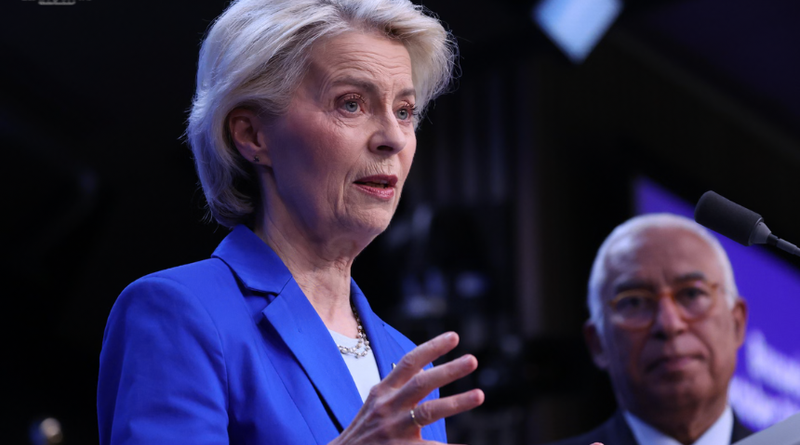
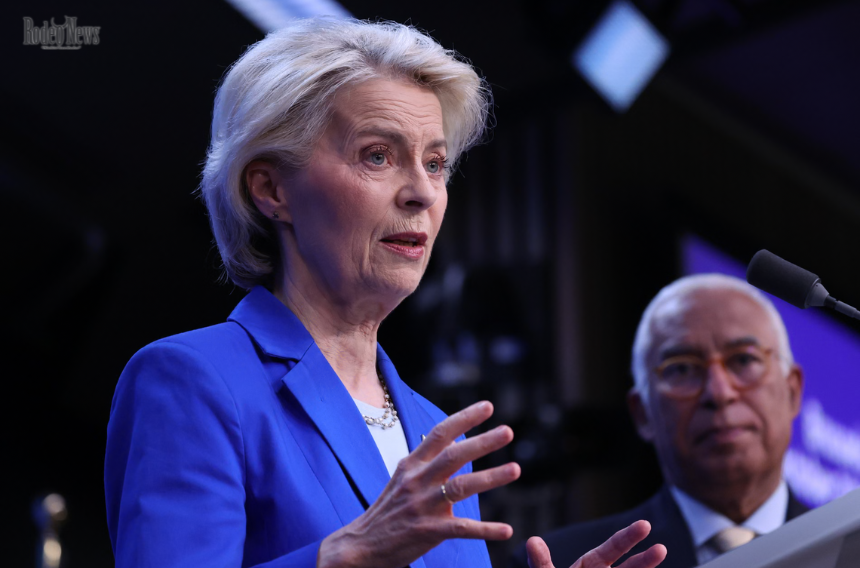
European Commission President Ursula von der Leyen stressed that European assistance was becoming increasingly important as the war continued.
She said the European Union and its member states accounted for approximately 80% of Ukraine’s external assistance, while warning that Kyiv’s financial requirements would continue to rise without a lasting peace agreement.
Von der Leyen also made clear that the EU would not remove its sanctions against Russia unless Moscow ended the war.
Her comments reinforced Brussels’ position that sustained economic pressure on Russia remains an important part of efforts to support Ukraine and encourage a peaceful resolution.
European Council President António Costa delivered a similar message, describing Ukraine as a central priority for the bloc. He called for greater pressure on Russia rather than a reduction in international measures against Moscow.
Nevertheless, European leaders still face the challenge of translating political support into sufficient funding, military equipment and long-term security commitments.
Zelenskyy Requests €70 Billion in Additional Funding
During the summit, Zelenskyy asked European leaders to provide an additional €70 billion in financial and military assistance for 2027.
The request reflects Ukraine’s growing costs as it continues defending its territory, protecting critical infrastructure and responding to Russian attacks.
Von der Leyen acknowledged that Ukraine faced a funding gap of approximately €70 billion for the coming year. She said the EU would examine ways to address the shortfall, although the precise arrangements remained unresolved.
German Chancellor Friedrich Merz also expressed broad support for continuing assistance throughout the coming winter. However, he acknowledged that EU governments still had differences over funding and the bloc’s broader budget.
For Ukraine, securing the necessary resources is especially urgent as Russian attacks threaten energy infrastructure and increase pressure on the country’s air defences.
European governments must now consider how to sustain assistance while balancing domestic spending priorities and other economic challenges.
Trump’s Russia Diesel Deal Deepens Tensions
Relations between Washington and Kyiv have become increasingly strained following Trump’s agreement to facilitate Russian diesel exports.
The US president has argued that additional fuel supplies could help ease pressure on energy prices. However, the arrangement has drawn criticism from Ukrainian officials and several European leaders, who fear that easing restrictions could provide Moscow with additional revenue while its war against Ukraine continues.
Trump has also criticised Ukraine’s attacks on Russian oil refineries, describing the strikes as damaging to efforts to lower fuel prices.
Zelenskyy, meanwhile, has defended Ukraine’s right to protect itself against Russian aggression. Kyiv has also expressed concern that economic concessions to Moscow could weaken the broader sanctions strategy.
French President Emmanuel Macron criticised the diesel arrangement after the summit, arguing that it risked sending a negative signal and creating divisions among Western allies.
The disagreement highlights a growing challenge for European governments: maintaining a coordinated response to Russia while Washington pursues its own energy and diplomatic priorities.
Winter Security and Military Assistance
Ukraine’s preparations for winter featured prominently in discussions, with continued Russian attacks raising concerns about electricity supplies, heating and civilian safety.
European officials warned that the coming months could be particularly difficult if attacks on power plants and other critical infrastructure continue.
Military assistance remains another pressing concern. Ukraine needs air defence equipment and interceptor missiles to protect its cities and infrastructure from incoming attacks.
Zelenskyy also said that Starlink satellite services had returned but that performance had not been fully restored to previous levels. The technology is important for Ukrainian military communications, making any disruption a serious operational concern.
Ukraine is exploring alternatives with European partners, although establishing an independent replacement for existing satellite capabilities will take time.
For EU governments, these developments underline the need to strengthen Europe’s defence capacity while maintaining immediate support for Kyiv.
Migration and the EU’s Wider Agenda
Although Ukraine dominated much of the summit, migration and economic policy also featured in discussions.
Von der Leyen said irregular border crossings had declined substantially over the previous two years, while stressing that further work remained necessary. EU leaders discussed measures to address irregular migration and improve cooperation among member states.
The summit also exposed continuing differences over the bloc’s long-term budget.
Costa said negotiations needed to advance before the end of the year, while von der Leyen argued that the EU required sufficient flexibility to respond to future crises.
Energy prices and trade policy were additional concerns. European leaders discussed the risks associated with dependence on imported fossil fuels and the importance of developing more affordable domestic energy sources.
These issues demonstrate the competing demands facing the EU as it seeks to strengthen security, maintain economic competitiveness and respond to international instability.
What Happens Next?
The Brussels summit demonstrated that European leaders remain committed to supporting Ukraine, but important questions about funding and long-term strategy remain unanswered.
Zelenskyy’s request for €70 billion in additional assistance will require further discussions, while EU governments must determine how to maintain military and financial support during another difficult winter.
The dispute over Russian diesel exports also illustrates the growing divide between Washington and several European capitals over how best to pressure Moscow.
For Ukraine, continued European assistance could prove crucial as it confronts military threats, economic uncertainty and infrastructure damage.
Ultimately, the challenge for European leaders will be to turn their declarations of solidarity into practical measures that help Ukraine defend itself and create conditions for a durable peace.