Are US-Israeli Strikes on Iran Just Cutting Off the Hydra’s Head?
On February 28, 2026, the United States and Israel launched what military strategists describe as a classic “decapitation strike” against Iran — a coordinated attempt to eliminate the leadership at the apex of the Islamic Republic.
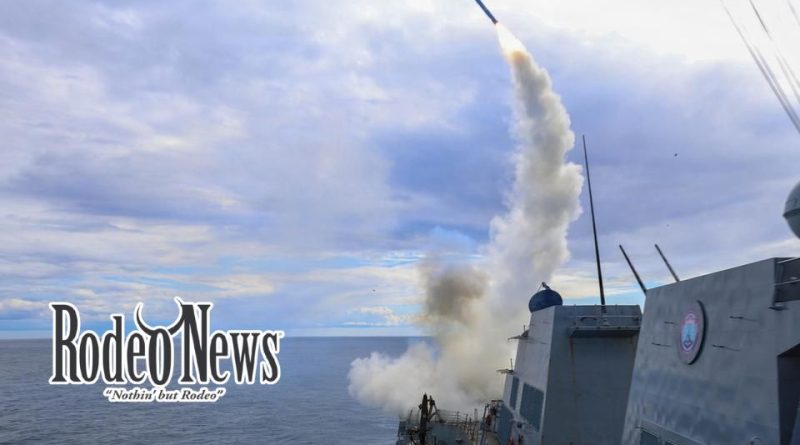
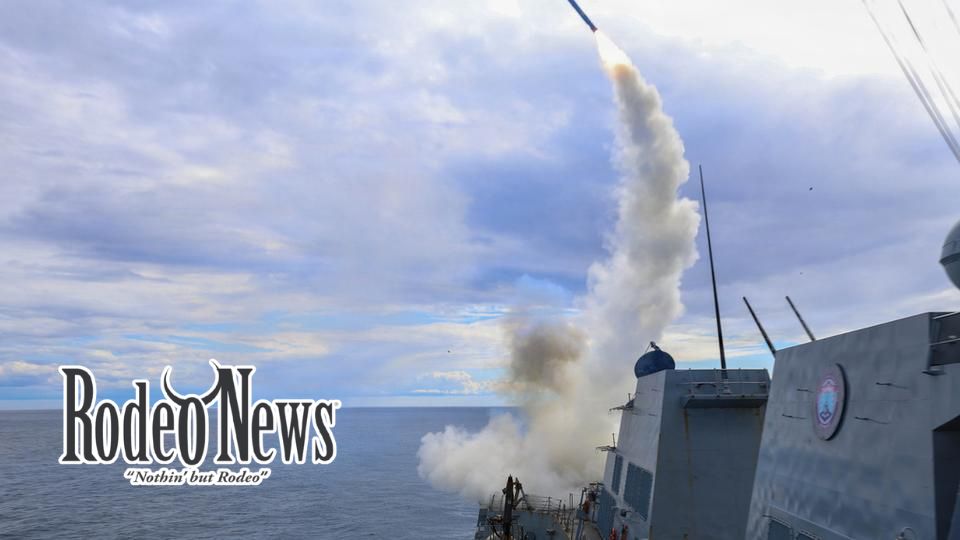
Cruise missiles and stealth aircraft targeted the compound of Supreme Leader Ali Khamenei, killing him alongside senior officials and key commanders. Presidential offices and command nodes of the Islamic Revolutionary Guard Corps (IRGC) were struck across multiple cities. Air defence systems, missile depots and select nuclear-related facilities were also hit in a wave of precision attacks.
In Washington, President Donald Trump framed the operation as both retribution and opportunity — revenge for American casualties in prior confrontations, and what he described as a “once-in-a-generation” chance for Iranians to reclaim their future. He warned Revolutionary Guard commanders to surrender or face “certain death,” appealing directly to the Iranian military and public.
The premise was straightforward: remove the head, and the body collapses.
Yet by nightfall, the Islamic Republic remained standing.
Shock and Defiance
Tehran’s immediate response was defiant. Ali Larijani, head of the Supreme National Security Council, dismissed Washington’s ambitions for regime change as “delusional fantasies” that would only destabilise the region. Negotiations, he said, were off the table.
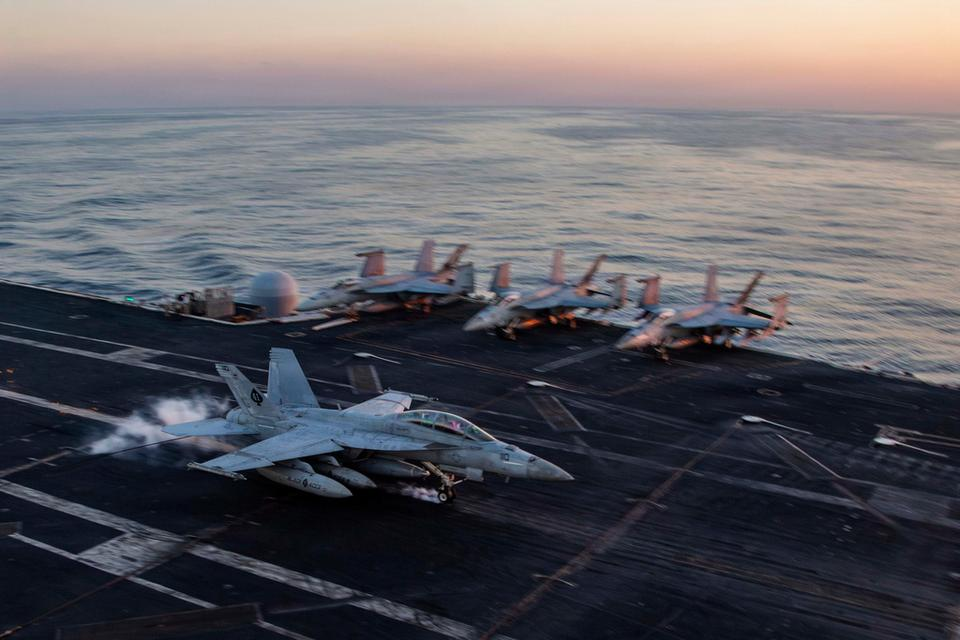
While the scale of destruction was significant, analysts noted critical limitations. According to assessments cited by political scientist Robert Pape, the strikes focused primarily on command-and-control centres, radar installations, ballistic missile bases and drone factories. They did not eliminate Iran’s stockpiles of enriched uranium — including hundreds of kilograms enriched to 60 and 20 percent purity — nor did they dismantle the broader coercive apparatus underpinning state control.
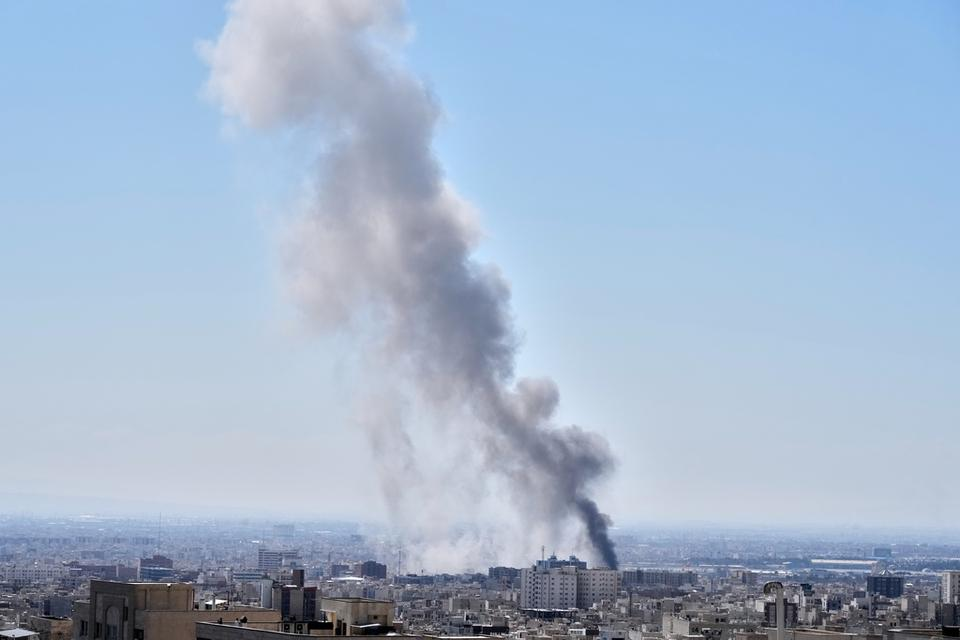
Artillery systems, missile inventories, armoured units and the paramilitary Basij militia remained operational. Security forces continued to suppress dissent in the days following the attack. By the end of the first 24 hours, Iran retained both domestic control and regional strike capacity.
If the goal was systemic paralysis, the results were far more ambiguous.
Built to Survive
The deeper story lies not in the explosions of that February morning but in the architecture of the Islamic Republic itself.
Since 1979, Iran’s political system has evolved into a deeply bureaucratised structure designed precisely to weather leadership shocks. While the Supreme Leader occupies the pinnacle of authority — overseeing religion, military strategy and political direction — his power is embedded within overlapping institutions intended to ensure continuity.
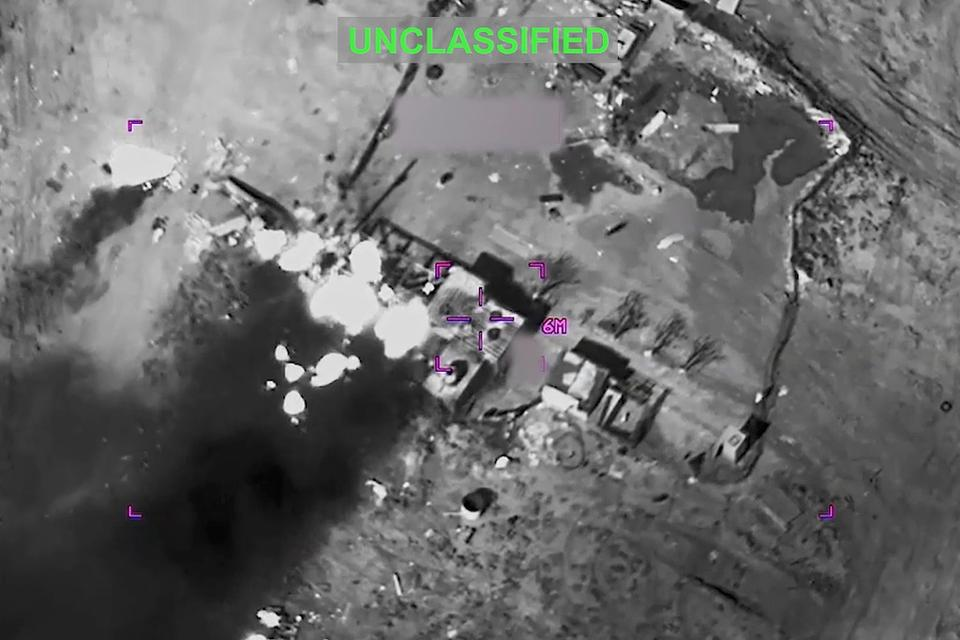
Bodies such as the Guardian Council, the Assembly of Experts and the Expediency Council were created to prevent ideological drift and manage internal deadlock. Authority is diffused, not concentrated solely in one individual.
This logic is codified in Article 111 of Iran’s constitution. In the event of the Supreme Leader’s death or incapacity, an interim council — composed of the president, the judiciary chief and a senior cleric nominated by the Expediency Council — immediately assumes his powers. Crucially, the constitution sets no strict deadline for selecting a permanent successor, prioritising continuity over speed.
Historical precedent reinforces this resilience. Following assassinations in 1981, Iran replaced both its president and prime minister within weeks. In 1989, the political establishment elevated Khamenei to Supreme Leader through institutional consensus rather than clerical seniority. Even the 2024 helicopter crash that killed President Ebrahim Raisi triggered orderly constitutional procedures rather than chaos.
Throughout these transitions, the IRGC has acted as a stabilising force, steering outcomes to preserve the system’s integrity. The principle guiding such manoeuvres has remained constant: safeguarding the Islamic Republic outweighs the fate of any individual.
Far from a brittle personalist dictatorship, Iran resembles what structural theorists describe as a resilient authoritarian system — layered, institutionalised and embedded within patronage networks spanning four decades.
The Limits of Decapitation
Scholarly research casts further doubt on the effectiveness of leadership targeting as a strategy for regime collapse.
Political scientist Jenna Jordan’s comparative study of 298 cases of leadership decapitation across 92 militant organisations found that removing leaders rarely guarantees organisational death. In fact, groups that have not experienced decapitation were statistically more likely to dissolve than those whose leaders were killed or captured.
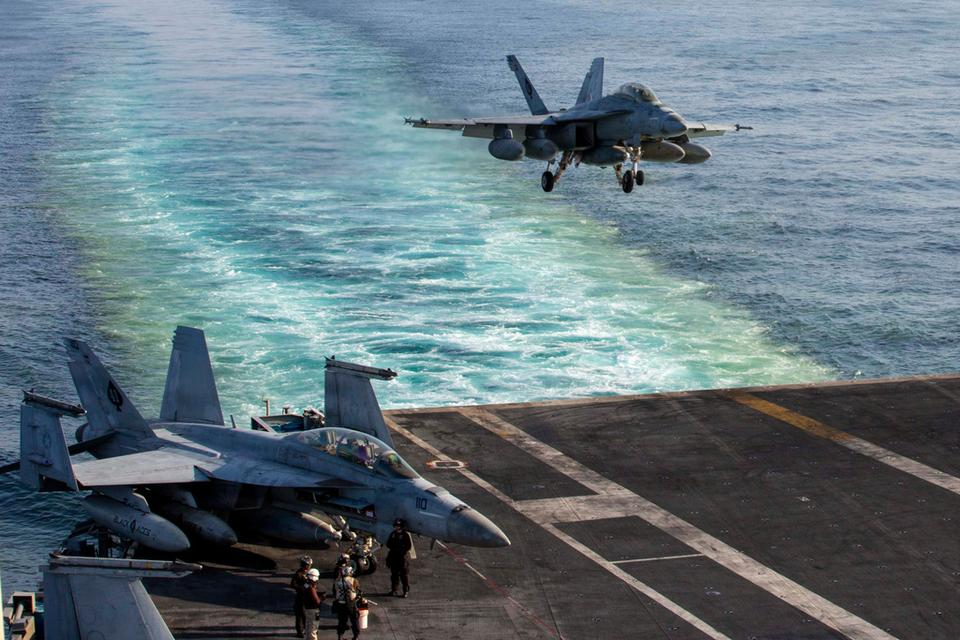
The strongest predictors of resilience were bureaucratisation and communal support. Older, larger organisations with formalised procedures and succession mechanisms proved better able to absorb leadership loss. Religious and separatist movements, particularly those embedded in supportive communities, were especially durable.
Decapitation, in such contexts, may produce disruption — but it can also fuel retaliation and recruitment, especially when strikes are perceived as illegitimate or externally imposed.
A parallel argument comes from scholar Inge Fryklund, who invokes the myth of the Hydra to critique U.S. policy in the Middle East. Time and again, Washington has targeted visible threats — overthrowing leaders or launching surgical strikes — without addressing the structural grievances that generate instability. The 1953 coup against Mohammad Mossadegh, as well as later interventions in Iraq and Libya, illustrate how removing a head can create vacuums filled by civil war, authoritarian retrenchment or extremist resurgence.
In this metaphor, cutting off the Hydra’s head without cauterising the wound simply allows another to grow.
Economic Pressure and Structural Cohesion
The joint U.S.–Israeli campaign sought to go beyond symbolic decapitation. Strikes reportedly targeted naval assets and energy hubs, including facilities in Bandar Abbas and Asaluyeh, aiming to choke off revenue streams that finance both domestic repression and regional operations.
Yet oil exports appear only temporarily disrupted. There has been no confirmed collapse of state revenue. Despite heavy leadership losses, the IRGC continues to coordinate retaliation plans. Basij units remain deployed to deter unrest.
Economic hardship has intensified public frustration in recent years, but deprivation alone does not automatically translate into revolution. No sustained nationwide strike movement has emerged capable of challenging the regime’s grip.
Internal elite cohesion, at least for now, remains intact.
An Unfinished Question
The February 28 strikes delivered a powerful blow. They eliminated senior figures and disrupted command structures. They demonstrated reach and precision.
But they did not neutralise Iran’s nuclear stockpiles. They did not dismantle the security institutions that enforce domestic order. And they did not erase the constitutional mechanisms that enable succession.
Whether a broader, sustained campaign — potentially involving European powers such as France, Germany and the United Kingdom — could significantly degrade Iran’s missile and drone infrastructure remains uncertain. What is clearer is that a single decapitating strike, however dramatic, is unlikely to guarantee regime collapse.
Iran’s political system was built with the memory of dynastic downfall in mind. It is structured not as a single head atop a fragile body, but as a layered organism designed to regenerate authority when challenged.
For policymakers who hoped that removing the Supreme Leader would trigger swift transformation, the early signs suggest a harder truth: cutting off the head may wound the Hydra, but it does not necessarily kill it.