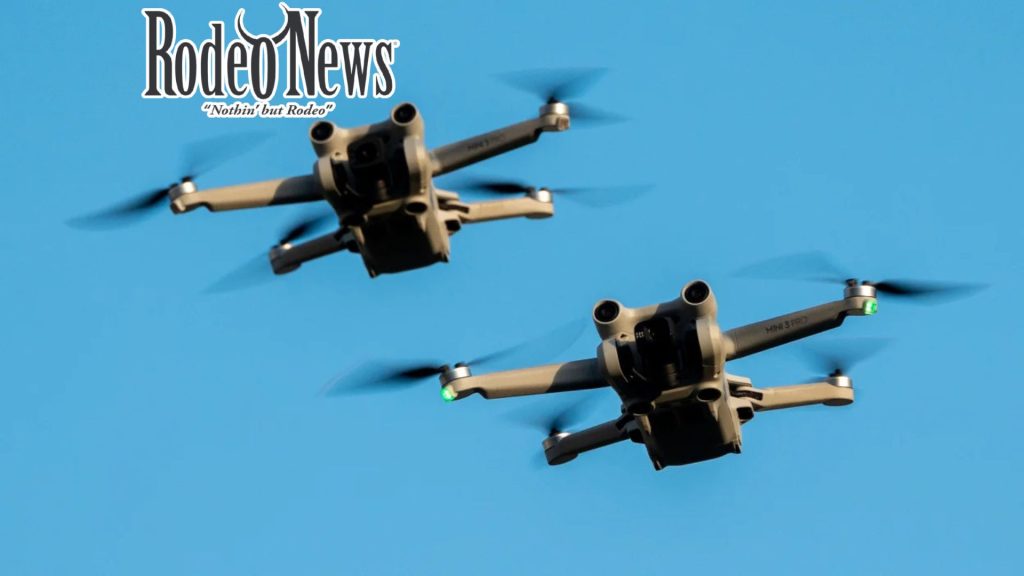
What’s Happening with the DJI Ban — and Why It Matters
The fate of DJI, the world’s largest drone manufacturer, in the United States has reached a critical moment. Under a provision in the FY2025 National Defense Authorization Act (NDAA), the U.S. government required that, by December 23, 2025, a “designated national security agency” complete a security review of Chinese‑made drone equipment — including DJI’s products.
If that audit doesn’t happen, the consequence is automatic: DJI’s gear would be placed on the Federal Communications Commission (FCC) “Covered List,” effectively barring any new DJI devices from being certified for use and imported.
As of now, no agency has taken on that audit — despite repeated requests from DJI.
Why the Ban Was Proposed
The push to limit DJI’s access to the U.S. market isn’t about drone crashes or accidents. Instead, it’s rooted in national security concerns. Lawmakers argue that certain Chinese-made drones could pose “unacceptable risks” to U.S. infrastructure or communications — particularly because drones rely on radio communication, firmware updates, and potentially sensitive data streams.
Critics of the ban see a different motive: competition. DJI dominates the drone market globally (both consumer and commercial). Some U.S. lawmakers and regulators may be aiming to create space for domestic drone manufacturers by restricting Chinese competitors.
From DJI’s side, the company vehemently denies any wrongdoing. In public statements, it calls the ban proposal “baseless” and rooted in fear and xenophobia — not evidence.
DJI also notes that its products have already undergone multiple independent audits, including by U.S. agencies and private firms — with no findings that they transmit data improperly or pose security risks.
What the Ban Would Actually Do (or Not Do)
- ✅ New DJI gear effectively blocked in the U.S. If the audit deadline passes without action, no new DJI drones, cameras, or accessories would receive FCC authorization — meaning they can’t be legally sold, certified, or imported.
- 🛑 No guarantee of firmware updates, support or spare parts. Over time, DJI’s ecosystem could erode: repairs, updates, and official support may disappear or become unreliable.
- ✅ Existing drones likely remain usable — for now. If you already own DJI gear, there’s no guarantee you’ll be forced to stop flying. The ban targets new imports.
- ⚠️ Long‑term uncertainty remains. Even for existing users, the value, reliability, and legal status of DJI products may deteriorate — especially if the FCC starts revoking previously granted certifications.
DJI’s Response — and the Industry Fallout
DJI has publicly welcomed the chance for a transparent security audit. The company insists it has “nothing to hide” and claims its platforms — with features such as Local Data Mode — can operate without ever connecting to the internet or uploading sensitive data.
Still, the lack of action by U.S. authorities has raised alarms. DJI warns that an automatic ban — triggered not by wrongdoing, but by bureaucratic inertia — could “send shockwaves through the economy,” affecting not just hobbyists, but professionals, public safety agencies, and businesses that rely on drones for inspection, agriculture, photography, and more.
Some in the industry fear the disruption could lead to shortages of drone gear, spiking prices, and even a shift in global supply chains — especially if alternative manufacturers fail to match DJI’s scale, price, and performance.
What Happens Next — What to Watch
- 🗓️ December 23, 2025: Key date. That’s when the audit deadline expires. If no agency completes the mandated review, the automatic ban takes effect.
- 📡 FCC regulatory actions could expand restrictions. Recently the FCC granted itself the power to retroactively revoke equipment authorizations — meaning even formerly approved DJI gear could face scrutiny.
- 🔎 Supply, support and resale markets may shift drastically. Prospective buyers, current operators, and industry professionals should consider how firmware updates, spare parts availability, and warranty support may be jeopardized.
- 📣 Watch for official statements, audits, or legal challenges. DJI continues to push for transparency and review. Any developments — from audits opening to injunctions or appeals — could alter the outcome significantly.
Conclusion
What’s unfolding with DJI isn’t just a trade dispute — it could reshape the drone industry, supply chains, and the practical use of drone technology in the U.S. The coming weeks (and especially the December 23 deadline) will be pivotal.
Whether you’re a drone hobbyist, a photographer, or a professional reliant on UAVs, this isn’t just news — it’s a crossroads. As things stand, existing DJI gear may keep working, but the long‑term picture is murky